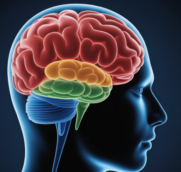
Seniors in structured lifestyle interventions performed at a level comparable to adults 1 to 2 years younger than those using self-guided methods, according to the Alzheimer’s Association U.S. POINTER Study published in 2026 — and that single data point changes everything about how we should think about cognitive training for seniors. Not all brain-focused tools are built equally, and the difference between a casual memory app and a real cognitive training program isn’t just a matter of features: it’s a matter of biological impact.

| Question | Answer |
|---|---|
| What is cognitive training for seniors? | It’s a structured, evidence-based approach to exercising specific brain functions like memory, attention, and processing speed using adaptive protocols, not passive games. |
| Are memory apps effective for seniors? | Most standard memory apps lack the adaptive intensity required to drive structural brain change. They can be useful supplements but rarely replace clinical-grade training. |
| What makes a cognitive training program actually work? | Programs that use real-time difficulty adaptation, target specific brain regions like the hippocampus, and maintain training intensity at the user’s cognitive edge produce measurable results. |
| How long before seniors see results from cognitive training? | Research from 2026 shows improvements in working memory and recall can appear within weeks of consistent structured training, with lasting effects up to 12 months post-program. |
| Is neuroplasticity real in older adults? | Yes. The hippocampus continues to produce new neurons in older adults. Our neuroplasticity framework is built on this biological reality. |
| What role does BDNF play in senior brain health? | BDNF (Brain-Derived Neurotrophic Factor) is the protein responsible for forming new neural connections and protecting against cognitive decline. Targeted training increases its production naturally. |
| Can digital tools support senior cognitive training? | Yes, when those tools are grounded in neuroscience. Programs using adaptive algorithms and gamma stimulation have shown real clinical benefit for older adults in 2026 research. |
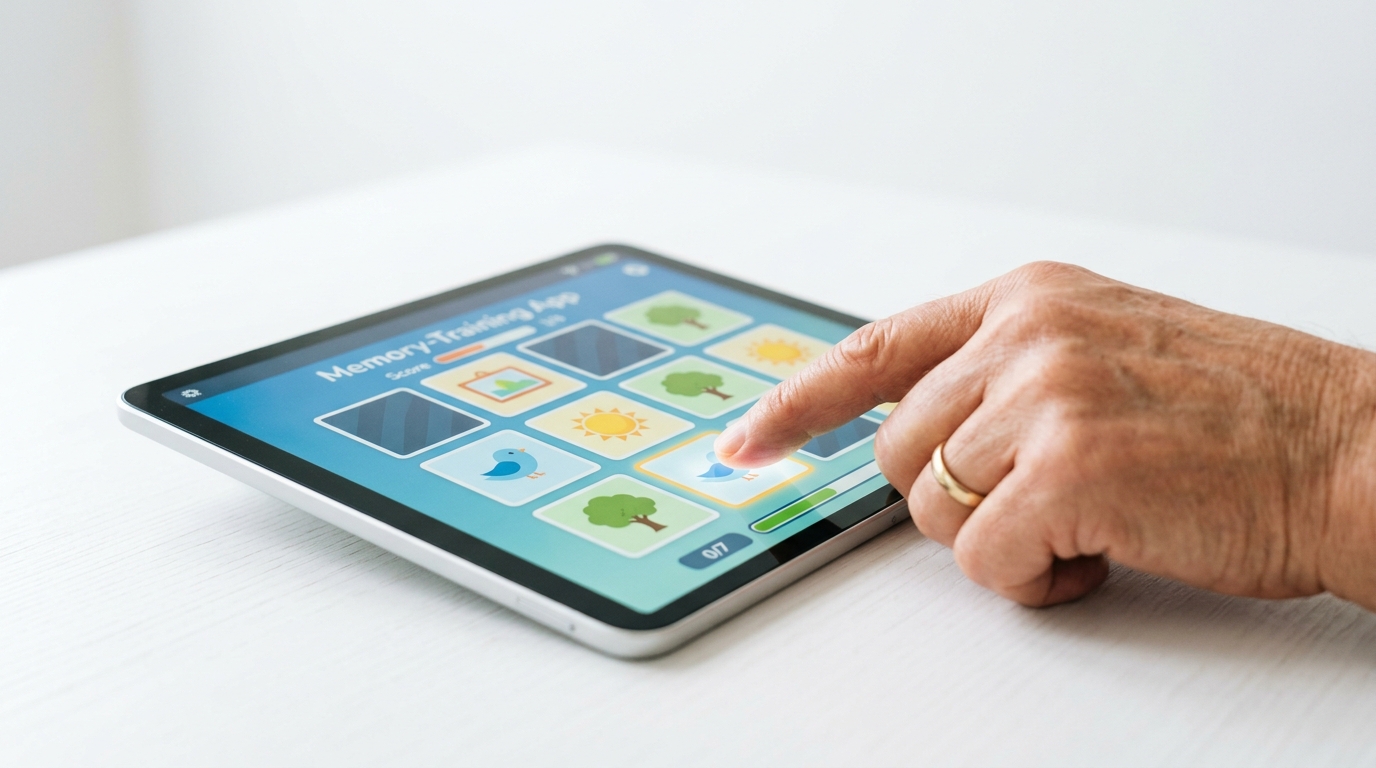
Here’s what most people get wrong: downloading a memory puzzle app and enrolling in a structured cognitive training program for seniors are not interchangeable activities.
Brain games can be entertaining, and they do keep the mind active. But the biological standard for actual cognitive change is much higher than “keeping the mind busy.”
At Neuroplasticity Solutions, we’ve built our entire methodology around one core principle: the brain only rewires itself when it’s pushed to the edge of its current ability. Static difficulty, predictable puzzles, and passive scrolling through trivia don’t meet that threshold.
What does? Adaptive intensity. Real-time adjustment. Targeted neural stimulation that specifically activates the hippocampus and prefrontal cortex, the regions most involved in memory formation and executive function.
Traditional brain games lack the intensity needed to trigger structural change. That distinction matters enormously when your goal isn’t just entertainment, but genuine memory preservation.
Modern science has demolished the old belief that the adult brain is a fixed, declining system. The hippocampus, the region responsible for learning and memory, continues to produce new neurons throughout life, including well into old age.
The process is called neurogenesis, and it doesn’t happen automatically. It requires stimulation: novel challenges, progressive difficulty, and the right neurochemical environment.
This is where the concept of 100% Lifelong Plasticity Potential becomes more than a motivational claim. It’s a biological reality. The brain remains re-wireable at every life stage, and seniors who engage in targeted cognitive training are actively taking advantage of that capacity.
Our methodology specifically targets the hippocampus to trigger the integration of new neurons into existing networks. This isn’t passive maintenance; it’s active cognitive construction.
Did You Know?
AI-adaptive cognitive programs delivered 28% greater improvement in working memory scores compared to static, non-personalized regimens.
Source: Dataintelo / Journal of Cognitive Enhancement (2026)
Let’s break down the real difference between what a standard memory app delivers and what a structured senior cognitive training program provides.
| Feature | Standard Memory App | Structured Cognitive Training |
|---|---|---|
| Difficulty Adaptation | Static or minimally adaptive | Real-time algorithmic adjustment |
| Brain Region Targeting | General stimulation | Hippocampus and prefrontal cortex focus |
| Neurochemical Impact | Minimal documented BDNF effect | Targeted BDNF stimulation protocols |
| Clinical Evidence | Limited peer-reviewed support | Evidence-based with measurable outcomes |
| Long-Term Retention | Low adherence over time | 82.8% adherence over 18 months (COGWEB Study, 2026) |
| Structural Brain Change | Functional improvement only | Both functional and structural plasticity |
The gap isn’t subtle. When you’re serious about cognitive training for seniors, the quality and design of the program determines whether you get genuine results or just feel busy.
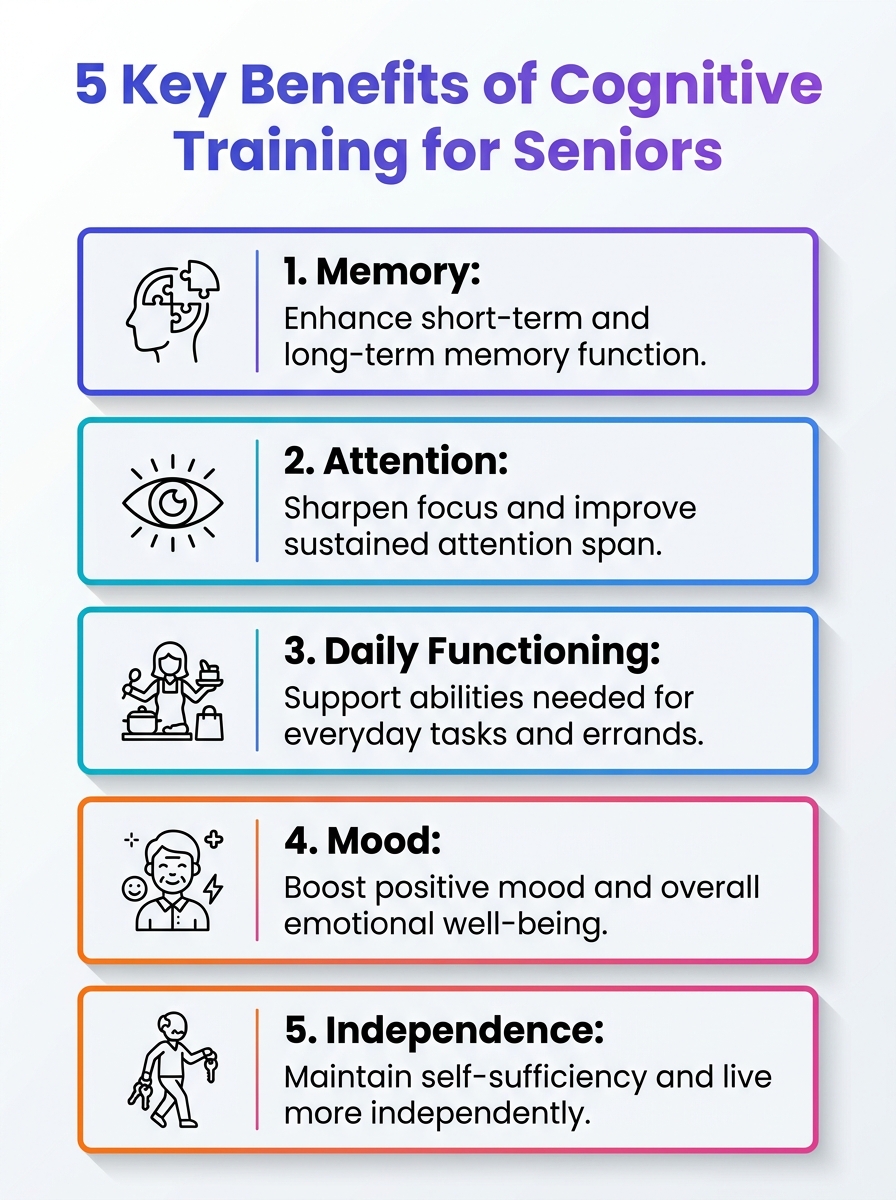
This infographic highlights five key benefits of cognitive training for seniors. Learn how regular mental exercises can support memory, attention, and mental sharpness.
If you want to understand why some cognitive training approaches work and others don’t, you need to understand BDNF: Brain-Derived Neurotrophic Factor.
Scientists often call BDNF the “Miracle-Gro for your brain.” It’s the protein responsible for forming new neural connections, consolidating memories, and protecting the brain against cognitive decline.
The problem is that BDNF levels tend to drop with age, and common modern habits, including digital overload, poor sleep, and chronic stress, suppress it further. You can read more about how digital habits are impacting brain chemistry in our 2026 Digital Neuro-Detox guide.
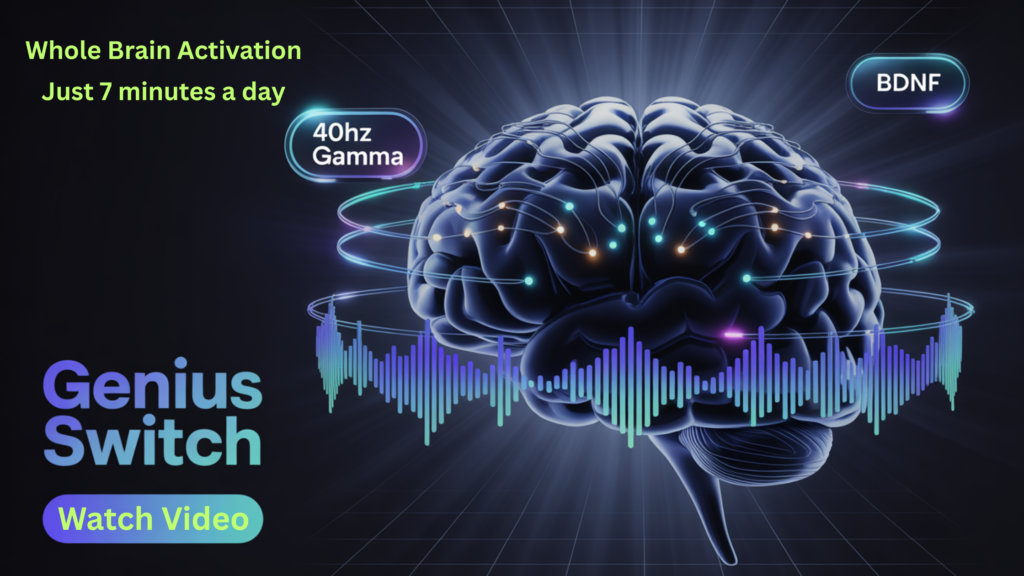
Effective cognitive training programs for seniors are specifically designed to trigger BDNF production. Our Genius Switch BDNF activation program uses precision 40Hz gamma audio stimulation to naturally boost BDNF levels without any pharmacological intervention.
The result is a brain that’s primed for the kind of neural rewiring that leads to measurable memory and attention improvements, not just temporary performance spikes.
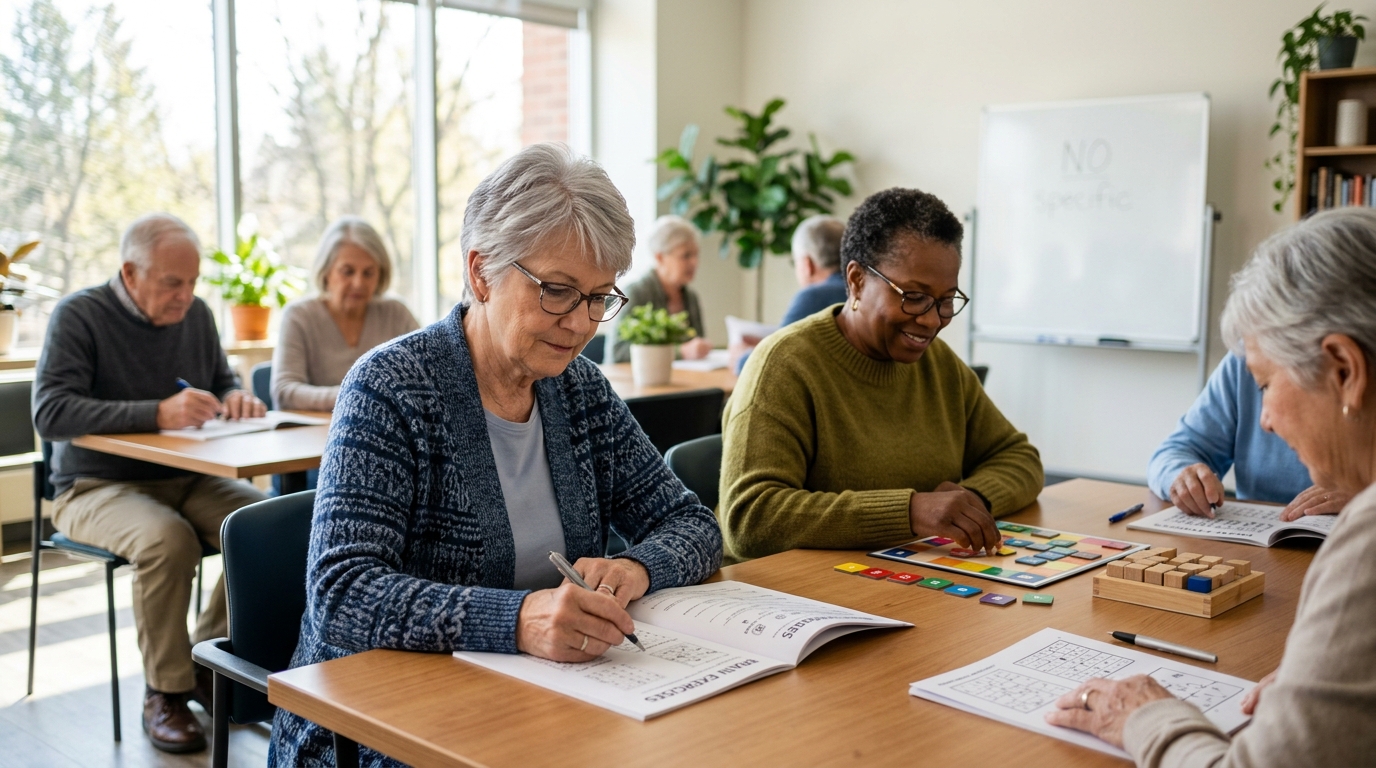
A genuinely effective senior cognitive training program is built around several non-negotiable components. Here’s what to look for when evaluating any program or platform.
Our technology-based nootropics approach integrates several of these components, combining gamma binaural stimulation with cognitive performance protocols designed specifically for adults who refuse to accept mental slowdown as inevitable.
We’re not anti-technology. Far from it. But we are direct about what technology can and can’t do for cognitive training in seniors.
Most consumer memory apps are built for engagement, not for neurological change. Their business model depends on daily active users, which means they’re optimized for habit formation and entertainment, not for pushing the brain to its adaptive limit.
This creates a fundamental design conflict. A genuinely effective cognitive training session should feel challenging to the point of mild frustration. It should operate right at the edge of your current ability, which means it’s hard, not comfortable.
Most memory apps default to the comfortable side of that line. They’re easy to pick up, easy to complete, and because of that, they’re easy for the brain to ignore in terms of structural adaptation.
The specialized web-based cognitive systems that show strong clinical results, like those achieving 82.8% adherence over 18 months in the COGWEB Study, are built around a fundamentally different design philosophy: make it scientifically rigorous first, then make it accessible.
That’s the standard we hold ourselves to when designing cognitive training programs for seniors.
Did You Know?
Structured digital training improved memory recall in older adults by 25% according to the latest clinical tracking data published in March 2026.
Source: Coherent Market Insights (March 2026)

The neuro-tech market has grown dramatically. With an estimated global value of $11 billion and 14% annual growth, there’s no shortage of platforms claiming to support brain health in older adults.
That growth is good news for seniors because it means more innovation. But it also means more noise. Here’s a practical framework for evaluating any senior cognitive training platform you’re considering.
We’ve also written about how brain-supportive practices extend into daily routines and team environments. Our piece on brain-friendly management strategies explores how cognitive principles apply beyond just training sessions, shaping the environments where real mental performance lives.
Not all cognitive improvement is created equal, and this distinction matters a lot for cognitive training in seniors.
Functional plasticity refers to the brain’s ability to shift cognitive tasks to different regions when needed. It’s adaptive in the short term and is the type of change most memory apps can produce.
Structural plasticity refers to actual physical changes in the brain: new synaptic connections, increased gray matter density, and the integration of newly formed neurons into existing networks.
Structural plasticity is what drives lasting memory improvement, sustained attention capacity, and real protection against age-related cognitive decline.
Achieving structural plasticity requires consistent, high-intensity, adaptive training over time. It requires BDNF production. And it requires targeting the right brain regions with the right kind of stimulation.
Our programs are built to produce both types of change, but we specifically focus on structural outcomes because that’s where the long-term protection against memory loss actually lives.
“The hippocampus continues to produce new neurons throughout life. The question isn’t whether your brain can change. It’s whether you’re giving it the right conditions to do so.”
Neuroplasticity Solutions, 2026
Consistency is the most underrated factor in any cognitive training program for seniors. A brilliant protocol followed for two weeks beats a mediocre one any day, but both lose to a well-designed program followed consistently for six months.
Here’s a practical weekly structure that incorporates the core elements of effective senior cognitive training.
This kind of multi-modal, structured approach is fundamentally different from opening an app and tapping through puzzles for five minutes. It treats the brain as the high-performance organ it actually is.
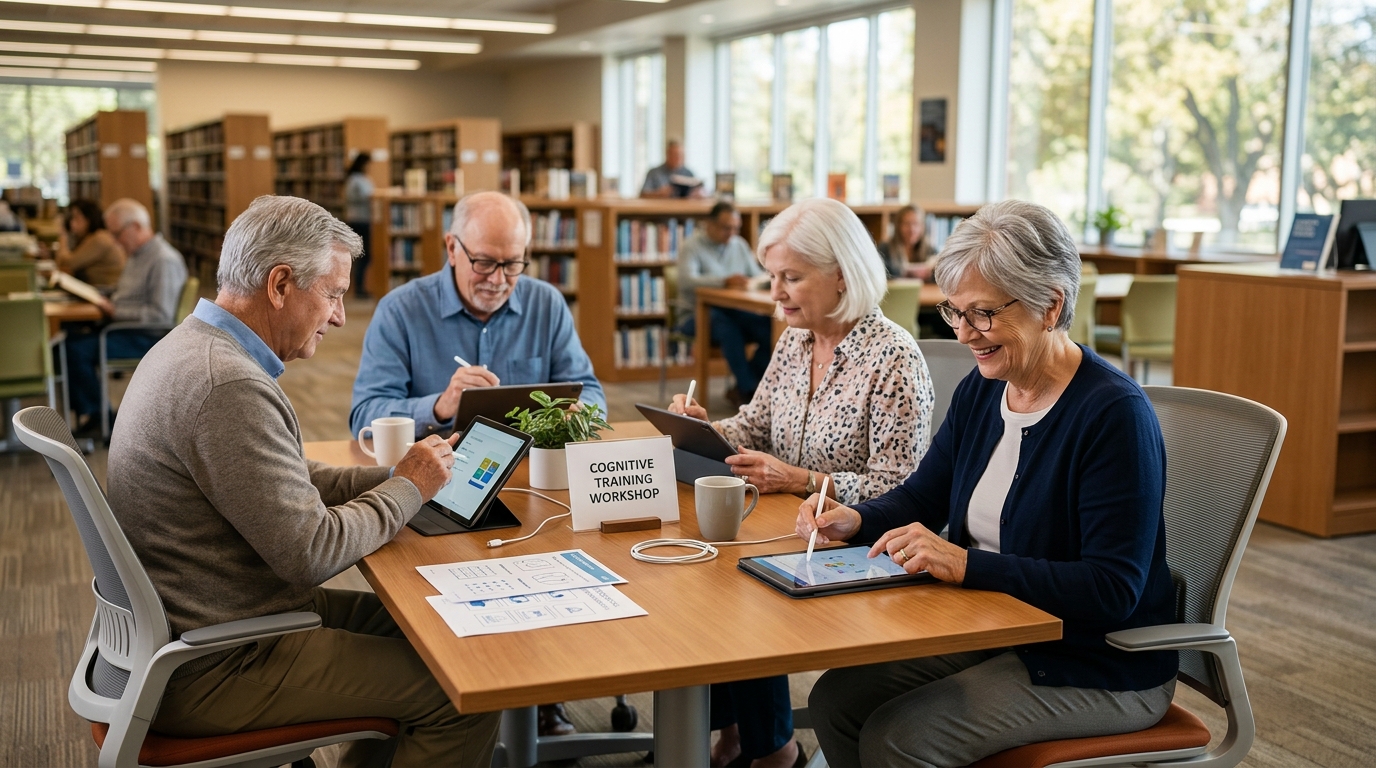
The bottom line on cognitive training for seniors is straightforward: the results are real, but only when the methodology matches the biology.
Memory apps are accessible and convenient, but convenience alone doesn’t rewire the brain. Structural change requires adaptive intensity, BDNF activation, hippocampal targeting, and a consistent protocol to keep seniors operating at the edge of their cognitive abilities.
The 2026 research is detailed. Seniors in structured programs outperform those using self-guided methods by measurable margins, including a cognitive-age advantage of 1 to 2 years. That’s not a trivial difference when you’re talking about memory preservation over the long term.
We built our entire approach around the evidence, not around what’s easy to market. If you’re serious about protecting your memory and keeping your brain sharp well into later life, structured cognitive training for seniors is the foundation on which everything else builds.
Explore our full range of programs and resources at Neuroplasticity Solutions and take the first step toward a proactive cognitive longevity roadmap that’s grounded in real neuroscience.
Cognitive training for seniors is backed by a growing body of clinical evidence. In 2026, structured programs have demonstrated 25% improvements in memory recall and measurable advantages in working memory compared to unstructured approaches. It works when the program is built on adaptive, neuroplasticity-based principles rather than generic puzzle games.
Memory apps are typically entertainment-first tools with minimal difficulty adaptation and little clinical evidence behind them. A real cognitive training program for seniors uses adaptive algorithms, targets specific brain regions like the hippocampus, and incorporates BDNF stimulation protocols to drive structural brain change, not just temporary performance boosts.
Research indicates that seniors engaging in structured cognitive training programs can see measurable improvements in working memory and attention within weeks. Long-term programs lasting 6 to 18 months produce the most durable results, with neurofeedback studies showing improvement maintenance up to 12 months after program completion.
While no training program can guarantee prevention, structured cognitive training for seniors is recognized as one of the most evidence-supported lifestyle interventions for reducing cognitive decline risk. Programs that stimulate BDNF production, support hippocampal neurogenesis, and maintain neural pathway density all contribute to long-term brain resilience.
BDNF, or Brain-Derived Neurotrophic Factor, is the protein your brain uses to form new neural connections, consolidate memories, and protect neurons from damage. BDNF levels decline with age, making targeted stimulation through cognitive training, gamma audio protocols, and physical activity especially important for seniors who want to maintain sharp cognition.
Yes, audio-based cognitive training programs like our Genius Switch series use 40Hz gamma binaural stimulation that works through headphones with no screen required. These programs are specifically designed to be accessible for seniors who prefer audio-first formats while still delivering the BDNF stimulation and brainwave entrainment that drive real cognitive improvements.
Absolutely. The neuroscience in 2026 confirms that the brain retains its capacity for structural change at every life stage, and the tools available today are more effective than at any previous point. Starting a structured cognitive training program as a senior now gives your brain the best possible conditions for building memory resilience that lasts.