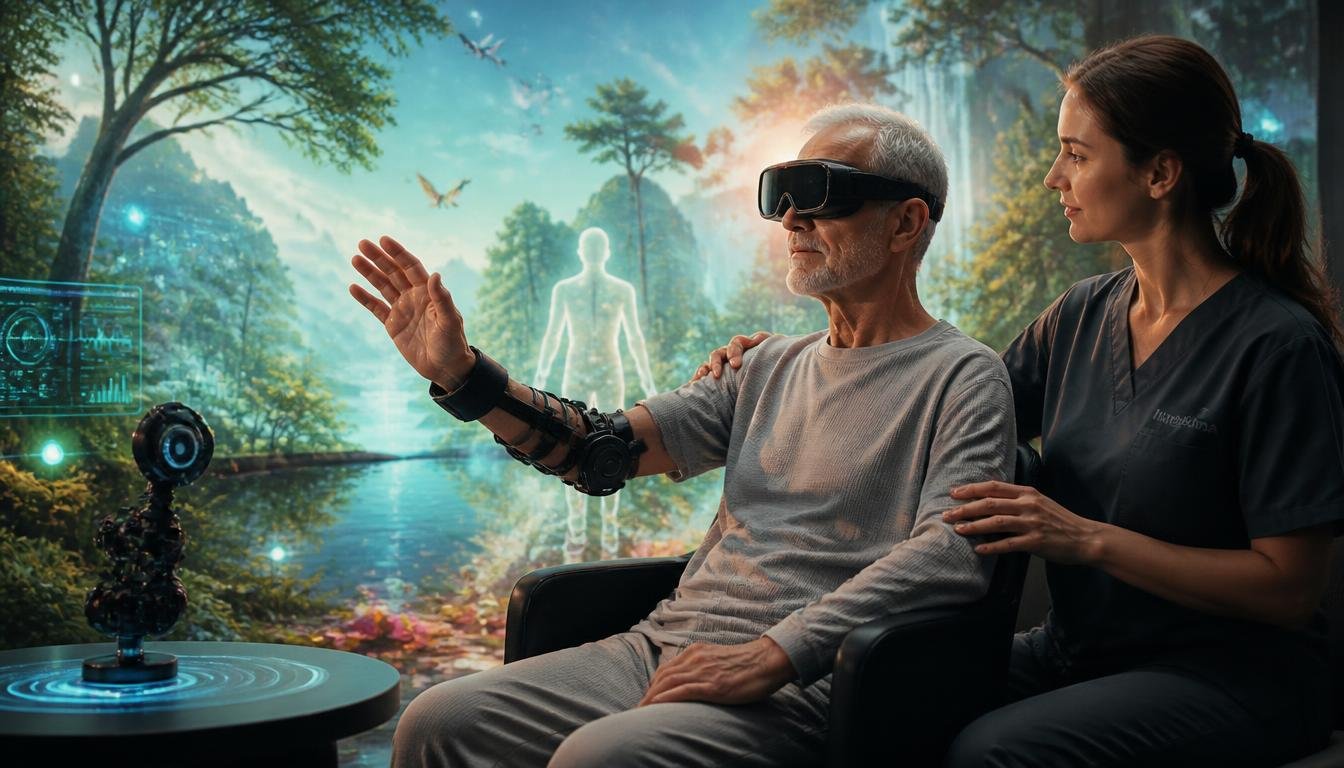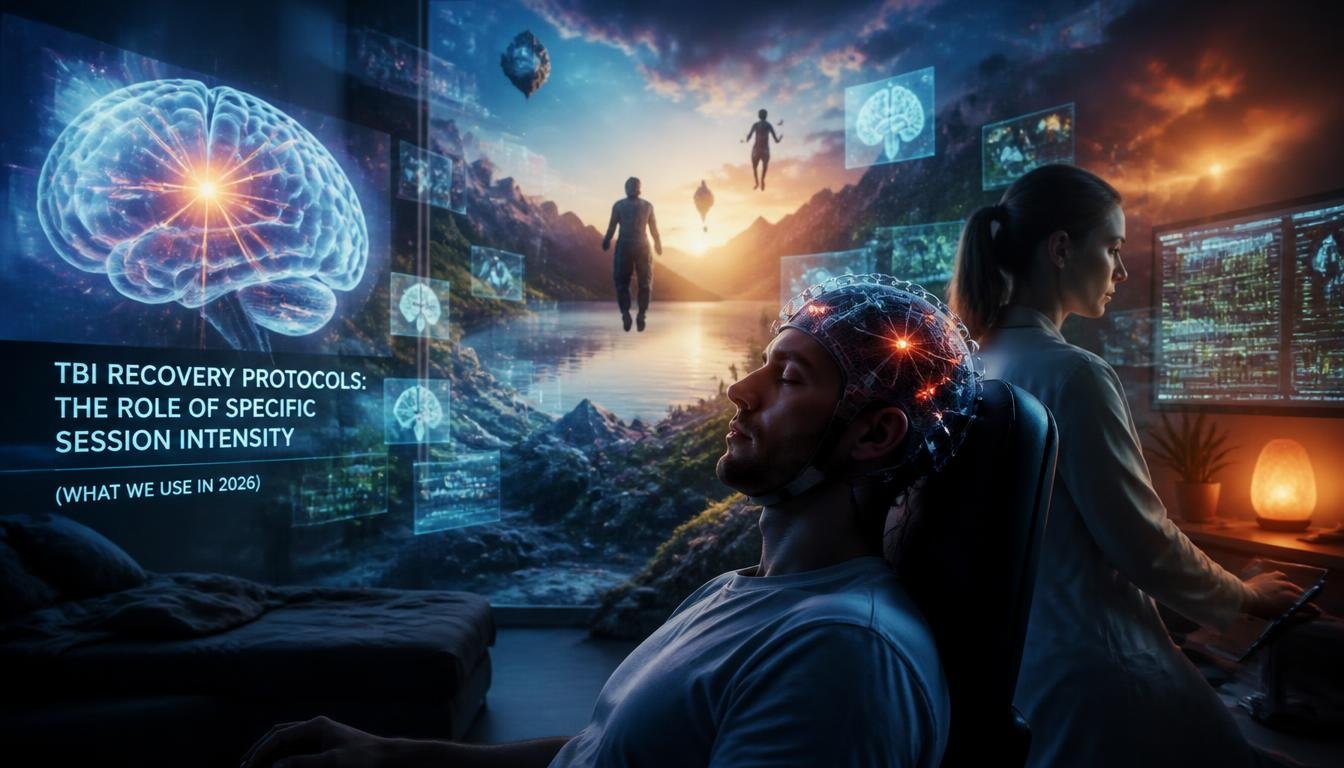
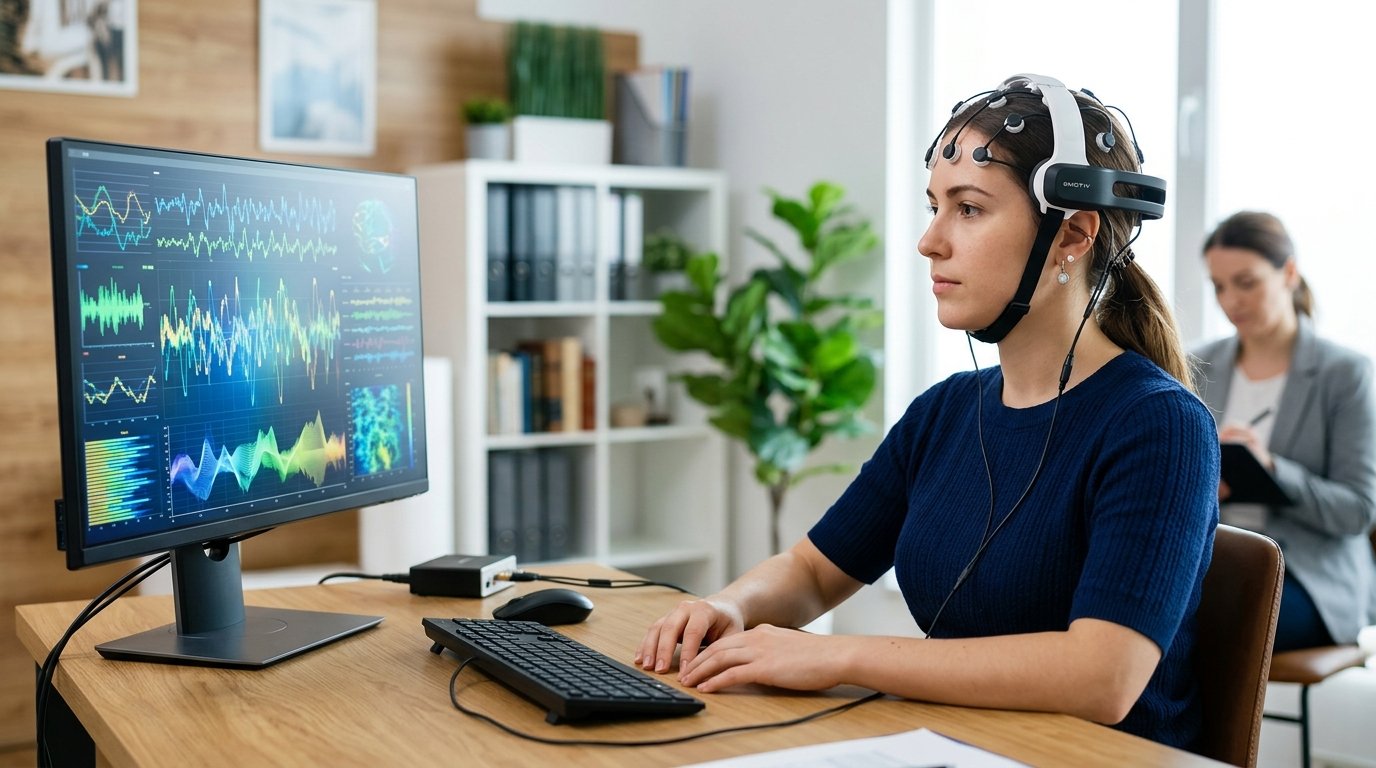
If you are dealing with stroke recovery, here is a reality check to start: home-based robotic therapy leads to an average cost saving of $2,352 (64.97%) per user compared to traditional clinic-based therapy. In 2026, the best way to use that advantage is to pair it with neuroplasticity tools that follow our standards, because we are anti-misfit and we only recommend what can be dosed, tracked, and proven to help.
|
1) Use a “measurable progress” workflow Baseline, repeat testing, and objective reporting are non-negotiable. |
2) Target BDNF and “rewiring” with dose Timing plus intensity matter, especially for recovery windows in 2026. |
|
3) Home-based works when the protocol is rigorous Home training is effective when it is structured, multimodal, and monitored. |
4) Tech is a tool, not a guarantee We use digital neuro-detox and audio modalities conditionally, then test outcomes. |
|
5) Avoid misfit challenge levels A generic approach can miss the “threshold-of-ability” you need. |
6) Sleep, nutrition, and concentration load matter Recovery is biological, and BDNF is sensitive to substrates and consistency. |
“Evidence over enthusiasm.”
Let’s start with one of the most straightforward Home-Based Neuroplasticity Tools for Stroke Survivors that you can integrate into daily life: BDNF-focused audio. Our methodology treats this as a biological input, not a motivational one. “The brain is a biological system, not a motivational one.”
From our approach, BDNF: The Brain’s “Miracle-Gro” is a central target in recovery protocols. That is why we built tools that aim at neurobiology mechanisms such as BDNF production, then we ask you to dose it consistently and measure what changes.

Recommended tool: Genius Switch – Activate Your Brain’s BDNF with 40Hz Gamma Audio ( $39 )
In 2026, many people are juggling “digital overload” alongside recovery fatigue. This is where disciplined inputs matter. We position audio training as a repeatable session layer that can support the bigger rehab stack, especially when paired with structured cognitive and motor tasks.
How to use it responsibly (home plan):
And yes, we are careful about claims. “You will never hear us promise to “reverse ageing” or “unlock 100% of your brain.”” We focus on what we can observe, dose, and adjust.
“The brain you have today is not the brain you are stuck with.”
Now we move from one tool to a whole category of home-based neuroplasticity tools for stroke survivors: guided neuro rehabilitation protocols. This is where “misfit vs misfit” becomes practical. We are not anti-technology, but we are anti-misfit, and that includes generic home exercises that do not match your threshold-of-ability.
Neuro rehabilitation is a structured, multi-modal clinical process to retrain the brain and nervous system. The key phrase is structured. In 2026, the best home plans are not just “more practice,” they are targeted practice, with measurable goals and adjustments.

What makes it a “best for” home tool:
Here is the simple standard we use: “If we cannot show you that something is working, we have no business recommending you continue it.” So for stroke survivors, your home protocol should include repeat checks, not blind repetition.
Typical protocol length logic: typical protocols can run 20 to 40 sessions, and people often notice meaningful changes around sessions 6 to 15. That is why we design programmes that include early checkpoints, so you do not wait in the dark.
If you want the deeper rationale behind our recovery logic, start with our core frame on neurological recovery plans.
Stroke recovery does not only challenge strength and coordination. It challenges attention, mental state, and the ability to stay engaged long enough to drive neurogenesis and synaptic reinforcement.
That is why we treat attention control as a real home-based neuroplasticity tool. Our 2026 recovery framework includes the question: can digital neuro-detox help with neurological recovery from “brain fog” or attention overload? In the right context, yes, because it can help restore attention and brain state for recovery.
“If your environment keeps spiking distraction, manifestation alone will not protect your concentration.”
We also get asked about manifestation manifestation techniques BDNF BrainWave boost brain power naturally, and here is our stance: mindset tools can be a supplement, but they do not replace the biological work of priming, sleep consistency, and attention dosing. If you want the “why,” look at it like this: attention is part of the system that learns.
Home “digital neuro-detox” plan you can run in 2026:
This is also where we avoid misfit dosing. A generic “do puzzles” approach does not automatically match your threshold-of-ability challenge, especially under stress. Neuroplasticity is not only about doing things, it is about doing the right things at the right challenge level.
If you want the science-oriented recovery breakdown we use for this layer, go to Neurological Recovery in 2026.
Here is where the Top Home-Based Neuroplasticity Tools for Stroke Survivors become more than a list. We integrate tools into a coherent stack, because BDNF: The Brain’s “Miracle-Gro” signal is not just one input. It is shaped by context, dose, and what you do next.
That is the logic behind pairing audio with structured cognitive tasks. It also matches how we work: “Every protocol we deliver is grounded in published research and adapted to the individual in front of us — not a generic profile, not a marketing persona, but a specific person with specific goals, a specific history, and a specific brain.”

Suggested pairing structure (simple and measurable):
And if you are tempted to run random tools back-to-back, we recommend the opposite. In 2026, the best home plan is fewer tools, tighter dosing, and objective reporting so your “rewiring” is not guesswork.
Where manifestation manifestation techniques BDNF BrainWave boost brain power naturally fits here:
Home-based neuroplasticity tools for stroke survivors often win because of access and consistency. But the bigger win in 2026 is cost discipline without quality loss.
We repeatedly see that survivors do not fail because they “lack willpower.” They fail because the logistics break. So we recommend tools that keep the rehab pipeline running at home with measurable standards.
“Progress must be measurable.”
How to avoid “digital overload” while staying consistent:
Some people ask whether gamified apps can replace structured training. Our cautious answer: gamification may boost compliance in some contexts, but you still need threshold-of-ability challenge and evidence over enthusiasm. Consistency is helpful only when the difficulty level drives learning.
If you want how we approach assessment logic and why we care about measurable change, our wider framework starts at our philosophy and story.
If you want a practical entry point, use this start plan. It is designed to keep your week structured while you learn what fits you, and it respects recovery realities in 2026.

Discover the top five home-based neuroplasticity tools that support stroke recovery. Practical, at-home strategies you can start using today.
Week 1: Baseline + environment
Week 2: Dose with threshold-of-ability challenge
Week 3: Add a second modality
Week 4: Review and adjust
This is the mindset we recommend: aim for higher engagement and tighter dosing, but keep it grounded in your real ability and your recovery needs in 2026.
The Top Home-Based Neuroplasticity Tools for Stroke Survivors in 2026 are not about chasing novelty. They are about structured dosing, BDNF-targeted inputs like Genius Switch, attention control to reduce “digital overload,” and home programmes that track measurable progress. “Evidence over enthusiasm.” That is how we “rewiring” safely, efficiently, and with accountability.
If you want our full recovery logic, you can start with Neurological Recovery in 2026 and then align your home stack to the plan. And if you are also interested in mindset tools like manifestation manifestation techniques BDNF BrainWave boost brain power naturally, we will always anchor that to the biology first, because the brain is a biological system, not a motivational one.
The best Top Home-Based Neuroplasticity Tools for Stroke Survivors to start in 2026 are structured home neuro rehabilitation protocols, an attention-control routine (digital neuro-detox), and a BDNF-focused audio layer like Genius Switch when it fits your plan. Keep it measurable: baseline, repeat checks, and adjustments based on outcomes.
Genius Switch can be a reasonable add-on in 2026 because it is designed to support BDNF: The Brain’s “Miracle-Gro” pathways using 40Hz gamma audio. It is not a standalone cure, so you get the best results when it supports structured cognitive and daily functional tasks you can track objectively.
Manifestation can be useful as an attention anchor, but it should not replace the real biological work that supports Top Home-Based Neuroplasticity Tools for Stroke Survivors. If your environment keeps spiking distraction, manifestation alone will not protect concentration, so pair mindset with priming, sleep consistency, and measurable training.
Home-based neuro rehabilitation can be effective in 2026 when the protocol is rigorously structured, multimodal, and tied to measurable goals. The key difference is avoiding misfit challenge levels and using objective reporting so you can adjust quickly.
If you notice you can complete tasks without meaningful effort, or if stress makes you disengage, that is often misfit dosing. For Top Home-Based Neuroplasticity Tools for Stroke Survivors, the test is threshold-of-ability challenge plus measurable improvement over weeks, not just time spent.
We recommend objective check-ins every 3 to 6 months for longitudinal tracking, with earlier feedback loops if you are adjusting difficulty or tool stack. For Top Home-Based Neuroplasticity Tools for Stroke Survivors, consistent reporting is what turns “rewiring” from guesswork into a plan you can refine.
Digital neuro-detox can support recovery by restoring attention and brain state, which helps you engage with your actual training inputs. Used correctly, it complements the broader programme, and it fits the evidence-based standard behind Top Home-Based Neuroplasticity Tools for Stroke Survivors.