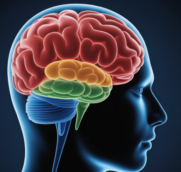
Neurological recovery is no longer just about waiting to see what the brain “gets back” on its own. There are now 11.4 million U.S. adults living with a disability related to traumatic brain injury, and that number keeps pushing researchers, clinicians, and everyday survivors to find faster, smarter ways to rebuild function.
Whether you’re recovering from a stroke, a concussion, or a chronic neurological condition, the tools available in 2026 look nothing like they did even five years ago. We put together this guide to walk you through what’s actually working right now.
Neurological recovery depends on repetition. High-dose, task-specific practice is still the single biggest driver of brain rewiring, according to most of the current neurological recovery research.
Home-based tools have caught up to clinical equipment. Several devices now replicate what used to require a hospital visit.
Second events are common. A large share of stroke survivors face a repeat event, which is why post-stroke cognitive longevity strategies matter as much as the initial recovery plan.
Neurofeedback is going mainstream. Neurofeedback protocols for focus and executive function are now used well beyond clinical stroke settings.
Predictive brain modeling is emerging fast. Neural digital twins are starting to help clinicians personalize recovery timelines.
Retreat-style supervised training is growing. Structured, intensive environments are producing better short-term gains than scattered outpatient visits for some patients.
There’s no single “best” program. The right combination of tools depends on injury type, timeline, and access to supervision, which is why we’ve outlined the best neurological recovery program options by category below.
Neurological recovery refers to the brain and nervous system’s ability to regain lost function after injury, illness, or disease. This isn’t just about physical rehab anymore.
It covers motor skills, memory, speech, executive function, and emotional regulation all at once. The field has shifted heavily toward neuroplasticity, which is the brain’s capacity to form new neural connections throughout life.
That shift matters because it means recovery isn’t capped at some arbitrary point six months or a year after injury. Modern neurological recovery approaches treat the brain as a system that keeps adapting, sometimes for years, if it gets the right stimulus.

Recovery happens through a mix of processes: neurogenesis, synaptic remodeling, and something researchers call “diaschisis resolution,” where areas near the damaged region gradually recover function.
None of this happens passively. The brain needs a reason to rewire, and that reason is usually repeated, meaningful practice.
Growth factors like BDNF (brain-derived neurotrophic factor) play a huge role here, and they respond directly to exercise, sleep quality, and cognitive challenge. This is part of why neuroplasticity treatment options for brain recovery and cognitive performance now emphasize combined physical and mental training instead of isolated exercises.
The brain rewires around what you actually do, not what you intend to do. That’s the entire premise behind modern neurological recovery protocols.
Stroke recovery is probably the most studied form of neurological recovery, and the data on what works has gotten a lot clearer.
Task-specific training beats generic exercise almost every time. If someone needs to relearn how to grip a cup, practicing that exact motion repeatedly outperforms unrelated hand exercises.
Here’s what tends to show up in effective programs right now:
Constraint-induced movement therapy: restricting the unaffected limb to force use of the weaker side.
Mirror therapy: using visual feedback to trick the brain into reinforcing movement patterns.
Virtual reality motor training: gamified repetition that keeps patients engaged for longer sessions.
Mental practice and motor imagery: mentally rehearsing movement, which activates similar brain regions as physical practice.
Our full breakdown of the best neuroplasticity exercises for stroke recovery in 2026 goes deeper into how to sequence these for maximum gains, and a companion piece on what actually works in stroke recovery this year covers dosage recommendations from recent clinical data.
Did You Know?
1 in 4 stroke survivors will experience a second stroke, which is exactly why ongoing neurological recovery planning shouldn’t stop once initial rehab ends.
Not everyone can get to a clinic three times a week, and honestly, most people shouldn’t have to.
Home-based devices have improved dramatically, and neuro-robotic devices in particular have seen a 24% jump in adoption across North American healthcare facilities as clinics push more rehab into patients’ living rooms.
Common categories we’re seeing recommended right now include:
Robotic glove and hand exoskeletons for grip retraining
EMG-triggered stimulation devices that respond to muscle signals
Balance boards paired with app-based feedback
VR headsets loaded with rehab-specific motor games
We’ve reviewed the top options in detail in our guide to home-based neuroplasticity tools for stroke survivors, including which ones actually hold up to daily use versus which ones look good in a demo but fall short at home.

Some people do better with structure and supervision than with a stack of devices at home, and that’s where retreat-style programs come in.
These are intensive, multi-day (sometimes multi-week) programs built around daily neuro-training sessions, nutrition, movement, and sleep optimization, modeled loosely on longevity habits observed in Blue Zone populations.
Pricing varies a lot depending on location and intensity:
Retreat Type | Typical Cost | Best For |
|---|---|---|
Neurologist-led brain health retreat (California coast) | $3,579 | Post-stroke and TBI survivors wanting clinical oversight |
European biohacking / neuro-training retreat | Varies by clinic | Cognitive optimization and prevention-focused travelers |
Our detailed rundown of Blue Zone-inspired retreats for supervised neuro training compares specific locations, daily schedules, and what to actually expect once you arrive.

Recovery doesn’t end when the acute rehab phase wraps up. It just changes shape.
The homelessness data actually drives this point home in a stark way: lifetime prevalence of traumatic brain injury among people experiencing homelessness sits at 53.1%, which is 2.5 times higher than the general population, showing how much unmanaged neurological issues can compound over time without ongoing support.
That’s why longer-term prevention has become its own category within recovery planning. Sleep consistency, cardiovascular health, blood pressure management, and cognitive engagement all show up repeatedly as protective factors.
We break these down further in our guide to preventative longevity strategies for neurological health, which covers habits worth building well before a second event has a chance to occur.
Did You Know?
A traumatic brain injury increases the risk of developing dementia by 4x, which is why long-term neurological recovery planning matters as much as the first few months of rehab.
Memory decline isn’t purely a function of age, and that’s a bigger deal than it sounds.
Vascular health, chronic inflammation, sleep quality, and social engagement all measurably affect how fast memory-related brain regions decline. None of these are fixed factors.
Our guide on memory decline mechanisms and the brain changes you can influence walks through which levers actually move the needle, versus which popular “brain training” claims don’t hold up under scrutiny.

Millions navigate the complex path to neurological recovery every day.
Two technologies keep coming up in 2026 conversations about neurological recovery: neurofeedback and predictive brain modeling.
Neurofeedback trains patients to consciously influence their own brainwave patterns using real-time monitoring, and it’s showing solid results for attention and executive function issues that often linger after brain injury. Our overview of neurofeedback protocols for focus and executive function covers session structure and realistic timelines for improvement.
Predictive brain modeling is newer and more experimental, using patient-specific data to build a “digital twin” of a person’s brain and simulate how different interventions might play out. We cover the basics of neural digital twins and predictive brain modeling in a separate piece, since it’s still an emerging field but one worth watching closely.
Pulling everything together, a few patterns hold true across almost every effective neurological recovery approach we’ve reviewed this year.
High repetition beats occasional intense effort.
Task-specific practice beats generic exercise.
Combining physical and cognitive training produces better outcomes than either alone.
Supervision matters most in the early months, then home-based tools can take over.
Prevention of a second event is part of the recovery plan, not a separate concern.
Our dedicated breakdown of what works in 2026 for neurological recovery goes into more depth on each of these, and our companion neurological recovery guide for 2026 pulls it all into a single reference you can revisit as your recovery progresses.
There’s genuinely no single best path here. It depends on the type of injury, how much support is available at home, and how far someone is from the initial event.
Someone six weeks post-stroke needs a very different plan than someone managing cognitive decline five years after a TBI. That’s exactly why we built a full comparison of the best tools, therapies, and strategies for rebuilding brain function in 2026, so readers can match their situation to the right combination instead of guessing.
If you want to start from the ground up, our Neuroplasticity Solutions homepage is a good jumping-off point for exploring the full library of guides.
Neurological recovery in 2026 looks less like a fixed timeline and more like an ongoing, adjustable process. The tools, from home-based robotics to supervised retreats to neurofeedback, keep expanding what’s possible well past the point where recovery used to be considered “finished.”
The most important takeaway is that consistent, targeted practice still drives most of the progress, regardless of which specific tool or program someone chooses. Neurological recovery works best when it’s treated as a long game, not a race to a single milestone.
Yes, neurological recovery can continue for years after the initial event, though the pace usually slows after the first six to twelve months. The brain retains plasticity throughout life, and consistent, targeted practice can still produce measurable gains long after the “standard” rehab window closes.
Task-specific practice, constraint-induced movement therapy, mirror therapy, and virtual reality motor training currently show the strongest results for stroke-related neurological recovery. Combining a couple of these approaches tends to outperform relying on just one.
Home-based tools have improved enough that many stroke survivors can maintain steady neurological recovery progress without daily clinical visits. That said, supervision still matters most in the early stages, especially for setting up the right exercise intensity and monitoring for safety.
Costs vary widely, with a neurologist-led brain health retreat on the California coast running around $3,579, while European biohacking-style retreats vary depending on the clinic and program length. Pricing generally reflects the amount of one-on-one clinical supervision included.
Memory decline isn’t purely determined by age, and factors like vascular health, sleep quality, and cognitive engagement all play a measurable role. This means meaningful improvement in memory-related neurological recovery is possible for many people, not just prevention of further decline.
Neurofeedback has shown solid results for attention and executive function issues that linger after brain injury, making it a reasonable option to explore as part of a broader neurological recovery plan. Results usually build gradually over multiple sessions rather than appearing immediately.
Recurrence is a major concern, since roughly 1 in 4 stroke survivors will experience a second stroke, and 1 in 5 adults with a brain injury experience a repeat injury within the first year. This is why ongoing prevention and longevity strategies are considered a core part of neurological recovery rather than an optional add-on.