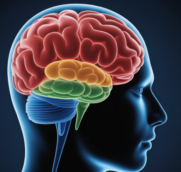
Neurological Recovery matters at a scale that can feel overwhelming, especially when you consider that globally, neurological disorders affect over 3 billion people and contribute to neurological deaths/disability of 11M+ deaths each year, and over 40% of the global population is affected. In 2026, the good news is that modern neuro-rehabilitation is no longer guesswork; it is a measurable process built on rigorous evidence, clear dosing principles, and real follow-through.
| What to focus on | Why it matters for Neurological Recovery |
|---|---|
| Timing + intensity | Better outcomes are tied to how soon and how consistently you deliver the right rehabilitation dose. |
| Evidence-based modalities | Neurofeedback, motor training, CBT, and targeted nutrition can be part of a structured programme. |
| Objective tracking | You need measurable progress, not vibes. Baselines, goals, and periodic reviews keep the programme honest. |
| BDNF as a central target | We treat Brain-Derived Neurotrophic Factor as your brain’s “repair protein,” supported by training, movement, and lifestyle. |
| Digital overload is real | In 2026, structured digital neuro-detox can help restore attention and BDNF-supporting brain states. |
| Pick the right service model | Apps alone usually cannot provide objective reporting, hands-on adjustments, or accountability. |
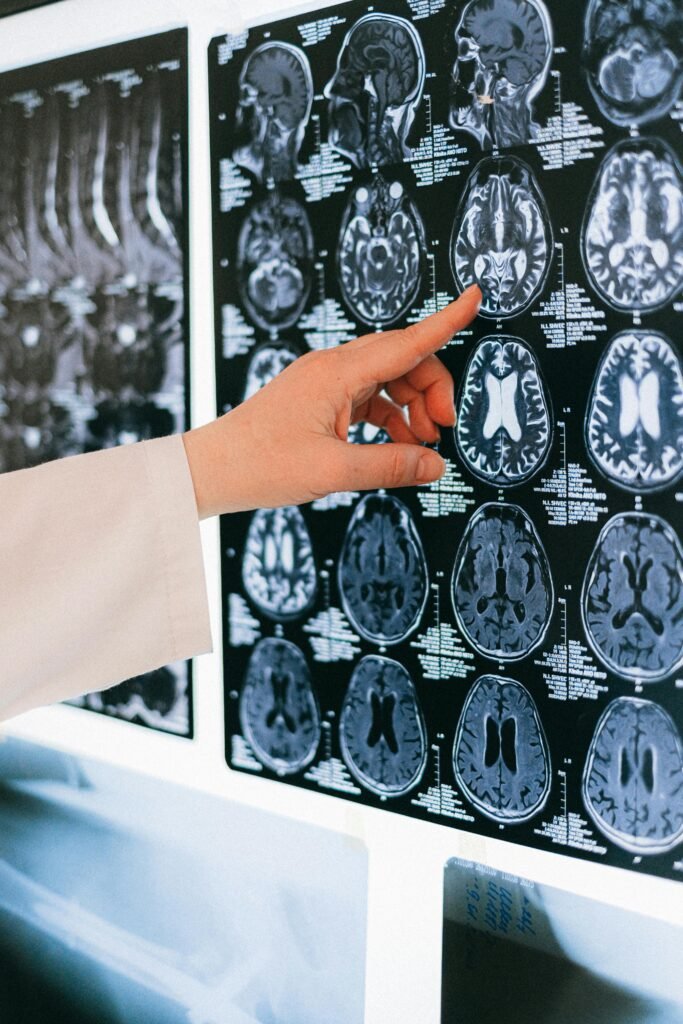
Neurological Recovery is not a promise that the brain “rewinds.” It is a disciplined effort to rebuild function by guiding neuroplastic change, starting from where you are now.
Here is what it typically is, when it is done the right way:
And what it isn’t:
Myth-busting note: In 2026, the idea that the adult brain was static is already outdated. Modern science has shattered that belief, and the practical takeaway is simple, you can train adaptive change, but you need the right structure.

We anchor Neurological Recovery in neurobiology, especially two parts: the brain’s ability to reorganise (neuroplasticity) and the biological conditions that make learning stick.
BDNF is the practical centerpiece. Think of it as the brain’s “Miracle-Gro,” a protein that supports neuronal growth and synaptic strengthening. In 2026, many recovery protocols are framed around stimulating natural BDNF pathways through training, movement, cognitive challenge, and nutrition, rather than chasing shortcuts.
Different forms of learning show up on different timelines. In practice, we think in phases:
In 2026, we often see a combination approach in Neurological Recovery programmes:
If you are trying to choose what to prioritize for Neurological Recovery, start by asking whether your plan includes dosing (how much, how often), and objective reporting (how we know it is working).
Did You Know?
In the Walk ’n Watch trial, 12 inpatient stroke rehabilitation units in Canada participated (trial timeframe 2021–2024 per reporting).
Source: Medscape
When we say “best,” we mean interventions with published support and a programme structure that makes them usable in real life.
Our approach to Neurological Recovery prioritizes a baseline assessment, measurable goals, and evidence-based modalities delivered with enough intensity to drive neuroplastic change.
For a deeper look at what neuro rehabilitation includes and how we think about BDNF-centered protocols, see our guide on best neuro rehabilitation approaches in 2026.
In 2026, we see a consistent pattern across neurological recovery cases: outcomes are not purely determined by how severe the injury was. Timing, intensity, and the quality of the programme behind the training matter a lot.
When neurological recovery affects memory, attention, or processing speed, you need measurement that holds up over time. In 2026, cognitive screening is changing from “one-off” checks to longitudinal tracking that supports proactive, measurable change.
A common challenge is comparing scores across different tests. For example, MoCA and MMSE can reflect different aspects of cognitive status, which makes raw comparisons misleading without a translation approach.
That is why we use structured comparisons like the 2026 MoCA to MMSE score conversion chart to keep longitudinal data consistent.
It is tempting to treat Neurological Recovery like a self-guided puzzle. But in 2026, the research-aligned reality is more specific: training must be adaptive enough to stay near your cognitive edge, and it needs dose and feedback that generic games often do not provide.
Many memory apps are helpful as supplements, but they typically do not:
To see how we compare structured training versus memory apps for seniors, review cognitive training vs memory apps: what works for seniors.
The key is intensity delivered in the right direction. In the best Neurological Recovery programmes, training difficulty is adjusted so you keep learning without getting pushed into constant frustration (or boredom), and the programme is reviewed regularly for measurable progress.
In 2026, technology is not automatically helpful or harmful. It depends on whether it supports recovery or feeds cognitive overload.
Our view is straightforward: digital overload suppresses BDNF-supporting brain states, and a structured detox can help restore healthier patterns.
If you are dealing with attention fragmentation, “brain fog,” or constant mental switching, you may want to review our digital neuro-detox 2026 protocol.
Some clients want an at-home add-on that supports our BDNF-centered pathway. One example is Genius Switch Audio Series, a downloadable audio series positioned to stimulate BDNF using precision 40Hz gamma audio stimulation.
Price: $39
You can read more about Genius Switch and how it is designed to activate your brain’s BDNF. We keep claims deliberately cautious. We do not promise a guaranteed outcome, we focus on delivering a structured plan alongside your broader Neurological Recovery programme.
Interested in the mechanics? Our overview of the technology behind this approach is also available here: Genius Switch, a technology-based botanical nootropics approach.
Did You Know?
In the AboLiSh spasticity study (430 patients), 23% of clinicians administered abobotulinumtoxinA without guidance; this was associated with reduced goal attainment (worse patient goal outcomes).
Source: Ipsen press release
If you are selecting a Neurological Recovery service, we recommend a simple checklist. We are deliberately cautious about claims, and we strongly prefer providers who can show how outcomes are tracked.
If you want a practical decision framework (especially if you are a leader or professional who needs something realistic), read how to choose the right neuro coaching service for leaders, the complete 2026 guide.
We structure programmes into three main pathways, because Neurological Recovery is not one single problem:
Neurological Recovery often involves more than the individual session. Work demands, interruptions, and constant cognitive switching can become an invisible cognitive tax.
In 2026, we see high-performing teams benefit from management practices designed around brain-friendly learning and focus. If your recovery also includes leadership demands or team coordination, review top 5 brain-friendly management strategies for high-performance teams (2026 guide).
This kind of structure matters because it supports the recovery plan you are already running. When your schedule protects deep work and reduces interruptions, you give your brain a better environment to practice and consolidate change.
Neurological Recovery in 2026 is moving beyond hopeful guessing. It is a structured process built on neuroplasticity, dosing, and BDNF-centered biological support, delivered through evidence-based modalities and adjusted using objective reporting.
If you want a practical next step, start with measurement, measurable goals, and a programme that can show progress. Your brain is the only organ you cannot replace, it deserves a plan.
The best approach to Neurological Recovery after concussion or TBI in 2026 is a structured plan with baseline assessment, measurable goals, and evidence-based modalities like cognitive training and targeted neuro-rehabilitation support. We focus on dosage and progressive intensity, then track objective changes so the programme stays honest.
In most Neurological Recovery programmes, you can sometimes see functional improvements within weeks, while more structural learning often takes longer, commonly 3 to 6 months of consistent deliberate practice. The key is measurable progress, so you know whether you are on track and when adjustments are needed.
Yes, BDNF-based strategies remain relevant for Neurological Recovery in 2026 because BDNF is treated as a biological support mechanism for synaptic strengthening and learning. We use BDNF-centered protocols alongside training, movement, nutrition guidance, and objective programme reviews.
Digital neuro-detox can help as part of Neurological Recovery when attention fragmentation and overload suppress recovery-friendly brain states. In 2026, we prefer a structured protocol over random screen limits, then we pair it with cognitive training and BDNF-supporting techniques.
For Neurological Recovery, most people do better with structured cognitive training rather than relying on memory apps alone. In 2026, adaptive intensity and objective reporting tend to matter more than passive “do it when you feel like it” practice.
Choose a Neurological Recovery service that starts with assessment, sets measurable goals, uses evidence-based modalities, and provides objective reporting. If a provider makes unrealistic promises, or cannot explain how progress will be measured, we recommend walking away.