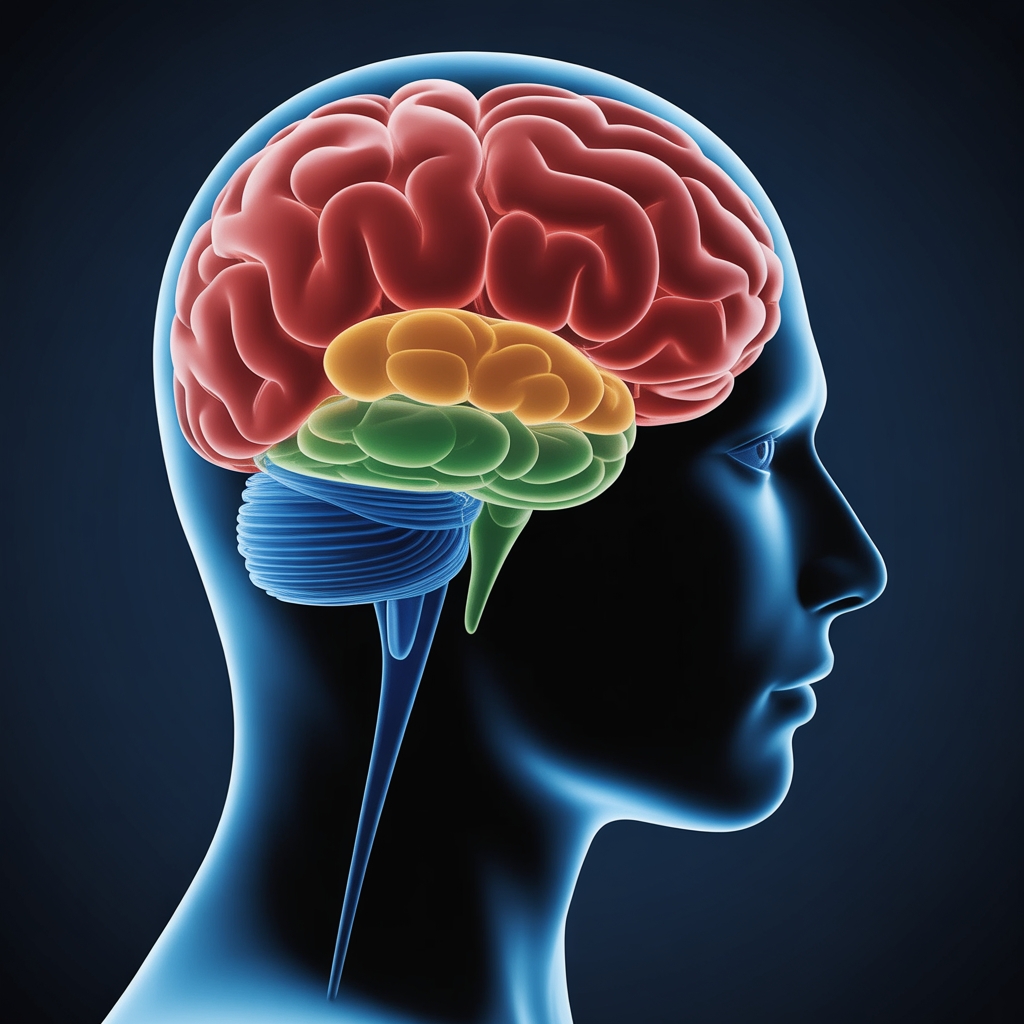
In 2026, we still treat stroke prevention like it lives only in hospitals and medication plans, but oral health research keeps pointing to a different lever, one that starts in your mouth. Patients with periodontitis are 1.72 times more likely to experience a stroke than those with healthy gums.
| The Oral-Brain Axis | Your mouth can influence brain health through inflammation, immune signals, and blood-clot risk. |
| Brushing is necessary, but not enough | Brushing reduces plaque, yet interdental cleaning matters for full gum protection. |
| Neuroplasticity needs dosing logic | Think measurable intensity and timing, not vibes, especially if you are already at higher risk. |
| Stroke prevention is multi-factor | Oral care supports risk reduction, but you still need medical risk management. |
| Use evidence-based programs | If you or someone you love is recovering, we emphasize structured neuro-rehabilitation and measurable progress. |
Quick note: This guide focuses on how oral care supports stroke prevention risk. It does not replace advice from your dentist or clinician, especially if you have cardiovascular risk factors.
The Oral-Brain Axis: Brushing for Stroke Prevention is not a slogan. It is a practical idea: your mouth is not isolated from the rest of your body, and your brain pays attention to what your immune system keeps seeing.
When gums are inflamed, bacteria and inflammatory byproducts can increase. That can influence blood vessel health, systemic inflammation, and potentially the kind of clot risk that leads to stroke.
Here is the part most people miss: brushing is not just about teeth. Brushing helps reduce plaque that feeds gum inflammation, which helps reduce the chronic “background signal” your immune system receives.
And if you are the kind of person who wants a clear mechanism, we will give it to you in plain terms:

We like this framing: meaningful neuroplastic change is not a subscription you scroll through on your phone. Your risk reduction behaviors work the same way, they need consistent dosing and real follow-through.
Periodontitis is not just “bad breath” or a dental annoyance. It is a chronic inflammatory condition, and chronic inflammation can influence vascular health.
That is why The Oral-Brain Axis: Brushing for Stroke Prevention starts with gum stability. If your gums bleed, feel tender, or stay swollen, treat that as a warning light, not a normal part of life.
In practical terms, your mouth gives your body a steady stream of inflammatory cues when plaque control fails. Brushing helps, but if interdental areas are neglected, plaque keeps building where your brush cannot reach well.
So your goal is not perfection. Your goal is meaningful reduction of plaque and inflammation, week after week, in 2026 conditions like stress, schedule chaos, and inconsistent routines.
Let’s make brushing measurable. We do not want your mouth on “maybe.” We want the kind of consistent, repeatable input that supports protective biology.
Here is the technique logic we use for the Oral-Brain Axis: Brushing for Stroke Prevention.
Want a reality check? If your gums bleed after brushing, do not assume you should stop. Improve technique, add interdental cleaning, and follow up with a dental professional.
One more thing we keep repeating: meaningful neuroplastic change is not a subscription you scroll through. Likewise, gum health improves with dosing, not with occasional “good weeks.”
Brushing reduces plaque on accessible tooth surfaces. But interdental spaces are where biofilm can hide. If you want The Oral-Brain Axis: Brushing for Stroke Prevention to actually hold up, you need cleaning beyond the brush.
That is why flossing (or interdental brushes) should become part of your daily or near-daily routine. It is the difference between “teeth look clean” and “gums stay calmer.”
The takeaway is not “floss once and you are protected.” The takeaway is that small, accessible oral cleaning actions correlate with better stroke risk signals. In 2026, that gives you a low-cost, high-impact lever you can actually control.
If you want The Oral-Brain Axis: Brushing for Stroke Prevention to be repeatable, use a fixed sequence. Your brain likes structure. Your gums do too.
Here is our 5-step routine. It is simple enough to do on busy days, but structured enough to reduce plaque where it counts.
This infographic links oral health to brain health. It highlights a 5-step brushing routine to help reduce stroke risk.
We built this like a neuro-rehabilitation dose plan, because your behaviors are a biological input. In 2026, most recovery protocols are framed around stimulating natural pathways through training, movement, cognitive challenge, and nutrition, rather than chasing shortcuts.
One of the strongest pieces of evidence behind the Oral-Brain Axis concept is that oral bacteria show up in contexts that matter for stroke.
To keep it grounded, we do not claim that brushing alone prevents stroke in every person. We claim brushing supports risk reduction by reducing bacterial load and inflammation signals that can contribute to harmful vascular outcomes.
And the microbial pathway is not a metaphor.
This is why we treat oral hygiene as part of overall stroke risk management. The Mouth-Brain connection is not a sci-fi idea. It is a biological feedback loop you can influence.
Medicine treated the adult brain as fixed, a machine that wore out, slowed down, and could not be rebuilt. We disagree with that framing, and the same logic applies to health habits.
Your brain can rewire, and your behaviors can change the signals your body repeats. That is why we obsess over dosing and measurable intensity.
Here is how that translates into The Oral-Brain Axis: Brushing for Stroke Prevention in 2026:
If you already live in a neuro-rehabilitation mindset, this will feel familiar. Neuro rehabilitation is a structured, evidence-based process of retraining the brain and nervous system after injury or neurological impairment, using the brain’s capacity for change called neuroplasticity.
That is the same mindset you want for oral health. Structured, evidence-based, measurable. Not vibes.
Related resource: If you want the broader evidence-based approach we use for recovery and measurable progress, start with neurological recovery in 2026.
We are not asking you to overhaul your entire life. We are asking you to run a tight protocol for your gums, because The Oral-Brain Axis: Brushing for Stroke Prevention makes sense only when you do the daily work.
Here is a practical plan you can start this week.
If you are supporting a stroke survivor, the same “structured and dosed” logic applies to recovery. We see meaningful gains typically require a cumulative dose delivered with timing and intensity. That is why our approach prioritizes baseline assessment and measurable goals, not generic plans.
For example, you can explore evidence-based stroke recovery support and home-based tool selection at home-based neuroplasticity tools for stroke survivors (best picks for 2026).
The Oral-Brain Axis: Brushing for Stroke Prevention is a clear, actionable idea in 2026. Your mouth influences inflammatory and microbial pathways that can affect stroke risk, and brushing plus interdental cleaning gives you a controllable lever you can repeat every day.
If you want the simplest version that works, use a structured routine, brush gumline-first, add interdental cleaning, and track feedback through gum bleeding and dental follow-up. You need measurable progress, not vibes.
Yes, brushing supports The Oral-Brain Axis: Brushing for Stroke Prevention by reducing plaque and gum inflammation, which can influence systemic inflammation and vascular risk. Brushing works best when paired with interdental cleaning and regular dental checkups.
Both matter, but interdental cleaning often makes the difference for gum health because a toothbrush cannot reliably reach between teeth. In 2026, evidence linking flossing with lower ischemic stroke risk reinforces why you should treat flossing as part of your Oral-Brain Axis routine.
Periodontitis drives chronic gum inflammation and increases bacterial load, which can contribute to inflammatory signals that affect blood vessels. That is why The Oral-Brain Axis: Brushing for Stroke Prevention starts with gum stability, not just “clean teeth.”
Most people do best with brushing at least twice per day, using consistent technique and adequate time per session. If you want to maximize impact in 2026, also add interdental cleaning daily or as recommended by your dentist.
Do not ignore it. Bleeding often signals inflammation, so improve technique, add interdental cleaning, and follow up with a dental professional to evaluate gum health.
In practice, the best routine is the one you can repeat with quality. A structured 5-step approach, gumline-first brushing plus interdental cleaning, aligns with The Oral-Brain Axis: Brushing for Stroke Prevention by targeting the biological drivers most tied to gum inflammation.