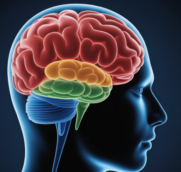

When a heat dome parks itself over a city for days, the brain is one of the first organs to notice. Research published in PLOS Medicine found that students working in non-air-conditioned buildings during a heat wave showed a 13.4% increase in reaction time on selective attention tests compared to peers in climate-controlled rooms, a gap that shows up in real test scores, real errors, and real neurological symptoms long before anyone feels “too hot to think.”
That’s not a minor inconvenience. That’s measurable cognitive degradation, and it’s exactly the kind of evidence-based finding we build our work around here at Neuroplasticity Solutions.
A heat dome isn’t just “a really hot week.” It’s a persistent high-pressure system that traps warm air over a region for days or weeks, preventing normal cooling and pushing both outdoor and indoor temperatures well past what human physiology was built to tolerate.
Your brain, unlike your skin, cannot simply sweat its way out of trouble. Neurons operate optimally in a fairly narrow thermal band, generally cited between 68 and 78.8 degrees Fahrenheit, according to the Alzheimer’s Research Association.
Push core and ambient temperature past that range and the brain has to divert resources toward basic thermoregulation. That’s resources it isn’t spending on attention, memory encoding, or executive function.
Heat stress triggers a cascade that looks a lot like other forms of physiological stress: elevated cortisol, disrupted sleep architecture, and reduced cerebral blood flow efficiency as the body prioritizes skin perfusion for cooling over deep organ perfusion.
We treat Brain-Derived Neurotrophic Factor, or BDNF, as your brain’s “repair protein,” the biological target that supports synaptic maintenance and structural plasticity. Chronic heat exposure and the sleep disruption it causes are associated with reduced BDNF signaling in animal and human studies, which is one plausible mechanism connecting heat domes and the brain’s slower processing speed during extreme temperature events.
This isn’t a vibe. It’s a measurable physiological chain: heat exposure, reduced sleep quality, disrupted BDNF activity, and downstream cognitive slowing.

The same PLOS Medicine research that found the 13.4% reaction time increase also documented a 9.9% reduction in cognitive throughput, the combined measure of processing speed and accuracy, among people in non-air-conditioned buildings during heat events.
Researchers also identified a dose-response pattern: reaction time on selective attention tasks increased by roughly 16 milliseconds for every degree Celsius the indoor temperature climbed. That’s not a plateau effect. It’s a sliding scale, and it gets worse the hotter it gets.
A separate longitudinal study cited by Cornell’s Evidence-Based Living program found a measurable drop in math test scores once outdoor temperatures crossed 89 degrees Fahrenheit. Kids doing homework in a heat dome are not working with the same brain they’d have on a mild spring afternoon.
Heat domes don’t just slow down healthy brains. They destabilize already-compromised ones, and the effect is well documented across several neurological categories.

Cognitive decline symptoms worsen sharply as temperatures climb beyond comfortable indoor ranges
The link between heat domes and the brain extends well past dementia and stroke into psychiatric territory, and this is where the data gets genuinely alarming.
A study cited by TIME correlates every 1.8°F increase in average temperature with a 1% increase in suicide rates across the U.S. and Mexico. Cornell’s research found an 8 percent increase in emergency department visits specifically for mental health problems, including anxiety and mood disorders, on the hottest days of the year.
Postpartum psychiatric conditions sit inside this vulnerable category too. Postpartum psychosis is a rare but severe condition marked by rapid-onset mood disturbance, delusions, and disordered thinking in the weeks after childbirth, and researchers studying the neurobiology of postpartum psychosis in 2026 have been examining how hormonal shifts, sleep deprivation, and environmental stressors like extreme heat interact to destabilize an already fragile neurochemical state.
The high-profile Lindsay Clancy trial brought national attention to how postpartum psychosis brain changes can go undetected until a crisis point, and it’s part of why clinicians are pushing for closer monitoring of new mothers during heat wave conditions, not just for physical safety but for psychiatric stability. This isn’t a fringe concern. It’s a real intersection of thermal stress, hormonal vulnerability, and acute psychiatric risk that deserves far more clinical attention than it currently gets.
Not every brain responds to a heat dome the same way. Some populations carry a measurably higher risk load.
| Population | Why the Risk Is Higher |
|---|---|
| Adults over 65 | Heat-related mortality in this group rose roughly 85% comparing 2000-2004 to 2017-2021 data from the WHO. |
| People with dementia | Reduced thirst perception and medication interactions raise dehydration and heat stroke risk. |
| Pregnant and postpartum individuals | Hormonal volatility compounds heat-driven sleep loss and mood instability. |
| Children | Test scores and attention measurably decline once temperatures pass roughly 89°F. |
| Stroke and TBI survivors | Rebuilding neural pathways already demands significant metabolic resources, leaving less capacity to buffer heat stress. |
Heat stroke itself is critical to flag here. It’s fatal for nearly two-thirds of people who experience it during an extreme heat event, per the American Brain Foundation, and survivors face a real chance of lasting cognitive impairment even if they recover.
None of this means you’re powerless once a heat dome sets in. There are specific, dosed interventions that reduce cognitive risk, and they go beyond just “drink water.”
We’re not going to tell you a supplement or a gadget will “reverse” the effects of a heat dome on your brain. Those phrases belong in marketing copy, not in a clinical setting.
What we will say is that supporting your baseline cognitive reserve, before, during, and after heat events, is grounded in real evidence. Our overview of cognitive performance supplements walks through which compounds have actual research behind them versus which ones are just riding the nootropics trend.

Neuroplasticity Solutions was founded on a simple but radical premise: the brain you have today is not the brain you are stuck with, even when the environment around it is working against you.
Heat domes and the brain interact in ways that most people never think about until they’re squinting through a fog they can’t explain. That’s the gap we exist to close: the space between what published research says about thermal stress on cognition and what most people actually do about it.
One of the tools we point people toward for supporting cognitive clarity, heat-related or otherwise, is Genius Switch, a non-invasive audio protocol using 40 Hz gamma binaural beats to help activate whole-brain states without apps, subscriptions, or supplements.
At $39, it’s positioned as a simple, evidence-informed tool, not a miracle cure, and we’d never present it as one. Evidence over enthusiasm, always.
For anyone managing a neurological condition that heat waves tend to aggravate, our broader approach to cognitive health centers on measurable protocols rather than passive brain games or trivia apps. You need measurable progress, not vibes, especially when the thermostat outside is working against you.
Heat domes and the brain are locked in a relationship that science is only now starting to fully map, but the pattern is already clear: slower reaction times, reduced cognitive throughput, worsened neurological symptoms, and elevated psychiatric risk all climb as temperatures do.
This isn’t a reason for panic. It’s a reason for a plan.
Whether you’re managing your own cognitive performance through a summer of record heat, caring for a parent with dementia, or supporting a new mother through a vulnerable postpartum window, understanding how heat waves worsen cognitive and neurological symptoms is the first step toward doing something about it.
Yes. Heat stroke, a severe form of heat illness, leaves between 10% and 28% of survivors with persistent, long-term brain damage, and it’s fatal for nearly two-thirds of people who experience it during a heat wave.
Heat forces the brain to divert energy toward thermoregulation instead of cognitive tasks, and research shows reaction time can increase by roughly 16 milliseconds for every degree Celsius rise in indoor temperature.
Yes, hospital visits related to Alzheimer’s and dementia symptoms rise sharply during extreme heat events, likely due to dehydration, medication interactions, and disrupted sleep and circadian rhythm.
Extreme heat is associated with an 8 percent rise in emergency visits for mental health problems, and researchers studying the neurobiology of postpartum psychosis in 2026 note that heat-driven sleep disruption can compound the hormonal instability already present in postpartum psychosis, making close monitoring during heat waves important.
Neurons generally operate optimally between 68°F and 78.8°F, and cognitive performance measurably declines once indoor or outdoor conditions push well past that range.
Yes, longitudinal research found a measurable decline in math test scores once outdoor temperatures exceeded 89 degrees Fahrenheit, suggesting children’s academic performance is directly affected by extreme heat.
Keep indoor spaces under roughly 79°F when possible, protect your sleep schedule aggressively, front-load demanding mental work to cooler morning hours, and support recovery-linked pathways through consistent movement and evidence-based cognitive tools rather than relying on passive apps or unproven supplements.