Brain training for career longevity is no longer optional, it is the baseline for staying employable in 2026. With 39% of current workplace skills forecast to become obsolete by 2030, the question is no longer whether your brain can adapt, but whether you are training it to.
Key Takeaways
| Question | Answer |
|---|---|
| What is brain training for career longevity? | A structured, evidence-based approach to maintaining cognitive performance, adaptability, and learning speed across your career. |
| Do brain games help? | No. Static puzzles lack measurable transfer to real-world performance. See our analysis in this evidence-based guide. |
| What actually works? | Protocols targeting neuroplasticity, BDNF activation, and progressive cognitive load. |
| Is this only for older professionals? | No. Cognitive decline starts earlier than most assume. Prevention is more effective than recovery. |
| How do you measure progress? | Through reaction time, working memory capacity, executive function metrics, and learning velocity. |
| Where do I start? | Explore structured protocols in cognitive performance resources. |
Brain Training for Career Longevity Is Not What You Think
Not entertainment, but intervention. That distinction matters.
Most people equate brain training for career longevity with apps, puzzles, or trivia. Static difficulty, predictable patterns, and passive engagement do not create structural plasticity.
They create familiarity. That is not the same as adaptation.
The brain changes when it is pushed to the edge of its current capacity, not when it is comfortably repeating known patterns. Evidence over enthusiasm.
The Biology Behind Brain Training for Career Longevity
Neuroplasticity Solutions was founded on a simple but radical premise: the brain you have today is not the brain you are stuck with.
This is not motivational language. It is a biological reality driven by mechanisms like neurogenesis, synaptic remodeling, and long-term potentiation.
At the center of this process is BDNF. We treat Brain-Derived Neurotrophic Factor as your brain’s “repair protein,” supported by training, movement, and lifestyle.
Without sufficient BDNF signaling, learning slows, recovery stalls, and cognitive flexibility declines. With it, the brain remains adaptable well into later decades.
Why Brain Training for Career Longevity Matters More in 2026
The workforce has changed. Permanently.
Roles evolve faster than formal education systems can track, and professionals are expected to reskill continuously. Brain training for career longevity is now tied directly to earning potential, adaptability, and job security.
One of the most overlooked risks is stagnation. Not burnout, not unemployment, but remaining in place while the market moves forward.
This is where brain training shifts from optional self-improvement to career infrastructure.
What Effective Brain Training for Career Longevity Actually Looks Like
You need measurable progress, not vibes.
Effective protocols share a few non-negotiable characteristics:
- Progressive overload, tasks increase in difficulty as performance improves
- Task specificity, targeting executive function, working memory, and processing speed
- Feedback loops, real-time performance data guides adaptation
- Dosing principles, frequency and intensity are calibrated, not guessed
The specialized web-based cognitive systems that show strong clinical results are built around a fundamentally different design philosophy: make it scientifically rigorous first, then make it accessible.
Brain Training for Career Longevity vs Brain Games
Not the same category. Not even close.
Brain games are optimized for engagement. Clinical cognitive training is optimized for transfer.
Transfer is the only metric that matters. Can you think faster in meetings? Learn new tools quicker? Adapt under pressure?
If the answer is no, the training failed, regardless of how enjoyable it felt.
Tools and Technologies Supporting Brain Training for Career Longevity
Modern neuro-rehabilitation is no longer guesswork; it is a measurable process built on rigorous evidence, clear dosing principles, and real follow-through.
In 2026, the gap between consumer tools and clinical-grade systems is narrowing, but it still exists.

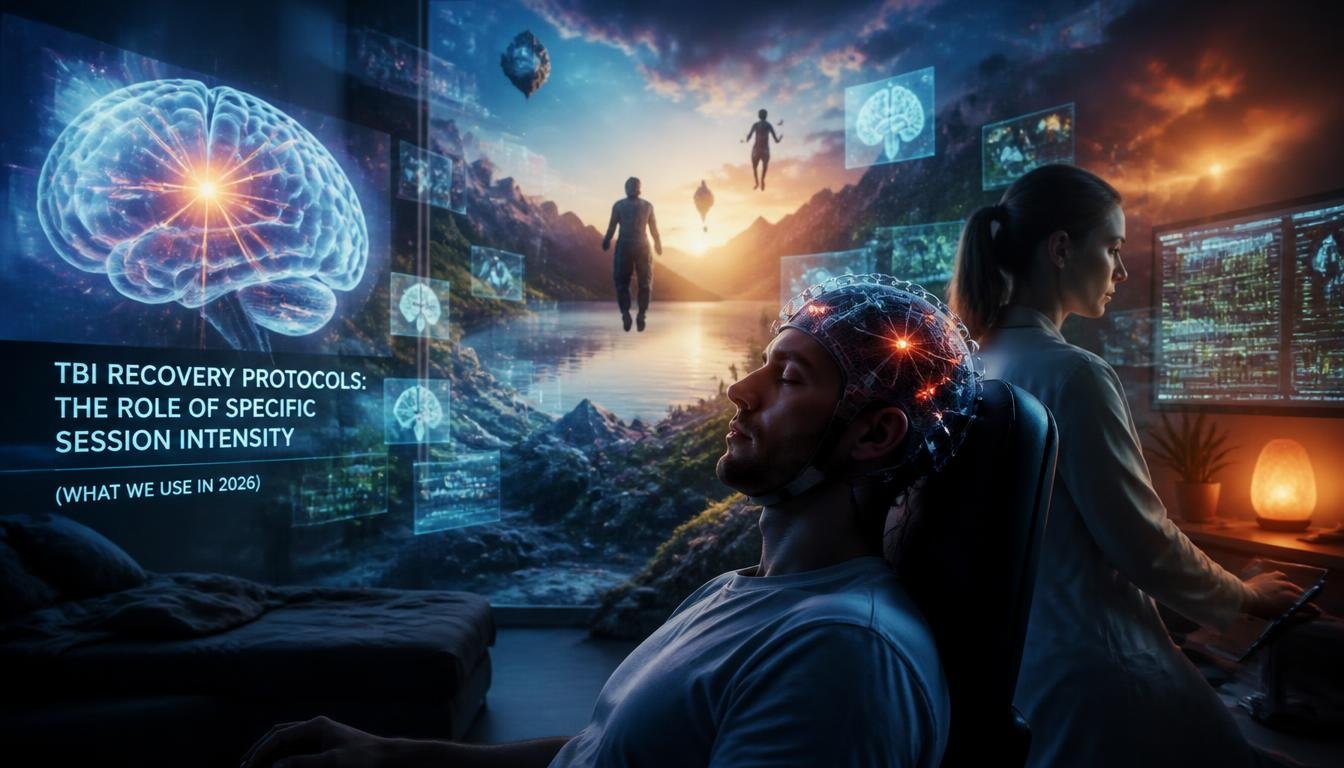
- tDCS systems, modulate cortical excitability to enhance learning
- EEG-based feedback, track cognitive states in real time
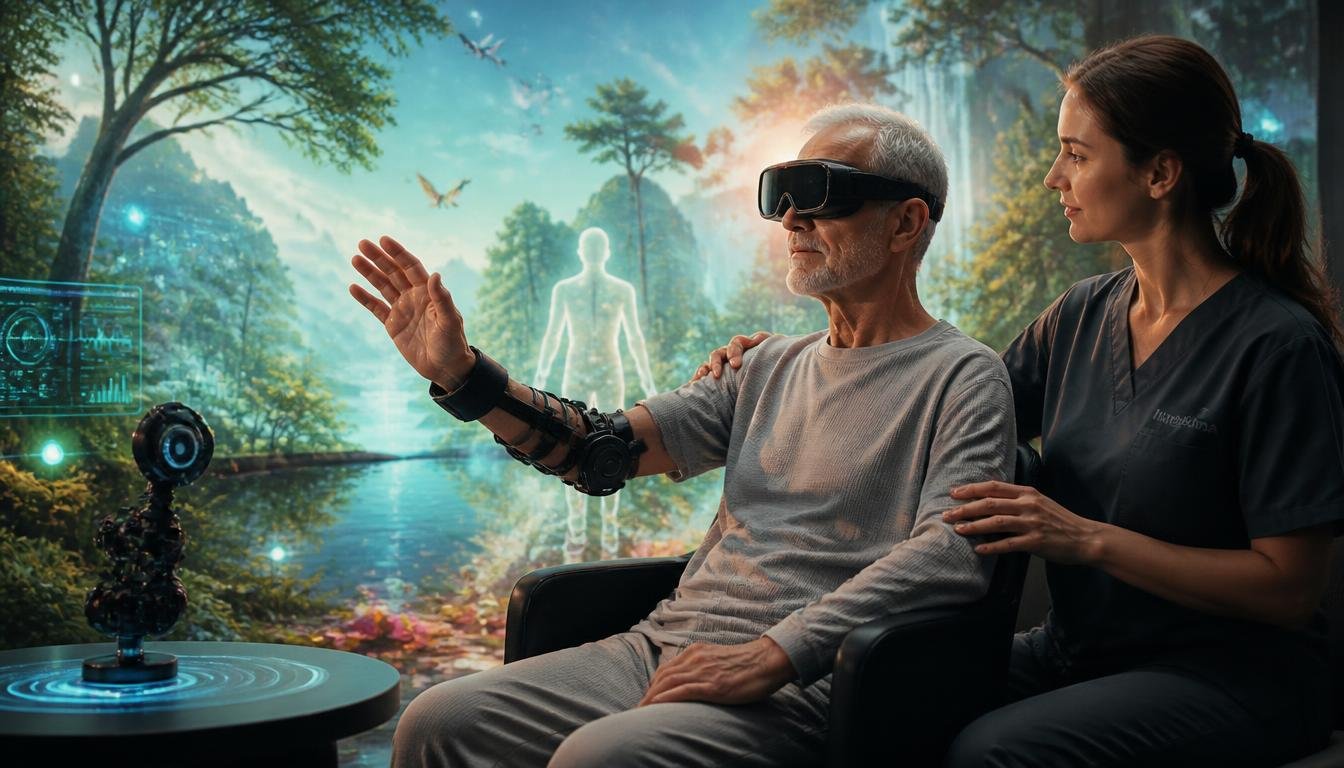
- Dual-task VR training, integrate cognitive and motor demands
- Wearables, monitor sleep and recovery to optimize BDNF cycles
For a deeper breakdown, see our analysis of brain training technologies in 2026.
Lifestyle Inputs That Make or Break Brain Training for Career Longevity
Training alone is not enough. Biology sets the ceiling.
Sleep, movement, and metabolic health directly influence neuroplasticity capacity. Ignore them, and even the best protocols underperform.

- Sleep, consolidates learning and regulates BDNF expression
- Strength training, linked to executive function improvements
- Cardiovascular activity, supports neurogenesis
- Stress regulation, prevents cognitive resource depletion
This is not lifestyle advice. It is neurological infrastructure.
Personalization: The Missing Link in Brain Training for Career Longevity
Generic programs fail for a simple reason. Brains are not generic.
Every protocol we deliver is grounded in published research and adapted to the individual in front of us, not a generic profile, not a marketing persona, but a specific person with specific goals, a specific history, and a specific brain.
This is where most platforms fall short. They scale content, not outcomes.
Personalized cognitive longevity protocols are explored further in preventative longevity frameworks.
The Gap Between Research and Reality
Neuroplasticity Solutions grew out of a frustration shared by clinicians, researchers, and clients alike.
The science exists. The application often does not.
This gap shows up everywhere, oversimplified apps, exaggerated claims, and a lack of measurable outcomes.
You will never hear us promise to “reverse ageing” or “unlock 100% of your brain.” Those phrases belong in marketing copy, not in a clinical setting.
How to Start Brain Training for Career Longevity Today
Start simple, but start correctly.
Focus on:
- Structured cognitive challenges that adapt to your performance
- Consistent physical training to support BDNF production
- Sleep optimization as a non-negotiable
- Tracking measurable metrics, not subjective feelings
For emerging approaches, including AI-supported metacognition and brain mapping, explore current neuroplasticity trends.
Conclusion: Brain Training for Career Longevity Is a Long-Term Investment
Brain training for career longevity is not a quick intervention. It is a sustained process built on evidence, consistency, and measurable progression.
Whether you are a high-performing professional looking to sharpen your edge, a senior aiming to preserve memory, or someone navigating career transitions, the goal is the same, maintain a brain that can adapt.
Because in 2026, adaptability is not a competitive advantage. It is the baseline.

Keeping your cognitive skills sharp can significantly boost your career longevity and long-term earning potential.
Frequently Asked Questions
What is brain training for career longevity in simple terms?
Brain training for career longevity is a structured, evidence-based way to maintain learning speed, memory, and adaptability so you can stay competitive in your field over time.
Does brain training for career longevity actually work in 2026?
Yes, but only when it is based on measurable protocols that target neuroplasticity, not passive activities like puzzles or trivia apps.
How often should I do brain training for career longevity?
Most effective protocols follow dosing principles, meaning frequency and intensity are calibrated, typically several sessions per week with progressive difficulty.
Is brain training for career longevity better than learning new skills?
They are connected. Brain training improves your ability to learn new skills faster, making reskilling more efficient and sustainable.
What are the best tools for brain training for career longevity?
Clinical-grade systems, adaptive cognitive platforms, and neurotechnology like EEG or tDCS outperform consumer apps when used correctly.
Can brain training for career longevity prevent cognitive decline?
It can significantly delay or reduce decline by maintaining synaptic plasticity and supporting ongoing neurogenesis when combined with proper lifestyle inputs.
Is brain training for career longevity worth the effort?
If your career depends on thinking, learning, and adapting, then yes. In 2026, cognitive performance is directly tied to long-term professional viability.