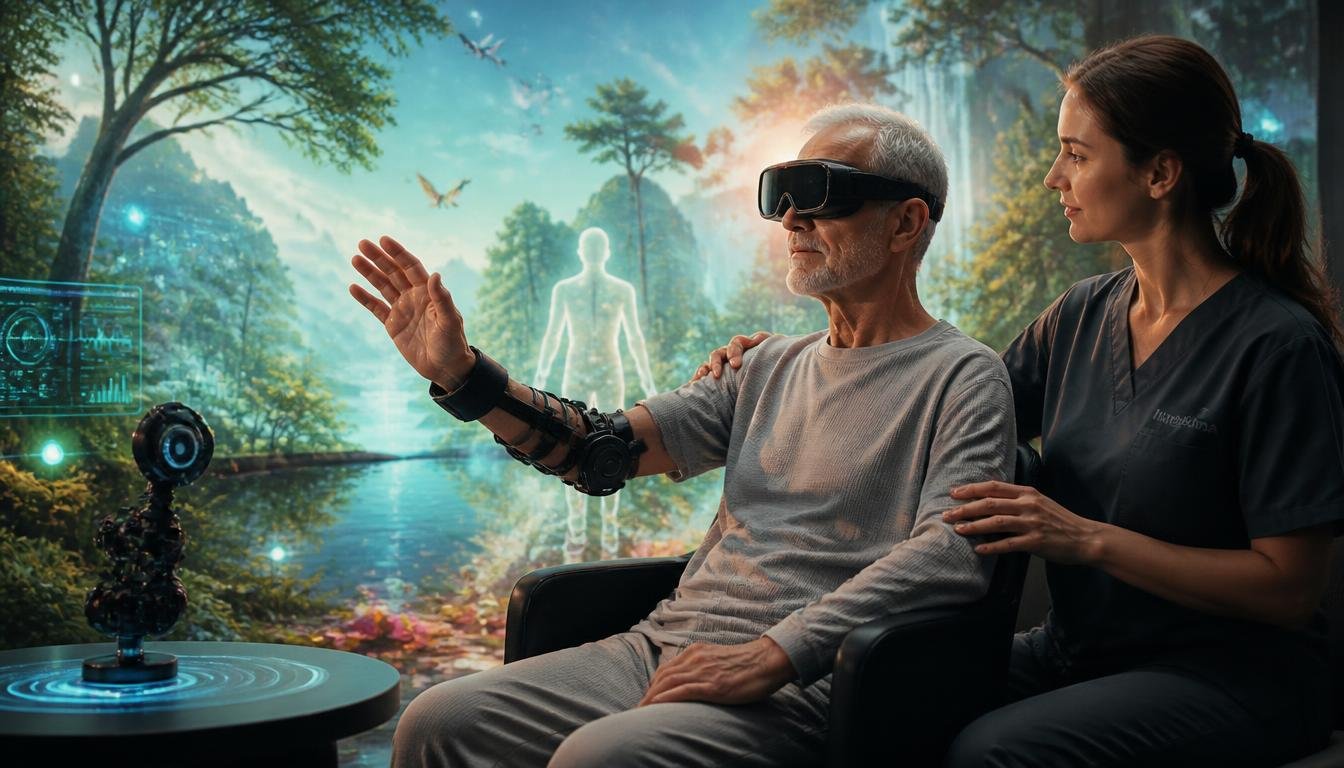
CTE can show up years after repeated head impacts, and in 2026 the conversation remains uncomfortably real because a case reported by AP News linked a deadly incident to the same CTE-related brain disease.
Key Takeaways
| 1) What cte is | CTE, or chronic traumatic encephalopathy, is a progressive brain disease associated with repeated head trauma over time. |
| 2) Risk is cumulative | The most consistent prevention theme in 2026 is reducing exposure, plus improving outcomes after concussion or injury through measurable neuro-rehabilitation. |
| 3) Prevention starts now | Modern approaches prioritize neuro-rehabilitation strategies used with contact sports athletes. See our CTE prevention in 2026 for contact sports. |
| 4) Cognitive recovery needs dosing principles | Static difficulty and passive “brain games” do not meet the threshold. Training should be targeted, measurable, and progressed at the edge of ability. |
| 5) Neurofeedback may support focus and executive function | Our 2026 guide covers neurofeedback protocols for focus and executive function. |
| 6) Evidence over enthusiasm | You will never hear us promise “reverse ageing” or “unlock 100% of your brain.” Those phrases belong in marketing copy, not clinical protocols. |
What cte (Chronic Traumatic Encephalopathy) actually means
When people ask about cte, they are usually looking for a simple answer: What is it, who is at risk, and what can you do in 2026 to reduce long-term harm.
CTE, short for chronic traumatic encephalopathy, is a neurodegenerative condition linked to repeated head trauma. In the real world, that history might include contact sports exposure, repeated concussions, or other patterns of injury that involve the brain being repeatedly stressed.
What matters clinically is the pattern. Not one impact and then life continues as normal, but repeated injury over time, with a gradual shift in how the brain functions.
- Behavior and mood changes can appear in later stages.
- Cognitive difficulties may become more noticeable, especially with multitasking, memory demands, and attention load.
- Neurologic symptoms can evolve as the disease progresses.
And yes, prevention and recovery should start with the basics: fewer injuries, better concussion handling, and neuro-rehabilitation that is measurable, not vague.

Why repeated head impacts raise cte risk, and why prevention is the main lever in 2026
If you want one guiding principle for cte prevention in 2026, it is this: reducing exposure comes before “fixing later.” The brain takes time to recover from any concussion, and repeated injury can interfere with that recovery window.
Our clinical stance is straightforward. We focus on research-to-practice, with evidence-based protocols and dosing principles, because neuro-rehabilitation is not guesswork. Modern neuro-rehabilitation is a measurable process, with clear progress markers and real follow-through.
In contact sports, prevention is not only about rules or protective gear. It is also about post-impact response, rehabilitation quality, and returning someone to play based on actual recovery, not schedules.
Practical prevention priorities (not vibes)
- Stop the repeat: address concussion promptly, remove from risk, and follow a structured return plan.
- Use a recovery protocol: progressive cognitive and physical loading, tailored to deficits, not generic worksheets.
- Track measurable change: symptoms, function, and cognitive performance should show movement, not plateaus.
- Build neuro-rehabilitation into training: prevention is also long-term conditioning of the nervous system.
If you want a contact-sports-focused overview of prevention in 2026, start with our post on CTE prevention in 2026 advances in neuro-rehabilitation for contact sports.
CTE symptoms and progression: what people report in the real world
CTE does not look identical in every person. But across reports and clinical patterns, people often describe changes that do not match “normal aging” or a single day of stress.
When we explain cte in a clinical setting, we also address the uncomfortable gap between public narratives and how recovery is actually measured. You do not get meaningful prevention advice from vague timelines. You get it from measurable function and a clear plan after each injury.
Common categories of change
- Cognitive issues: attention problems, slower processing, difficulties with executive function.
- Emotional and behavioral changes: irritability, mood variability, reduced impulse control.
- Neurologic symptoms: coordination difficulties and other signs that reflect progressive impact on the brain.
Important note: if you are currently dealing with concussion symptoms or cognitive changes after head impacts, this is where recovery strategy matters most. The goal is to reduce ongoing harm and support the brain’s capacity for repair and adaptation through targeted neuro-rehabilitation.
Best concussion recovery protocols in 2026: measurable loading, not passive brain training
People often search for “the best concussion recovery protocol” because they want certainty. In 2026, our answer is not a slogan. It is a structured recovery plan that uses dosing principles, measurable intensity, and individualized targets.
We do not treat cognition like entertainment. Static difficulty, predictable puzzles, and passive scrolling through trivia do not meet that threshold. If training does not create measurable change, it is not doing the job you think it is doing.
What a rigorous recovery protocol should include
- Baseline measurement for cognitive and symptom profile.
- Targeted cognitive training tied to specific deficits, not generic “memory improvement.”
- Physical loading progression where appropriate, coordinated with cognitive work.
- Progress tracking so the protocol adapts when the brain adapts.
- Return-to-activity criteria based on readiness, not calendar time.
If your context is broader than CTE and you want a full picture of neurological recovery approaches in 2026, explore neurological recovery and our practical longevity strategies in best preventative longevity strategies.
Neurofeedback for focus and executive function in cte prevention and recovery support
When someone asks about cte, they are often looking for cognitive support strategies. Neurofeedback is one tool that can fit into a broader neuro-rehabilitation plan, especially when focus, executive function, and attention control are involved.
In 2026, we treat neurofeedback with the same clinical lens as any other intervention. It should be protocol-driven, monitored, and integrated with other training so that improvements are measurable and repeatable.
Our reference point for this approach is our guide on neurofeedback protocols for focus and executive function.
Where neurofeedback tends to fit best
- When attention control and cognitive consistency are key barriers.
- When executive function problems affect daily functioning, work output, or rehabilitation compliance.
- When you need a structured signal for training progression, not random adjustments.
Not every case needs neurofeedback. But if your brain’s performance is fluctuating, structured protocols can help you turn “trying” into a controlled rehabilitation plan.
How we design evidence-based cte prevention and neuro-rehabilitation plans
CTE prevention is not a single exercise. It is a system. And the biggest mistake we see is treating the nervous system like a generic container for “more activity.”
Modern neuro-rehabilitation is built around measurable progress. Every protocol we deliver is grounded in published research and adapted to the individual in front of us. Not a generic profile, not a marketing persona, but a specific person with specific goals, a specific history, and a specific brain.
That is why our process focuses on the gap between what the science says and what the unregulated public market offers. You need protocols you can dose, track, and adjust.
Our core clinical principles (the “no nonsense” version)
- Edge-of-ability training: you progress at the boundary where the brain has to adapt.
- Measurable outcomes: symptoms and cognitive function should shift, not just “feel better.”
- Structural plasticity support: training and movement work together to support adaptation.
- Neurobiological targets: we treat Brain-Derived Neurotrophic Factor (BDNF) as your brain’s “repair protein,” supported by training, movement, and lifestyle.
We keep the focus on what we can justify clinically. You will never hear us promise “reverse ageing” or “unlock 100% of your brain.” Those phrases belong in marketing copy, not in a clinical setting.
When to seek help for cte risk, concussion recovery, or persistent cognitive symptoms
If you have a history of repeated head impacts or you are dealing with lingering concussion symptoms, you should not wait for a dramatic change. The best time to build a recovery plan is when you still have room to adapt efficiently.
In 2026, we recommend seeking a clinically grounded evaluation when you notice ongoing cognitive or functional issues, especially attention and executive function problems that interfere with daily life.
Signs it is time to get an evidence-based plan
- Symptoms persist beyond the expected recovery window.
- You have recurring cognitive fatigue or reduced performance under mental load.
- Focus and executive function feel inconsistent, even when you “rest.”
- Your return-to-activity plan has stalled because symptoms keep returning.
For a broader pathway through the neurological recovery landscape, our neurological recovery category helps you connect prevention, concussion recovery, and neuro-rehabilitation concepts without bouncing around.
Conclusion: cte prevention and recovery in 2026 is a measurable plan, not a vague hope
CTE (cte) is tied to repeated head trauma, and in 2026 the clearest path forward is still prevention plus rigorous concussion and neuro-rehabilitation. Evidence over enthusiasm. Static difficulty, predictable puzzles, and passive scrolling through trivia do not meet that threshold.
If you want better outcomes, you need measurable progress, dosing principles, and protocols that adapt to your specific deficits. That is what turns “recovery” into a real clinical process, with the goal of cognitive longevity and the best possible brain repair support over time.
Frequently Asked Questions
What is cte and how is it different from a concussion?
CTE (chronic traumatic encephalopathy) is associated with repeated head impacts over time and is linked to a progressive pattern of brain changes. A concussion is an acute injury, while cte is about longer-term disease risk and development.
Can cte be prevented if you play contact sports in 2026?
You can reduce cte risk by lowering exposure, treating concussions promptly, and using structured neuro-rehabilitation. In 2026, the most credible approach combines prevention strategies with measurable recovery protocols rather than hope-based “brain exercises.”
What are the early symptoms of cte people should watch for in 2026?
Early issues related to cte risk often involve changes in cognition, attention, executive function, mood, or behavior, sometimes long after injury exposure. If cognitive symptoms persist or interfere with daily function, you should seek an evidence-based assessment and plan in 2026.
Is neurofeedback worth considering for cte-related cognitive problems?
Neurofeedback can be part of a broader cte recovery support strategy when focus and executive function are key targets. In 2026, the deciding factor is whether neurofeedback is delivered via protocol with measurable outcomes, not casual experimentation.
What does an evidence-based concussion recovery protocol look like in 2026?
An evidence-based protocol for cte risk and concussion recovery includes baseline measurement, targeted cognitive and physical loading, and progress tracking with dosing principles. The goal is to create measurable brain adaptation, not passive training or generic brain games.
How long does cognitive recovery take after repeated head impacts?
There is no single timeline that fits every person, especially when cte risk involves cumulative exposure. In 2026, recovery is judged by measurable changes in symptoms and cognitive function, and the plan adjusts based on what your brain demonstrates.
What should I do first if I’m worried about cte risk?
Start by building a clinically grounded plan that reduces ongoing risk and addresses current symptoms with measurable neuro-rehabilitation. If you are still in recovery, prioritize structured concussion management and targeted cognitive training designed with dosing principles.