In 2026, prevention of cte has to start with one unglamorous fact: there is no reliable way to diagnose CTE in a living person. That means you cannot “wait and see,” you have to reduce the upstream risk factors that likely contribute to chronic brain injury over time.
| What to do | Why it matters for the prevention of cte |
|---|---|
| Reduce head-impact exposure where possible | Less cumulative insult, less chance for progressive neuroinflammation and injury-related cascade. |
| Use rigorous neuro-rehabilitation methods after injuries | You are targeting recovery processes, not just “mental activity.” |
| Train cognition with dosing principles | Brain change tends to show up at the edge of current ability, with measurable progression. |
| Treat sleep, movement, and lifestyle as neuro-repair inputs | These support neuroplasticity and downstream repair signaling, including BDNF-related processes. |
| Ignore “viral coherence” hype and brain-game promises | You need evidence-based targets, measurable intensity, and real follow-through, not vibes. |
| Follow a prevention-forward long-term plan | Cognitive longevity is built over time, especially after repeated concussion exposure. |

There is still no way to diagnose CTE in a living person, which is why prevention matters most.
Prevention of cte is different from “treatment after diagnosis,” because CTE cannot be confirmed during life. So the strategy has to be upstream, focused on reducing repeated head impacts and improving brain recovery dynamics after injuries.
We see a predictable pattern in clinics and in public discourse, people want a single magic lever. But neurobiology does not work like marketing. You need a multi-input plan, the kind that respects dose, timing, and measurable progression.
In 2026, the most useful prevention mindset is this: minimize future injury exposure where you can, and maximize recovery capacity where you must. That is the evidence-based frame that keeps prevention honest.
The prevention of cte conversation always circles back to head-impact exposure. That does not mean you panic, it means you make fewer preventable impacts and respond to symptoms more conservatively.
For many people, the actionable questions look like this:
Evidence over enthusiasm. When the injury risk is ongoing, prevention is not a single supplement or a single session. It is the sum of exposure decisions and recovery follow-through.
If you want a broader prevention-forward lens for cognitive longevity, explore our Preventative Longevity category. It is where we keep the long-term, prevention-minded framing rather than short-term brain hacks.
After head injury, many people do one of two things. They either rest passively and hope, or they push back into demanding cognition before recovery has stabilized. Neither approach reliably supports the kind of neuro-repair you need for prevention of cte.
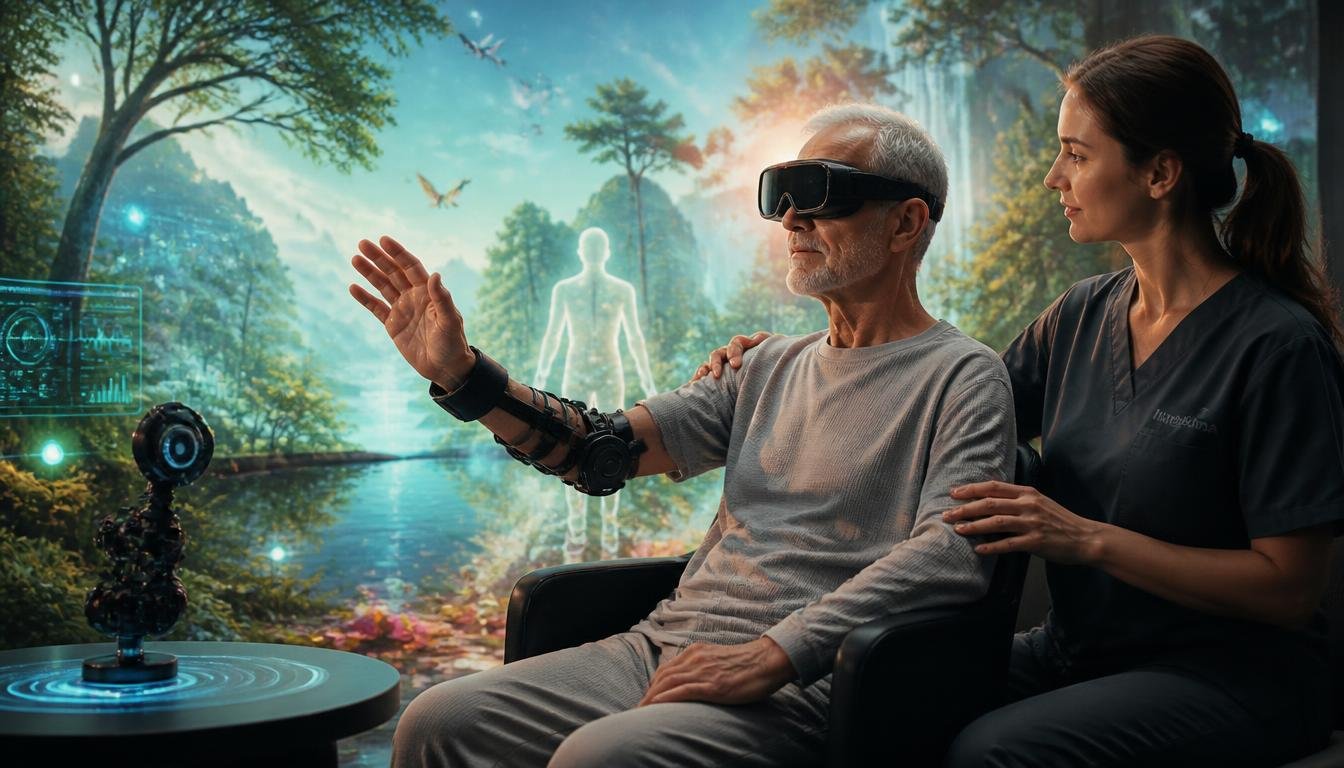
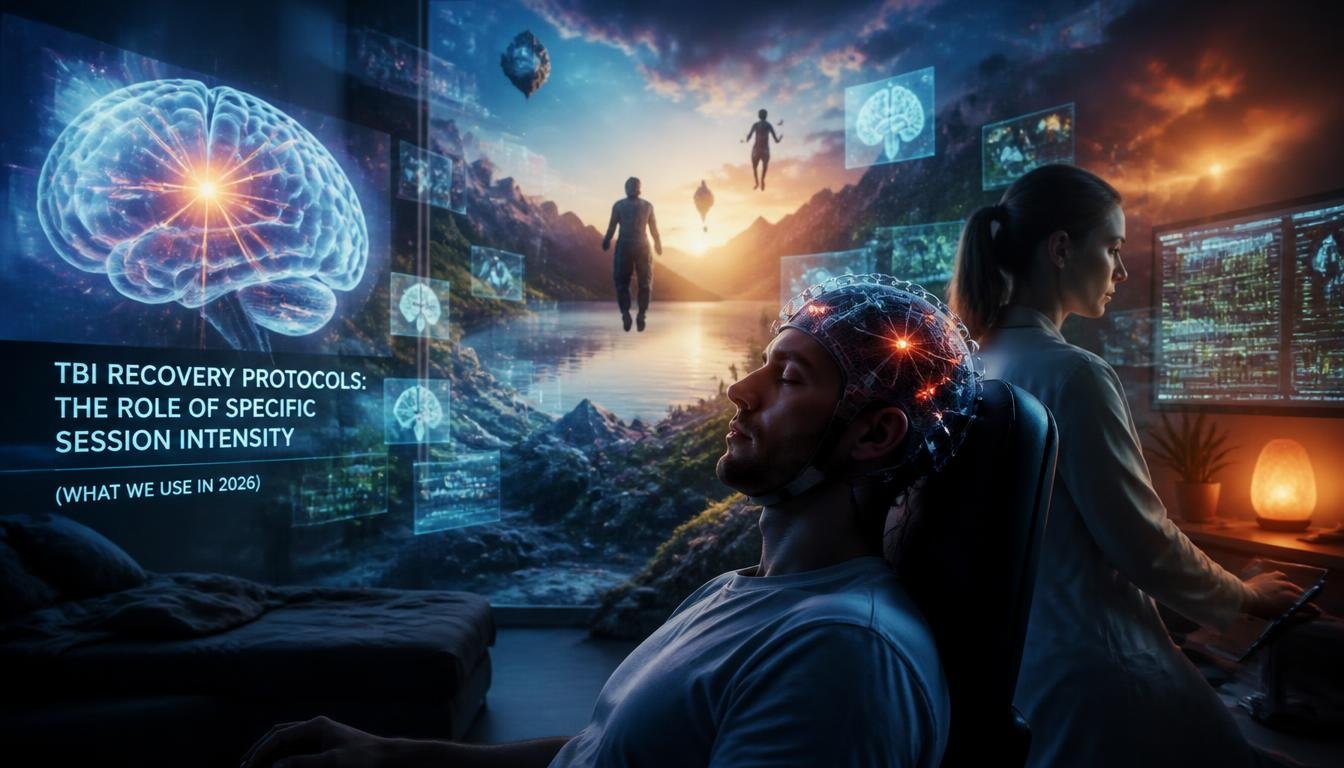
In 2026, clinical neuro-rehabilitation is built around measurable processes, clear dosing principles, and real follow-through. That means recovery is not “vibes,” it is a plan you can track.
Here is the evidence-aligned structure we recommend for post-injury recovery planning:
Our 2026-relevant recovery framework is explained in the Neurological Recovery 2026 Guide. We are careful about promises. You will never hear us promise to “reverse ageing” or “unlock 100% of your brain.” Those phrases belong in marketing copy, not in a clinical setting.
Prevention of cte is not only about avoiding new injuries. It is also about improving the brain’s ability to recover from repeated insults.
We treat Brain-Derived Neurotrophic Factor (BDNF) as your brain’s “repair protein,” supported by training, movement, and lifestyle. The point is not to worship one molecule. The point is to choose interventions that plausibly engage neuroplasticity and neurogenesis-related processes, rather than random cognitive stimulation.
Every protocol we deliver is grounded in published research and adapted to the individual in front of us, not a generic profile, not a marketing persona, but a specific person with specific goals, a specific history, and a specific brain.
To keep this grounded, we avoid the two common failure modes:
If you are comparing training approaches, start with Cognitive training vs memory apps. Static difficulty, predictable puzzles, and passive scrolling through trivia do not meet the clinical threshold we look for.
In 2026, misinformation spreads faster than evidence. People hear a catchy phrase, then try to use it as a substitute for a prevention of cte plan.
You have probably seen viral claims about coherence, exotic devices, and certainty where biology only offers probability. We do not dismiss curiosity, but we demand rigor.
One example of how we separate science from hype is our post on the “Schumann Ignition” viral coherence trend. The key takeaway is the same as in prevention of cte work, do not confuse attention-catching narratives with interventions that have measurable dosing principles and clear targets.
Evidence over enthusiasm. You need measurable progress, not vibes.

When people ask about prevention of cte, they often want a checklist. A checklist helps, but the more important question is what kind of training actually drives brain change.
Modern neuro-rehabilitation is no longer guesswork. It is a measurable process built on rigorous evidence, clear dosing principles, and real follow-through.
In practice, a prevention-forward plan typically includes:
If you want to browse prevention-minded material, our Preventative Longevity (page 2) keeps the focus on long-term brain health rather than short-term novelty.
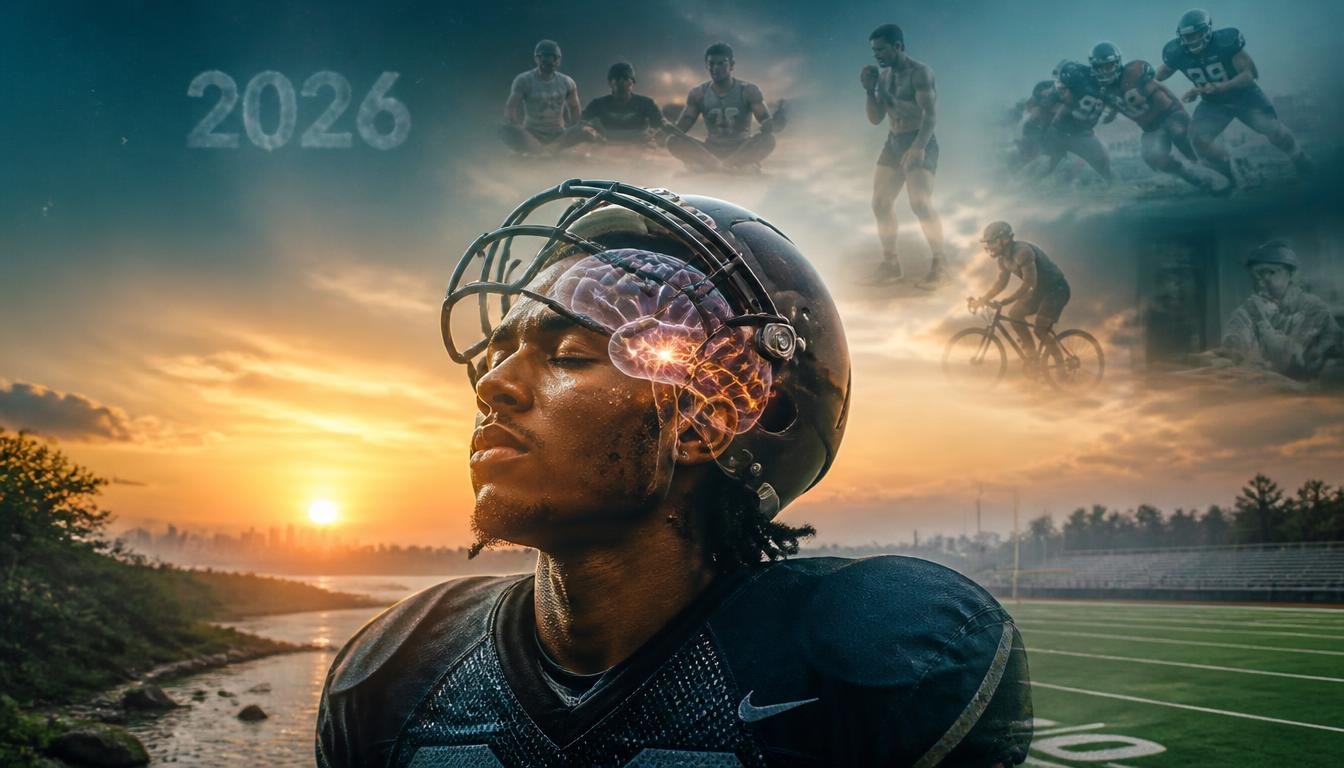
Prevention of cte is most urgent for people with repeated exposure, like contact athletes, military-related roles, or anyone with multiple concussion events. It is also urgent for people recovering from traumatic brain injury, because that history changes what your brain needs next.
We treat this as a professional, clinical problem. Neuroplasticity Solutions grew out of a frustration shared by clinicians, researchers, and clients alike. Whether you are a high-performing professional looking to sharpen your edge, a senior aiming to preserve memory, or someone recovering from a neurological event, our local expertise provides a proactive roadmap for cognitive longevity.
If your starting point involves traumatic brain injury, you can read about our approach here: Professional services: traumatic brain injury.
And if your recovery includes motor challenges after neurological events, we also cover motor skill restoration strategies, which are often part of a broader recovery-to-cognition pathway. See Stroke rehab motor skill restoration.
Lifestyle is not “extra.” In a prevention of cte plan, lifestyle is the environment that helps neuro-rehabilitation work.
We focus on the inputs most consistently tied to measurable brain function and recovery capacity, including:
We do not treat lifestyle like a substitute for targeted training. We treat it like a co-factor for brain repair. That is the biological way to keep prevention honest in 2026.
Here is the part most people skip. They try to evaluate a plan by how confident it sounds. Confidence is cheap. Evidence is not.
Use these filters when you are assessing prevention of cte options:
Modern protocols are not mystical. They are structured training with measurable intensity, appropriate progression, and follow-through, designed to support structural plasticity and recovery capacity.
If you want to understand why we push against passive or vague approaches, our broader explanation of neuroplasticity training philosophy is summarized across our site, starting at Neuroplasticity Solutions (Cognitive Longevity, Neurological Recovery, Preventative Longevity).
Prevention of cte in 2026 is not a single product or a viral protocol. It is a disciplined combination of reducing future head-impact exposure, supporting recovery after injury, and using neuro-rehabilitation with dosing principles and measurable outcomes.
Because CTE cannot be diagnosed in a living person, you do not get to “wait.” You build cognitive longevity with evidence-based training, repair-focused inputs like BDNF-related pathways, and a long-term plan you can track. Evidence over enthusiasm, measurable progress over vibes.
Prevention of cte means reducing the factors that likely drive chronic brain injury, especially repeated head impacts, and improving recovery capacity after concussion. Since there is no living diagnosis you can rely on, prevention has to be upstream and measurable in 2026.
Start by reducing contact exposure where possible and following conservative return-to-play decisions after symptoms. Then use structured neuro-rehabilitation with clear dosing principles and progress tracking, not generic brain games or passive activities.
Not automatically. For prevention of cte, you need targeted training that supports recovery with measurable intensity and progression, and most consumer apps do not provide that clinical structure. We explain the difference in Cognitive training vs memory apps.
BDNF is often treated as a repair signaling factor in neuroplasticity-focused interventions, which is why we frame it as your brain’s “repair protein.” In a prevention of cte plan, the goal is to support neuro-rehabilitation processes that plausibly engage BDNF-related repair pathways through training, movement, and lifestyle.
Stabilize symptoms, then move into targeted neuro-rehabilitation rather than passive waiting or rushing back into full cognitive load. A prevention of cte plan should use measurable outcomes and adaptive intensity near the edge of current ability.
In 2026, evidence-based prevention of cte should explain dosing principles, specify targets, and include measurable progress checks. If the plan relies on certainty, viral claims, or vague “brain optimization” language without clinical tracking, it is not rigorous enough.