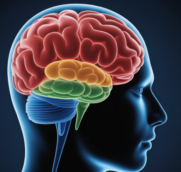

In 2026, the biggest surprise we keep seeing is how “small” the training time actually has to be before memory changes show up, with working memory improvements emerging only after at least 21 hours of total neurofeedback training.
| What it is | EEG neurofeedback memory uses brain-signal feedback to help you train the networks involved in learning, attention, and recall. |
| What matters most | Dosage (enough sessions and total training time) and specificity (targeting the right brain rhythms). |
| What you should expect | Measurable changes, not just “feel good” sessions, especially when protocols track progress. |
| Home vs clinic | In 2026, at-home platforms are expanding, but you still need structured protocols and objective baselines. |
| Best practice combo | Pair EEG neurofeedback memory work with memory retention habits, sleep, and consistent cognitive training routines. |
| Where we start | Baseline assessment, a repeatable schedule, and follow-through you can track, then adjust. |
EEG neurofeedback memory is different from “brain games” because we’re not just asking your brain to work harder, we’re giving it targeted feedback. Over time, that feedback can help you train the rhythms and attention-control systems that support memory formation and retrieval.
But here’s the part people miss, you need dosage. In 2026, the research conversation is increasingly about total training time and number of sessions, not just access to a device. That’s why we advise structured plans that accumulate enough active training hours to reach a point where changes are more likely to show up.
In our approach, we also prioritize specificity. Instead of random exercises, we focus on the brain systems most relevant to memory, attention, and cognitive resilience. We then track follow-through with objective markers, so you can see whether the training is landing.
Our rule: neuroplasticity solutions should be measurable, repeatable, and adjustable, not vague or “natural” in the sense of being random.
If you’re choosing an EEG neurofeedback memory protocol, you’re really choosing three things: what gets targeted, how the dose is structured, and how progress is measured. In 2026, the “best” programs feel more like training plans than one-off sessions.
Here are the protocol features we think matter most:
If you want a roadmap that connects cognitive goals to measurable training doses, we recommend starting with the broader framework in Neuroplasticity Solutions, measurable training dose and targeted brain systems. It’s where our dosage-first philosophy comes from.
In 2026, people compare EEG neurofeedback memory to memory apps, and we get why. Both can be done at home. Both can look “easy” to start.
The difference is what the training is trying to do. Memory apps are usually task-based practice, like recall drills, pattern matching, or attention exercises. EEG neurofeedback memory adds a feedback loop, where your brain activity gets used as the signal that guides training intensity and direction.
So in practice, we like a combination mindset:
That’s also why we publish content on evidence-based cognitive training options. If you want the “what works” vs “what doesn’t” comparison, check cognitive training vs memory apps, what works for seniors in 2026.

EEG neurofeedback memory is a key piece, but we do not treat memory like a single-button fix. Memory consolidation depends on sleep, movement, nutrition, and consistent cognitive practice, so we build plans around the full memory process.
In our memory retention framework, the goal is to make your training “stick” day to day. That means doing the EEG sessions as planned, then pairing them with memory retention habits that support recall and long-term storage.
Here’s a simple weekly structure we use in 2026:
If you want the habit side of the plan, start with memory retention habits that actually work in 2026. It ties the routines directly to memory retention and recall.
If your memory goal is recovery-based, not just enhancement, you need a different kind of pacing. In 2026, the best programs still keep the same principles, dosage, specificity, and objective follow-through, but they emphasize graded activity and symptom monitoring.
That’s why we think EEG neurofeedback memory should sit inside a larger neuro-rehabilitation plan when you’re working through injury-related changes. Neuro rehabilitation is often multi-modal, meaning you get coordinated training that targets reorganization and recovery through several pathways.
For a clear view of how we define and build neuro-rehabilitation programs, visit our neuro rehabilitation collection, what it is and what it isn’t. It includes neurofeedback as part of a broader set of evidence-aligned approaches.
Some clients in 2026 want to combine EEG neurofeedback memory work with additional brain-signal support. We’re cautious about “stacking” without a plan, but we do believe there’s value in using multi-protocol strategies when they’re structured.
One example from our catalog is Genius Switch: Activate Your Brain’s BDNF, which uses 40Hz gamma audio stimulation designed to support BDNF production and gamma-driven neuroplastic changes. It’s a non-invasive audio protocol that includes a downloadable audio file and a PDF guide for optimizing listening sessions.
If you want the exact product details, pricing, and how to use it alongside your broader plan, see Genius Switch: Activate Your Brain’s BDNF with 40Hz gamma audio. The current price is $39.

If your goal is EEG neurofeedback memory as part of a longer-term plan, think “program” instead of “device.” In 2026, the most reliable outcomes come from structured follow-through, not sporadic training.
When we help people choose, we typically start with their situation and constraints:
For the bigger picture of memory preservation and evidence-based planning, we suggest reading preventative longevity for brain health in 2026, plus our full program blueprint in memory preservation program in 2026.
EEG neurofeedback memory is not only for individuals. In 2026, organizations increasingly treat cognitive performance as part of resilience and job readiness. That means programs designed for consistent training, measurable outcomes, and repeatable schedules.
Our corporate approach frames leaders as “cognitive athletes,” and builds training tracks around focus, memory, and resilience. If you want to compare how we structure corporate training programs, visit corporate cognitive training programs.
And if you’re planning for teams, it helps to pair cognitive training protocols with memory-supporting habits, so employees can apply new capacity rather than just complete sessions.
EEG neurofeedback memory in 2026 is most effective when we treat it like training with dosage, clear targeting, and objective follow-through. We also see better results when it’s paired with memory retention habits, sleep, movement, and consistent cognitive practice.
If you want a straightforward starting point, we recommend building from a measurable plan like our memory preservation program in 2026, then supporting the process with memory retention habits that actually work in 2026. That combination is how we help EEG neurofeedback memory translate into real recall and cognitive longevity.
In 2026, working memory improvements are reported to emerge after at least 21 hours of total neurofeedback training, which usually maps to roughly 30 sessions. That’s why we recommend planning EEG neurofeedback memory like a program, not a quick experiment.
EEG neurofeedback memory and memory apps can both help, but they work differently. Neurofeedback adds a brain-signal feedback loop, while apps typically train skills through tasks, so the best results often come from combining both structured approaches.
At-home EEG neurofeedback memory training is more common in 2026, and some people do see positive outcomes when protocols are structured and progress is tracked. Still, baseline assessment and clear pacing matter a lot, so you know you are staying on-dose.
Look for clear targeting (what brain rhythms or networks are being trained), dosage structure (enough sessions and total time), and objective progress tracking. If the plan does not help you monitor follow-through, it is harder to know whether EEG neurofeedback memory is doing what it should.
It can be part of neuro-rehabilitation, but the protocol should be graded and closely aligned with symptom monitoring. For recovery goals, we prefer EEG neurofeedback memory to sit inside a broader, multi-modal neuro rehabilitation plan.
Costs vary widely depending on whether you use at-home platforms, clinic programs, or add-on protocols. For example, one support option we offer is Genius Switch at $39, and it can complement a structured EEG neurofeedback memory plan.