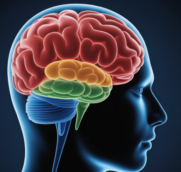

Neurological recovery is not a motivational concept, it is a measurable biological process, and one of the biggest access gaps is brutally clear: fewer than one in four people with stroke receive inpatient rehab after hospitalization.
| What neurological recovery requires | Brain plasticity, task-specific repetition, and a supervised dosing plan (not vibes). |
| Why “brain games” fall short | Static difficulty, predictable puzzles, and passive scrolling through trivia don’t meet the threshold for structural plasticity. |
| 2026 reality check | Modern neuro-rehabilitation is no longer guesswork, it is a measurable process built on rigorous evidence, clear dosing principles, and real follow-through. |
| Primary clinical target we focus on | BDNF as your brain’s “repair protein,” supported by training, movement, and lifestyle. |
| Where to start | Read our 2026 neurological recovery framework, then match the plan to your specific deficits and goals: Neurological Recovery in 2026. |
| What to avoid | Generic training protocols that ignore specificity, supervision, and intensity progression. |
When people say they want neurological recovery, they often mean they want their brain to “feel normal” again. In 2026, we use a stricter definition, because you need measurable progress, not vibes.
Neurological recovery is the process of improving function after neurological injury through brain plasticity. That includes changes in how networks communicate, how skills are re-learned, and how behavior becomes more efficient. It is not passive healing, and it is not a single intervention.
In our 2026 framework, we focus on what neuro-rehabilitation can actually influence:
Every protocol we deliver is grounded in published research and adapted to the individual in front of us, not a generic profile, not a marketing persona, but a specific person with specific goals, a specific history, and a specific brain.
Even when someone is highly motivated, neurological recovery can be slowed by practical barriers. In the real world, access to structured neuro-rehabilitation is inconsistent, and that matters.
What this means for neurological recovery in 2026 is simple. If rehab intensity, repetition, and supervision do not start early enough, the window for relearning is narrower. And even after inpatient care, the plan often becomes inconsistent, which reduces the “dosage” your brain needs for structural plasticity.
We also see this problem translate into the home setting. Many people try to compensate with generic exercises, passive activities, or unstructured “try harder” routines. That can feel productive, but it often fails the basic neuro-rehabilitation requirement: specificity plus measurable progression.
If you are navigating access gaps, your goal is not to copy what worked for someone else, it is to secure the right training dose, in the right task domain, with supervision that corrects errors early.
Let’s make the mechanism practical. Neuroplasticity is the reason neurological recovery is possible, and in 2026 the best protocols are built around the levers that reliably drive plasticity.
Repetition and task specificity are the core. The brain changes most when practice is aligned with the neural circuits you need to retrain. Repeating random activities does not guarantee meaningful reorganization.
We treat Brain-Derived Neurotrophic Factor (BDNF) as your brain’s “repair protein,” supported by training, movement, and lifestyle. That does not mean BDNF is a magic switch. It means we build rehabilitation so your biology is actually challenged in the way neuro-rehabilitation expects.
Neuroplasticity Solutions grew out of a frustration shared by clinicians, researchers, and clients alike. The gap is real, published research does not always translate cleanly into the unregulated public market, where people are sold “programs” that do not specify dosing principles or measurable targets.
Neurological recovery is rarely just one problem. You might have motor deficits, language changes, attention problems, memory concerns, or slowed processing. Our rehab strategy matches that reality.
We integrate multiple rehab pillars, especially where patients need relearning, coordination, and cognitive efficiency:
If you are focused on movement after stroke or another neurological event, we recommend starting with our dedicated approach to motor skill restoration: stroke rehab and motor skill restoration. The same principles apply across many injury types, the details change based on what your brain is struggling to do.
For stroke-specific neurological recovery exercises, see neuroplasticity exercises for stroke recovery. We emphasize structured tasks, clear progression, and repetition that is designed to drive measurable change.
In 2026, home tools and emerging technologies are more available than ever. That is good news, but it also creates a new failure mode, people replace structured rehab with unsupervised device use.
Emerging tools can accelerate neurological recovery when they are used to maintain intensity and specificity between supervised sessions. But passive use does not create the same training signal as task-specific practice with feedback.
That’s why we talk about “accelerants” instead of replacements. The foundation stays the same:
The specialized web-based cognitive systems we point to in our clinical discussions are built around a fundamentally different design philosophy. Make it scientifically rigorous first, then make it accessible. That distinction matters in neurological recovery, because access without structure is just more noise.
If you are comparing approaches, start with our comparison of training versus memory apps: cognitive training vs memory apps. Static puzzles and predictable formats might feel engaging, but they often fail the “dose and specificity” test.

Fewer than 1 in 4 stroke survivors and just 1 in 7 brain injury patients receive inpatient rehab.
Neurological recovery after traumatic brain injury (TBI) can look different from stroke, but the neuro-rehabilitation logic does not change. You still need structural plasticity, specific training, and a dosing plan that matches the individual brain in front of you.
What changes is the symptom profile and the most effective training targets. Some people need more attention and processing efficiency work. Others need executive function support. Some need motor retraining. Many need all of the above.
For a professional services view of how we approach TBI, see professional services for traumatic brain injury. We keep the same skeptical standard: evidence-based, clinically grounded protocols, not generic “try this” plans.
Whether you are a high-performing professional looking to sharpen your edge, a senior aiming to preserve memory, or someone recovering from a neurological event, our local expertise provides a proactive roadmap for cognitive longevity. In neurological recovery terms, that means building habits and training that support sustained learning, not just short-term symptom relief.
You do not need more motivation. You need measurable progress, and that starts with choosing a plan that respects how neuroplasticity works.
Here is what we look for when we evaluate neurological recovery strategies. If a plan cannot answer these questions clearly, it is not a serious neuro-rehabilitation protocol.
That’s the difference between research-to-practice and marketing. Those phrases belong in marketing copy, not in a clinical setting. You will never hear us promise to “reverse ageing” or “unlock 100% of your brain.” Those claims are not evidence-based, and they do not reflect how neurological recovery works.
If you want to see how we frame neurological recovery in 2026, start here: Neurological Recovery in 2026.
People often judge neurological recovery by the first visible improvement. That is normal. But if you stop there, the gains can fade when training intensity drops or tasks become too easy.
In 2026, the strongest results come from thinking in phases. You start with deficit-driven rehabilitation, then you transition into maintenance that keeps your brain engaged at the right level of challenge.
This is where cognitive longevity becomes relevant. It is not a separate goal from neurological recovery. It is the method for sustaining the plastic changes you worked to create.
Our categories reflect that broader logic, from preventative longevity and lifestyle interventions to cognitive performance training strategies. You can treat these as supporting pillars, but the “main engine” stays the same, task-specific, measurable neuro-rehabilitation.
Neurological recovery in 2026 is achievable, but only when you treat it like a measurable clinical process. Evidence over enthusiasm. The brain changes with task-specific repetition, progressive intensity, and supervision that respects dosing principles, and we design training around BDNF as your brain’s “repair protein.”
If you take one lesson from this, make it this: don’t guess. Choose neurological recovery strategies that track measurable outcomes, integrate physical and cognitive training, and keep you challenged at the edge of current ability. That is how neuro-rehabilitation becomes more than hope, it becomes a structured, evidence-based path to lasting change.
Neurological recovery refers to measurable improvements in function driven by brain plasticity, not just a temporary reduction in symptoms. In 2026, we emphasize evidence-based, task-specific neuro-rehabilitation with clear dosing principles and measurable progression.
Often they are not sufficient for neurological recovery because many apps lack task specificity, supervision, and measurable dosing. Static difficulty and passive practice can fail to drive the structural plasticity you need, so we focus on evidence-based training instead.
There is no single timeline, because neurological recovery depends on injury type, severity, and whether practice is specific and consistently dosed. What we can say in 2026 is that measurable progress improves when rehabilitation is structured and maintained, not abandoned after the first gains.
BDNF is treated as a key biological repair signal in neuro-rehabilitation, which is why we align training, movement, and lifestyle to support it. Neurological recovery programs should build practice around the mechanisms that plausibly increase repair capacity, not just repetition for repetition’s sake.
A clinically grounded plan in 2026 includes task-specific training, progressive intensity, measurable outcomes, and supervision that corrects errors. If a program cannot explain dosing principles, it is probably not designed for neurological recovery.
Home-based exercises can accelerate neurological recovery when they extend supervised practice with the right intensity and specificity. However, unsupervised practice often becomes generic or inaccurate, so supervision and feedback remain important for measurable gains.