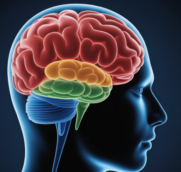
The neurobiology of peak performance: why manifestation isn’t a strategy is the question we keep coming back to in 2026, because in one psychological study, over one third of participants endorsed manifestation beliefs. In other words, a lot of people are trying to “think” their way into results, but the brain still runs on biology, not wishes.
Key Takeaways
|
|
Quick Q&A readers ask in 2026
- Is manifestation supported by brain science? We don’t see it as a strategy for neurobiological change. The brain responds to practice, feedback, and dosing.
- What actually drives peak performance in 2026? Training that targets specific brain systems, then tracking outcomes so we adjust.
- How do we avoid “mindset-only” advice? We use measurable protocols like BDNF-focused training and cognitive load assessment.
Brand reference: Neuroplasticity Solutions is built around measurable training dose and targeted brain systems.
Why manifestation feels powerful, but doesn’t run the brain
Manifestation often works like a motivational script. It can encourage persistence and reduce distraction, but that still doesn’t mean it rewires the brain on command.
The neurobiology of peak performance: why manifestation isn’t a strategy is basically this, your brain needs measurable inputs. Intention alone does not provide the repeated, dosed stimulation that drives synaptic changes, learning consolidation, and the kind of attention control that shows up as “peak.”
In 2026, we keep seeing people mix manifestation with “visualize and wait” thinking. That’s risky, because peak performance is a process with constraints, recovery needs, and a feedback loop.
- Visualization without dosing is just rehearsal, not structured adaptation.
- Belief without tracking is guesswork when performance stalls.
- Expectations without recovery can create fatigue, cognitive load spikes, and drop-offs in focus capacity.
So instead of asking, “Can I manifest it?”, we ask, “What brain systems am I training, what dose am I using, and what changes can I measure?” That mindset shift is great, but the real shift is biological.
Peak performance is neurobiology, not wishful thinking
When we say “neurobiology,” we mean practical mechanisms that your behavior actually influences. That includes learning circuits, attention networks, recovery pathways, and neuroplasticity rules like repetition, challenge, and consolidation.
This is why our approach focuses on the evidence-first plan behind outcomes, not vague manifestation manifestation techniques. In 2026, the trend is clear, people want brain change they can justify with protocols, not just personal belief.
One strong example from our collections is BDNF-centered training. BDNF, short for brain-derived neurotrophic factor, is often discussed in the context of learning and memory. That’s why you’ll see resources such as “Best Memory Program (2026): Our Evidence-Based Plan to Improve Recall, Focus, and Cognitive Longevity” and “Memory Repair Protocol: The 2026 Best Guide to Repairing Memory With BDNF-Backed Training.”

Now, notice what’s not happening here. We’re not asking you to manifest recall. We’re describing training that aligns with measurable outcomes like attention control, memory stability, and cognitive longevity.
Manifestation manifestation techniques BDNF BrainWave boost brain power naturally: how we think about “activation”
Let’s address the trend directly. You’ll see people combine “activation” language with manifestation manifestation techniques BDNF BrainWave boost brain power naturally style claims.
Here’s our stance in 2026: activation has to be biological. If a technique is supposed to “boost brain power,” we look for how it changes brain function through mechanisms you can rationally track, such as learning dose, feedback, and recovery windows.
In our cognitive performance collection, we emphasize adaptive programs rather than simple apps. That shows up in content like “The Real Difference Between Cognitive Training and Simple Memory Apps (2026 Guide)” and “BDNF Optimization and Neuro-Nutritional Science: The 2026 Evidence-Based Guide.”
- Deliberate practice is a stronger input than a mood shift.
- Dosing prevents overtraining and supports consolidation.
- Neuro-nutritional support is treated as part of a system, not a miracle.
- BrainWave or similar “signal” framing should be grounded in what brain activity you’re targeting and how you measure change.
If you want the “feel” of motivation, great. But the neurobiology of peak performance: why manifestation isn’t a strategy comes down to this, your brain responds to structured input, not just intent language.
Peak performance in 2026 relies on measurement, not mental theater
One of the biggest problems with manifestation as a “strategy” is that it’s hard to verify. In contrast, cognitive training and recovery plans can be tracked with baselines, scorecards, and follow-through.
This is where the neurobiology of peak performance: why manifestation isn’t a strategy becomes very practical. If you cannot measure what’s happening, you cannot dose correctly, and if you cannot dose correctly, performance becomes unpredictable.
In our trending topic category, you’ll see an emphasis on tools that monitor progress, like “Neuroplasticity Scorecard and Progress Tracker” and “Professional Cognitive Assessment and Baseline Testing.” That lines up with how professionals handle brain performance in 2026, establish a baseline first, then adjust inputs.
When we track, we shift from “I hope it works” to “Here’s what the brain is doing.” That makes training smarter, not just more intense.
- Baseline testing tells us where you are right now.
- Scorecards show whether your dose is landing.
- Adaptive protocols adjust the plan when progress stalls.
High performance needs recovery, longevity, and brain-friendly environments
Peak performance isn’t only about doing harder work. It’s about staying cognitively resilient long enough to sustain that work.
This is why we treat the neurobiology of peak performance: why manifestation isn’t a strategy as a prevention conversation too. In 2026, the shift is away from “short-term hacks” and toward recovery, cognitive longevity, and brain-safe daily design.
Our preventative longevity collection is built around dosing and neuroplasticity principles. It includes tools like “MIND Diet Adherence Quiz: Calculate Your 2026 Neuroprotective Score” and lifestyle guides such as “Environmental Longevity and Preventive Lifestyle Design: The Complete 2026 Guide to Aging-Proofing Your Brain and Your Space.”
We also see a lot of people underestimate environment-driven cognitive load. If your day is fragmented by stressors, notification patterns, and inconsistent rest, your brain has less capacity for deep focus.
That’s why we treat performance as a full system, training plus recovery, and environment design that reduces avoidable cognitive strain.
Neurotech and brain training in 2026: use mechanisms, not claims
In 2026, neurotech is everywhere, and some of it is helpful when it’s used responsibly. But it can also get wrapped in marketing that sounds like manifestation, “just align your energy” style.
Instead of that, we stick to mechanism-first thinking. For instance, our neurological recovery pages include tool guides and device categories like “Best tDCS Devices for Enhancing Learning and Focus in 2026” and “The 2026 Guide to Professional-Grade EEG Headsets for Home-Based Training.”
These are tools, not magical shortcuts. Their value depends on safe setup, appropriate protocols, and how you integrate them into your broader training and recovery plan.
And we also address recovery realities. The neurobiology of peak performance: why manifestation isn’t a strategy is especially relevant when people want “instant brain healing” narratives. Evidence-first recovery needs time, repeated inputs, and monitoring.
A better alternative to manifestation: build a peak-performance protocol
If you want the vibe of manifestation, we get it. Motivation matters. But we prefer translating that motivation into a brain protocol.
Here’s what that looks like in 2026, based on the themes we see across neurological recovery, cognitive performance, preventative longevity, and neuroplasticity trending topics.
-
Choose your target brain outcome
Examples: recall stability, learning speed, focus capacity, or cognitive flexibility. We align with resources like cognitive training and BDNF-centered plans (see cognitive performance). -
Use BDNF-focused training instead of “wait and see”
This is where manifestation manifestation techniques BDNF BrainWave boost brain power naturally ideas are converted into real inputs, structured practice plus evidence-first support. -
Dose and track progress
Use tools and frameworks like a neuroplasticity scorecard to reduce guesswork (see neuroplasticity trending topic). -
Design your environment to reduce cognitive load
That means fewer unnecessary fragments and more brain-friendly work conditions, especially during high-demand periods. -
Prioritize recovery and longevity
Peak performance lasts longer when we incorporate preventive lifestyle design and measurable neuroprotective habits (see preventative longevity). -
Upgrade gradually with neurotech only when it fits
Tools like tDCS and EEG can be part of a plan, but only as components, not as the whole strategy (see neurological recovery).
That’s the core answer to The neurobiology of peak performance: why manifestation isn’t a strategy. The brain changes because we give it inputs, the inputs are dosed, and we track the response.
Conclusion
The neurobiology of peak performance: why manifestation isn’t a strategy isn’t anti-motivation. It’s anti-magic. In 2026, we’re seeing stronger demand for measurable neurobiological change, BDNF-backed training, and protocols that track progress rather than waiting for results from belief alone.
If you want peak performance, we recommend turning manifestation energy into a brain protocol that includes dosing, recovery, measurement, and brain-friendly environment design. That’s how we get consistent improvement, not just a temporary confidence boost.
Frequently Asked Questions
Is manifestation actually good for peak performance in 2026?
Manifestation can help motivation, but it is not a complete plan for brain change. The neurobiology of peak performance: why manifestation isn’t a strategy is that your brain needs repeated, dosed inputs plus recovery and feedback to produce measurable gains.
How do BDNF and brain training replace manifestation manifestation techniques?
BDNF-focused training frameworks treat “activation” as an outcome of practice and learning dose, not a wish. In 2026, we prioritize BDNF-backed training and cognitive longevity protocols so you can track whether performance and memory stability actually improve.
Do visualization and “brainwave” ideas work if I do them daily?
They can support attention and learning readiness, but they are not the same thing as neuroplasticity training. For results, visualization-like focus needs to be paired with structured practice, cognitive load management, and measurable progress tracking, especially in the spirit of manifestation manifestation techniques BDNF BrainWave boost brain power naturally.
What’s the best evidence-first approach to peak mental performance without hype?
We recommend baseline testing, adaptive training, and scorecard-based tracking to confirm what the brain is responding to. This is aligned with our approach across cognitive performance and neuroplasticity trending topic resources in 2026.
Are neurotech devices worth using in 2026 if I’m trying to reach peak performance?
Neurotech can be useful as part of a grounded protocol, but it is not a substitute for training dose and recovery. If you use tools like tDCS or EEG, we suggest prioritizing safety, mechanism fit, and tracking, so the plan stays evidence-first.
What should I track to know my brain training is working in 2026?
Track baseline performance, cognitive load patterns, and follow-up outcomes using structured scorecards and assessment crosswalks. When we do that, we replace wishful thinking with data, which is the practical heart of The neurobiology of peak performance: why manifestation isn’t a strategy.
