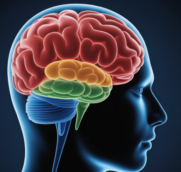
Neurofeedback Protocols
If you’ve been searching for a research-backed way to sharpen planning, impulse control, and sustained attention, neurofeedback for executive function is one of the most promising tools available right now. What makes it genuinely compelling is the staying power: 80% to 90% of neurofeedback clients maintain their brain function improvements 6 to 12 months after completing treatment, without needing ongoing sessions, which means the brain is actually learning, not just temporarily performing better.

Key Takeaways
| Question | Quick Answer |
|---|---|
| What is neurofeedback for executive function? | It’s a brain-training method that uses real-time EEG feedback to help the brain self-regulate the frequency patterns tied to focus, planning, and decision-making. |
| Which brain areas does it target? | Primarily the prefrontal cortex, the region most responsible for attention, working memory, and impulse control. |
| How long does a typical neurofeedback protocol take? | Most structured programs run 20 to 40 sessions, often spread over 10 to 20 weeks depending on goals and baseline assessments. |
| Is neurofeedback for executive function backed by science? | Yes. Multiple clinical observations in 2026 show large effect sizes (above 0.8) for ADHD and memory subgroups, indicating strong cognitive gains. |
| Who is it best for? | Adults with ADHD, executives dealing with cognitive fatigue, students, leaders managing high-stakes decisions, and anyone experiencing attention dysregulation. |
| Can it be combined with other brain-training tools? | Absolutely. Pairing neurofeedback with nootropic support, digital detox protocols, and coaching produces the most measurable and lasting outcomes. |
| Where do I start? | A structured cognitive assessment is the foundation of any good protocol. Explore personalized cognitive performance training programs to find the right fit for your goals. |
What Is Neurofeedback for Executive Function, and Why Does It Matter in 2026?
Neurofeedback for executive function works by placing sensors on the scalp to measure brainwave activity in real time, then feeding that data back to the user as audio or visual cues. When the brain produces the desired frequency patterns, typically more beta and less theta in the prefrontal cortex, it gets a reward signal.
Over dozens of sessions, the brain learns to sustain those optimal patterns on its own. Think of it as physical therapy for the prefrontal cortex, your brain’s control center for planning, organizing, and staying on task.
In 2026, this is no longer a niche clinical tool. Professional coaches, functional medicine practitioners, and neuro-rehabilitation clinicians are weaving neurofeedback protocols into their standard recommendations for clients who have hit a cognitive performance ceiling.
We see this every day at Neuroplasticity Solutions: clients who have tried every supplement, every focus strategy, and every organisational system, but whose brains are still running on a dysregulated baseline that no external tool can fully compensate for.
Who Benefits Most from Neurofeedback for Executive Function?
Not everyone needs the same protocol, and that’s a crucial point. Neurofeedback for executive function is particularly well-suited for specific groups whose cognitive challenges trace back to dysregulated brainwave patterns rather than purely lifestyle or skill gaps.
- Adults with ADHD: Theta/beta training protocols target the attentional deficits most central to ADHD, reducing impulsivity and improving sustained focus.
- Corporate executives and leaders: High-stakes decision fatigue, chronic stress, and reduced cognitive flexibility are increasingly common in leadership roles. Neurofeedback recalibrates the brain’s response to pressure rather than just managing symptoms.
- Post-concussion recovery: Executive function is often one of the last things to fully recover after a mild TBI. Neurofeedback accelerates that restoration.
- Students and high-performers: Anyone who needs to sustain deep focus for extended periods can benefit from training the brain’s attentional control systems directly.
- Individuals in recovery from chronic illness: Conditions like chronic Lyme disease and mold illness frequently leave behind a cognitive fog that neurofeedback can meaningfully address, particularly when the nervous system is stuck in a maladaptive stress response.
Our approach at Neuroplasticity Solutions is grounded in the understanding that symptoms are data points, not permanent labels. When someone’s executive function is impaired, it tells us something specific about their brain’s current state, and that state can change.
Did You Know?
75% to 85% of individuals treated for ADHD with neurofeedback report significant improvements in sustained attention and impulse control.
Source: MyNeuroBalance 2025
The Best Neurofeedback Protocols for Executive Function and Focus
Not all neurofeedback protocols are built the same. The right approach depends on whether the primary challenge is sustained attention, working memory, impulsivity, or all three. Here’s a breakdown of the most commonly used and well-supported protocols in 2026.
Theta/Beta Training (Best for Attention and ADHD)
This is the most studied neurofeedback protocol for executive function. The goal is to reduce the slower theta brainwaves (4 to 8 Hz) that are associated with mind-wandering and drowsiness, while simultaneously increasing the faster beta waves (15 to 20 Hz) tied to alert, focused cognition.
At-home theta/beta training using validated tools has been shown to reduce ADHD rating scale scores by an average of 31.4% compared to baseline, which is a clinically meaningful shift in real-world attention performance.
SMR Training (Best for Impulse Control and Calm Focus)
Sensorimotor rhythm (SMR) training targets the 12 to 15 Hz range and is particularly valuable for people who struggle with impulsivity, restlessness, or what many clients describe as a “racing brain.” It promotes a calm, organized state without sedation.
Alpha/Theta Training (Best for Stress Resilience and Cognitive Flexibility)
This deeper relaxation protocol helps the brain move between alert and restful states more fluidly. It’s especially useful for executives dealing with chronic decision fatigue, as it builds the brain’s capacity to recover between high-demand periods.
Gamma Entrainment (Best for Memory and Cognitive Sharpness)
Gamma frequency stimulation at 40 Hz is a growing area of interest in 2026. Programs like our Genius Switch BDNF activation audio use 40Hz gamma audio stimulation to trigger the brain’s natural BDNF production, supporting memory consolidation and cognitive sharpness. For those who want a non-wearable entry point into brainwave-based cognitive training, this is a genuinely useful starting place.

Five key benefits of neurofeedback for executive function. Learn how it can improve focus, planning, and cognitive control.
Neurofeedback for Executive Function Compared to Other Brain Training Methods
We get this question often: “How does neurofeedback stack up against apps, supplements, or coaching alone?” The honest answer is that each tool operates on a different level, and the most powerful results come from combining them strategically.
| Method | What It Targets | Duration of Results | Best Combined With |
|---|---|---|---|
| Neurofeedback | Brainwave regulation, PFC function | Long-term (6-12+ months post-training) | Nootropics, coaching, sleep hygiene |
| Cognitive apps/games | Working memory, task-specific skills | Moderate (fades without continued practice) | Neurofeedback, structured coaching |
| Botanical nootropics | BDNF, neurochemical support | Acute to moderate (cumulative with daily use) | Neurofeedback, sleep optimization |
| Neuro-coaching | Behavioral patterns, stress response | Long-term with consistent practice | Neurofeedback, digital detox |
| Digital detox protocols | Dopamine regulation, attention restoration | Short to moderate (requires maintenance) | Neurofeedback, structured focus training |
One area we specifically address in our programs is digital overload, which actively counteracts the gains made through neurofeedback. Our Brain Rot Reset Digital Neuro-Detox program pairs beautifully with neurofeedback protocols because it clears the neurochemical noise that chronic screen exposure creates, giving your training a cleaner runway.
What to Expect From a Neurofeedback Protocol for Executive Function
One of the most common concerns we hear is, “I don’t want to commit to something without knowing what’s actually going to happen.” That’s fair, and it’s a sign of good critical thinking.
Here’s an honest, realistic timeline for most neurofeedback programs targeting executive function:
- Sessions 1 to 5: The brain is learning the rules. Most people feel a slight sense of mental clarity or mild fatigue after sessions. Changes in daily function are subtle.
- Sessions 6 to 15: This is often where the first noticeable shifts appear. Clients report that tasks they previously avoided feel more approachable, and they’re catching themselves before impulsive decisions.
- Sessions 16 to 30: Sustained improvements in focus, task initiation, and cognitive flexibility. Sleep often improves during this phase, which reinforces the gains.
- Post-protocol maintenance: Most people don’t need to continue indefinitely. Progress is measured, and the goal is always a brain that can regulate itself without external scaffolding.
Our philosophy at Neuroplasticity Solutions is evidence over enthusiasm. We don’t promise overnight results, but we do commit to measurable progress tracked with regular cognitive reporting throughout the process.
How to Pair Neurofeedback With Other Cognitive Performance Tools
Neurofeedback works best when it’s part of a broader system rather than a standalone fix. Think of it like strength training: the training itself is the core, but nutrition, sleep, and recovery make the actual difference in outcomes.
Pair It With BDNF-Boosting Protocols
Brain-derived neurotrophic factor (BDNF) is sometimes called “Miracle-Gro for the brain.” It supports the formation of new neural pathways, which is exactly what neurofeedback training depends on. Our Genius Switch technology-based botanical nootropics program uses 40Hz gamma binaural beats and brainwave entrainment principles to support this process in a simple, drug-free, downloadable format.
Pair It With Brain-Friendly Leadership Practices
If you’re a leader or manager, the environment you operate in can either support or undermine your neurofeedback training. Check out our top 5 brain-friendly management strategies for practical ways to align your workday with how the brain actually functions under cognitive load.
Pair It With the Right Neuro-Coaching Support
Neurofeedback changes the hardware; coaching addresses the software. If you’re a leader or high-performer in 2026 who wants to know how to choose the right neuro-coaching service to complement your training, our complete 2026 guide to neuro-coaching for leaders breaks down exactly what credentials and protocols to look for.
Did You Know?
Between 60% and 90% of participants scored significantly higher on objective cognitive tests after completing a multimodal brain rehabilitation program involving neurofeedback.
Source: Peak Brain Institute 2025
Choosing the Best Neurofeedback Approach for Executive Function in 2026
With so many tools, devices, and programs available in 2026, the most important factor isn’t which protocol is “best” in the abstract. It’s which protocol is best for your specific brain’s current state.
Here’s what we look at when recommending a neurofeedback-based executive function program:
- Baseline cognitive assessment: You can’t track progress without a starting point. A structured assessment reveals which frequency bands and brain regions need the most support.
- Clear measurable goals: Is the primary need better sustained attention? Working memory? Decision-making under pressure? Each has a different optimal protocol.
- Credential review: The field has grown quickly, and not all practitioners apply protocols with equal rigor. Evidence-based, measurable approaches matter more than enthusiasm.
- Integration with your existing routine: The best neurofeedback program is one you can actually complete. Session frequency, format (in-person vs. remote), and complementary practices all factor in.
- Progress reporting: Regular cognitive marker tracking ensures the protocol is working and allows adjustments before you waste sessions on a misaligned approach.
At Neuroplasticity Solutions, we build every protocol around these principles. Our personalized cognitive performance training programs combine structured assessments, individualized neurofeedback recommendations, ongoing reporting, and multidisciplinary support so that every session is working toward something measurable.
“The brain is a biological system. Progress must be measurable. We built this practice to close the gap between published neuroscience and practical brain-health programs.”
— Neuroplasticity Solutions
Conclusion
Neurofeedback for executive function is one of the most evidence-supported tools available in 2026 for anyone struggling with sustained attention, impulse control, cognitive flexibility, or decision fatigue. The results are measurable, the mechanisms are well-documented, and the staying power of the gains sets it apart from most cognitive enhancement strategies that fade as soon as you stop using them.
Whether you’re dealing with ADHD, recovering from chronic illness, managing a high-pressure leadership role, or simply want your brain operating closer to its actual potential, a well-designed neurofeedback protocol gives you a direct line to the systems driving those challenges.
The best approach is always personalized, assessment-driven, and embedded within a broader brain health strategy that includes sleep, digital hygiene, and complementary cognitive tools. If you’re ready to take the next step, explore how our personalized cognitive performance training programs integrate neurofeedback with the full spectrum of what modern neuroscience has to offer.
Frequently Asked Questions
Is neurofeedback for executive function actually worth it in 2026?
Yes, and the evidence backs it up. Neurofeedback for executive function has demonstrated large effect sizes in clinical observations, and 80 to 90 percent of users maintain their improvements for 6 to 12 months after completing training. For people who have tried other approaches without lasting results, it’s often the missing piece.
How many neurofeedback sessions does it take to improve executive function?
Most structured neurofeedback protocols for executive function run between 20 and 40 sessions. Noticeable changes in daily attention and impulse control typically begin appearing around sessions 6 to 15, with more consistent gains building through the full protocol.
Can neurofeedback help with ADHD executive function deficits in adults?
Absolutely. Theta/beta training is the most studied neurofeedback protocol for ADHD-related executive function challenges, and research consistently shows significant improvements in sustained attention and impulse control. It works by directly training the prefrontal cortex brainwave patterns that drive attentional regulation.
What is the difference between neurofeedback and biofeedback for executive function?
Biofeedback measures physiological signals like heart rate, muscle tension, and breathing patterns. Neurofeedback is a specific type of biofeedback that measures brainwave activity directly via EEG. For executive function, neurofeedback is more targeted because it trains the specific brain regions and frequencies responsible for focus, planning, and cognitive control.
Does neurofeedback for executive function work without ADHD?
Yes. Neurofeedback for executive function is highly effective for people without an ADHD diagnosis who are experiencing cognitive fatigue, stress-related attentional decline, or performance plateaus. Leaders, high-performers, and individuals recovering from chronic illness frequently benefit from protocols that don’t require a clinical diagnosis to pursue.
Can I do neurofeedback for executive function at home in 2026?
Yes, at-home options have become significantly more accurate in 2026, with consumer-grade devices showing strong correlation with clinical EEG systems. That said, results are typically better when the protocol is designed and monitored by a qualified practitioner who can adjust training targets based on your specific cognitive profile.
What should I look for in a neurofeedback provider for executive function training?
Prioritize providers who use baseline cognitive assessments, apply evidence-based protocols, and offer measurable progress tracking throughout the program. Credentials that bridge conventional clinical training and neuroplasticity-based approaches are a strong indicator that the program will be grounded in science rather than just enthusiasm. Our complete guide to choosing a neuro-coaching service for leaders covers exactly what to evaluate when making this decision.