In 2026, the most unsettling part of Epigenetic Brain Clocks (Brain Age vs. Birth Age) is that the “gap” can show up long before symptoms do. One study found that people in the largest brain age gap group face a 2.8-fold increased risk of Alzheimer’s and a 6.4-fold risk of Multiple Sclerosis.
| Epigenetic Brain Clocks estimate biological brain aging using methylation patterns. | Brain age vs. birth age is often a risk signal, not a diagnosis. |
| Intensity matters: clock-relevant change typically needs a structured plan. | Progress must be measurable, not guessed from “feels better” journaling. |
| BDNF (Brain-Derived Neurotrophic Factor) is a practical lever, especially when primed. | 3-Phase Plasticity Loop helps you go from assessment to integration. |
If you’re here because you keep hearing “brain age” and “epigenetic clocks” in 2026, good. Now you need the clinical version, the part that connects to rewiring, cognitive reserve, and measurable progress.
Fast translation: Your “brain age” number is an estimate of how fast your brain is biologically aging. “Birth age” is simply your chronological starting point. The gap is the signal.
Epigenetic Brain Clocks (Brain Age vs. Birth Age) refer to tools that estimate biological aging in the brain based on epigenetic markers, most commonly DNA methylation patterns. In plain terms, these clocks are measuring how “older-like” your brain biology looks compared to what you’d expect from your chronological age.
The key comparison is straightforward:
Here’s the clinical reality we stick to: clocks can help you identify risk, but they do not replace diagnosis, imaging, or clinical evaluation. In our world, evidence over enthusiasm is the rule.
And yes, we see a lot of confusion in 2026. People treat “brain age” like a morality score or a magic switch. It’s neither. It’s a measurement to guide a plan.
Brain age gaps matter because they can reflect cumulative biological stressors that influence neural integrity over time, such as inflammation, sleep disruption, vascular risk, and reduced structural plasticity. When the gap is large, the probability of adverse outcomes rises. That’s what the research is pointing at.
But you still need context. Two people can have the same brain age gap and respond differently, because response depends on:
The brain you have today is not the brain you are stuck with. But enthusiasm is not evidence, and neither is a number on a report.
Epigenetic clocks don’t measure “memory.” They measure biology. Still, there are plausible bridges to neuroplasticity pathways, especially those involving BDNF (Brain-Derived Neurotrophic Factor), inflammation control, neural activity patterns, and downstream structural plasticity.
If we reduce it to a working model you can act on, it looks like this:
That exact structure is what we call the 3-Phase Plasticity Loop: Assessment, Priming, and Integration. Generic programs skip this step. We consider it non-negotiable.
And this is where manifestation manifestation techniques BDNF BrainWave boost brain power naturally comes in, at least as a cautionary example. If someone is using “manifestation techniques” to replace BDNF priming, training dose, and sleep timing, that’s not a plan. That’s a story.
We don’t reject mindset. We reject substitution. Your brain needs the biology and the training. Then mindset can support consistency.
Think of Epigenetic Brain Clocks (Brain Age vs. Birth Age) like a dashboard light. It might suggest the engine is under stress, but it doesn’t tell you which wire is loose. Your next step is figuring out what drives the stress in your body and brain.
In 2026, we see three common scenarios:
The takeaway is blunt: a clock result is a reason to build a plan, not a reason to guess.
Traditional brain games often lack the “intensity” required for true structural change. If your routine is mostly easy, random, and low-dose, you might feel busy without delivering the biological load that supports rewiring.
Let’s be practical. If your Brain Age vs. Birth Age comparison suggests faster brain aging, the most defensible response is a structured neuroplasticity program that includes baseline assessment and measurable progress.
Here’s what we prioritize in 2026:
If you want a relevant anchor point, we regularly explain neurofeedback protocols for executive function in our neurofeedback for executive function guide in 2026. That kind of protocol thinking applies directly to how you structure training after a brain clock result.
BDNF is one of the most practical biological levers in this space because it supports neuronal survival, synaptic flexibility, and learning-related plasticity. In 2026, many people ask about BrainWave entrainment, and we answer with the same rule we use everywhere:
Enthusiasm is not evidence. A tool is only useful if it improves the dose, timing, and integration of your training plan.
This is why we treat tools like 40Hz gamma as priming, not the whole intervention. We want the brain ready to learn, not just briefly stimulated.

When people look at Epigenetic Brain Clocks (Brain Age vs. Birth Age), they often want a single intervention that “fixes the clock.” That’s not how biology works. Still, some tools can improve your training conditions.
Genius Switch – Activate Your Brain’s BDNF uses 40Hz gamma audio to prime BDNF-driven neuroplastic changes and support focused training. The product is positioned as a component of a broader neuroplasticity program rather than a stand-alone cure.
Price example (from our resources in 2026): Genius Switch is listed at $39.
How we frame this clinically:
If you want the practical “how to use it” thinking, we lay out the use approach on our product page: Genius Switch, activate your brain’s BDNF.

And yes, we expect readers to ask, “Is 40Hz gamma worth it?” In 2026, our answer is consistent: it’s worth considering when it supports your priming and you deliver enough intensity in the training layer.
Misunderstandings are where progress goes to die. Here are the ones we see most, especially in 2026.
Again, enthusiasm is not evidence. If every claim sounds like marketing copy, it probably is.
In practice, Epigenetic Brain Clocks (Brain Age vs. Birth Age) are most useful when they push you toward a longevity framework that protects cognition and supports neuroplasticity. This is where preventative longevity becomes relevant, because you cannot only react after damage accumulates.
Our preventative approach focuses on a few pillars you can actually run:
If you want a broader view of this system, read Best Preventative Longevity Strategies for 2026. It includes how BDNF stimulation and digital detox fit into a measurable plan.
This matters because Epigenetic Brain Clocks (Brain Age vs. Birth Age) are not just a molecular curiosity. They tie into the broader reality that aging biology, cognition, and even perceived age can move together. Still, subjective age is not an excuse to skip training. It’s another reason to build a plan with progress tracking.
Let’s address the phrase directly, because it shows up in 2026 conversations constantly. manifestation manifestation techniques BDNF BrainWave boost brain power naturally is often presented like a shortcut. Here’s our clinical line:
So we don’t build a program around “manifestation.” We build a program around measurable training, and we allow mindset to help you stick to it. The next step should always be a conversation, not a payment.
If you want a framework that matches the logic behind clocks, look at how we describe neuro rehabilitation. In credible neuro rehab, there is baseline assessment, measurable goals, evidence-based modalities, and regular progress review.
That’s exactly how you should interpret “brain age” as well. If you want help translating this into action, our collection overview on neuro rehabilitation lays out the components and why structure matters.
And if you want an evidence-grounded view of timing and intensity, our 2026 guide on a practical, evidence-based plan to rebuild brain function is worth reading. It explicitly ties outcomes to how soon and consistently you deliver the right rehabilitation dose.

We keep repeating it because it matters: progress must be measurable. If you cannot track it, you cannot improve it.

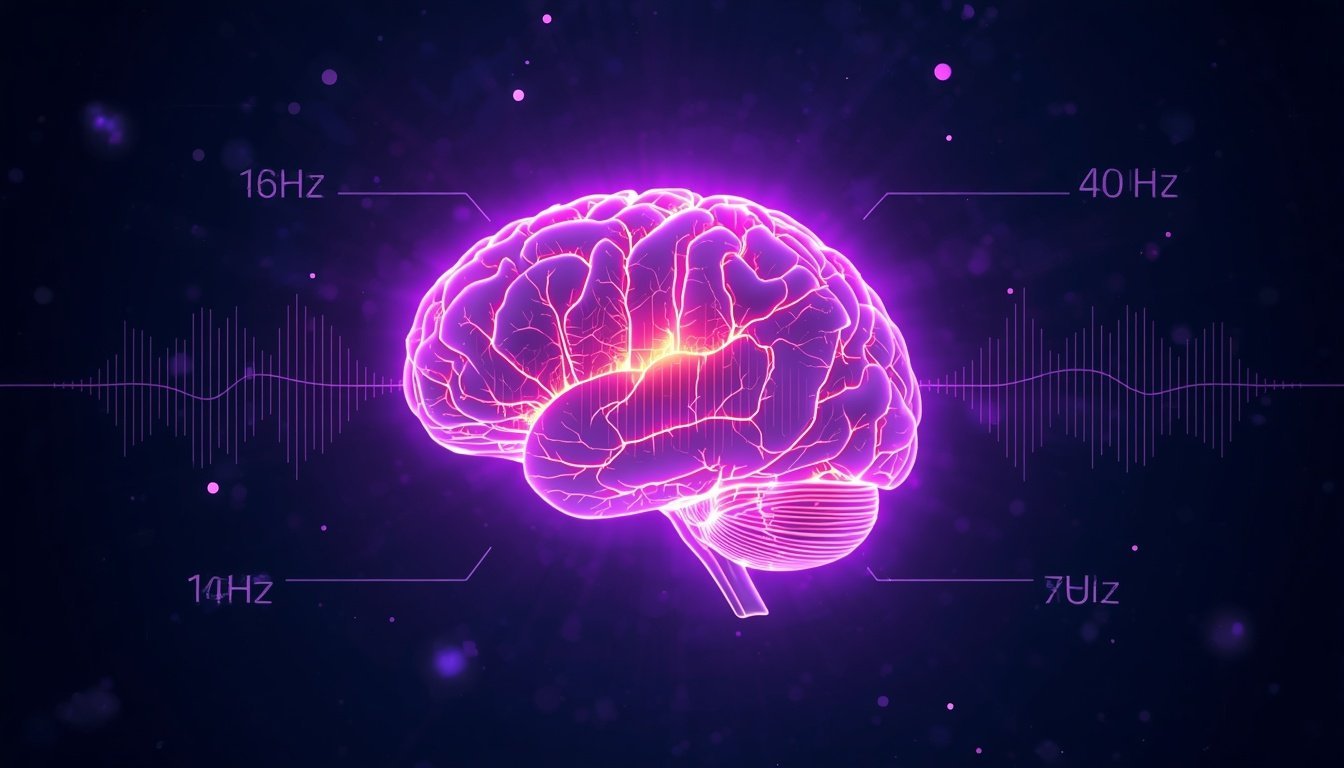
This infographic highlights three key points showing how epigenetic clocks estimate brain age compared to birth age.
Epigenetic Brain Clocks (Brain Age vs. Birth Age) give you a measurable way to estimate biological brain aging, and the brain age gap can highlight risk in 2026. But it is not destiny. It is a signal that you should build a structured neuroplasticity response based on Assessment, Priming, and Integration.
Use the clock to guide action, then support your biology with BDNF (Brain-Derived Neurotrophic Factor), appropriate BrainWave entrainment when relevant, and enough dose and Intensity to drive structural plasticity. You will never hear us promise to “reverse ageing” or “unlock 100% of your brain.” Your brain is the only organ you cannot replace, and it deserves a plan.
Epigenetic Brain Clocks estimate biological aging from epigenetic patterns, and in 2026 they are best used for risk context and planning rather than as a stand-alone diagnosis. Accuracy depends on the specific clock model and the population it was validated on, so we treat results as guidance, not certainty.
A higher brain age gap means your brain biology looks older than expected from your chronological age. In research discussions in 2026, larger gaps are associated with higher risk, so we use the gap to justify measurable interventions targeting plasticity, sleep, inflammation, and training dose.
In 2026, we look at biology and behavior as linked inputs. Structured lifestyle change and neuroplasticity-based training can shift epigenetic signals over time, especially when you pair priming (including BDNF support and BrainWave-friendly routines) with consistent, measurable cognitive work.
40Hz gamma is positioned as a priming tool that supports BDNF-related plasticity, not as a guaranteed “clock reversal” button. If you use tools like Genius Switch, the best outcomes come when you integrate them into a complete plan with baseline assessment and enough training intensity.
If your plan treats manifestation as a replacement for BDNF priming, training dose, and sleep timing, it is not clinically complete. If you treat it as a consistency tool while you run a measurable neuroplasticity program, it can be supportive alongside the biology.
Our recommendation is baseline assessment and a structured plan. You need measurable progress targets, because without tracking you cannot know whether intensity, priming, and integration are actually moving your brain biology in the direction you want.