Preventative longevity has quietly become one of the biggest shifts in modern healthcare, and the numbers back it up. Researchers now estimate that 1 in 3 cancer cases are preventable through lifestyle changes and early intervention alone. That single statistic tells you almost everything about why preventative longevity has moved from a niche wellness idea to a mainstream health strategy in 2026.
Preventative longevity focuses on optimizing physical and cognitive health before disease or decline sets in, rather than treating problems after they appear.
The approach rests on five core pillars: nutrition, exercise, sleep, stress management, and preventive care.
Brain-Derived Neurotrophic Factor (BDNF activation) is considered a cornerstone of cognitive longevity strategies.
Digital overload is now recognized as a genuine threat to long-term brain health, giving rise to structured digital neuro-detox programs.
Blue Zone regions like Okinawa and Sardinia continue to inspire modern supervised neuro-training retreats in 2026.
Workplaces are adopting corporate cognitive training programs as part of employee longevity planning.
Even recovery-focused care, like restoring memory after injury, now falls under the broader preventative longevity umbrella.
Preventative longevity is the practice of proactively protecting your physical and cognitive health long before disease or decline ever shows up. Instead of waiting for a diagnosis, you build habits and routines designed to keep your body and brain functioning well for decades.
This is a very different mindset than the reactive model most of us grew up with. That older model waited for symptoms, then treated them.
Preventative longevity flips that order. It asks what you can do today so you never have to deal with the problem tomorrow.
Our preventative longevity resource hub breaks this philosophy down into practical strategies people can actually use, not just abstract theory.
For most of modern medical history, healthcare was built around treatment, not prevention. You got sick, you saw a doctor, and the system responded.
That began changing as life expectancy climbed and researchers started studying why some populations lived dramatically longer, healthier lives than others. Life expectancy at birth in the United States reached 79.0 years in 2024, an all-time high for the country, according to the CDC.
That milestone did not happen by accident. It reflects decades of shifting focus toward prevention, from reduced smoking rates to better chronic disease management.
Once researchers started identifying the “Blue Zones,” regions like Okinawa, Sardinia, and the Nicoya Peninsula where people routinely live past 90 with sharp minds intact, preventative longevity stopped being theoretical. It became something people wanted to actively pursue rather than passively hope for.
The most effective preventative longevity strategies share one trait: they are sustainable for years, not just weeks. Crash diets and extreme routines rarely survive contact with real life.
Our research on the best preventative longevity strategies points to a handful of habit categories that matter most.
Habit Category | Example Action | Frequency |
|---|---|---|
Nutrition | Whole-food, plant-forward meals | Daily |
Movement | Walking, resistance training, mobility work | Most days |
Sleep | Consistent sleep and wake times | Nightly |
Social Connection | In-person time with friends or family | Several times weekly |
Mental Challenge | Learning new skills, cognitive training | Weekly |
Notice that none of these require expensive gadgets or extreme willpower. The goal is consistency, not intensity.
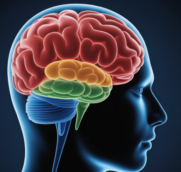
You cannot talk about preventative longevity without talking about the brain specifically. Brain-Derived Neurotrophic Factor, or BDNF, has become one of the most studied molecules in cognitive longevity research.
BDNF supports the growth and survival of neurons, which basically means it helps your brain stay adaptable as you age. Our piece on how to activate your brain’s BDNF covers the specific triggers, including exercise, fasting windows, and certain sound frequencies, that researchers link to increased production.
Some approaches combine this science with plant-based compounds. Our overview of technology-based botanical nootropics looks at how these two worlds are increasingly overlapping in 2026.
Did You Know?
An American who reaches age 65 in 2024 can expect another 19.7 years of life on average, making preventative longevity planning more relevant at every stage of life, not just in youth.
Not every longevity threat comes from what we eat or how much we exercise. Screen time and digital overload have become genuine concerns for cognitive health researchers.
Our guide to the 2026 digital neuro-detox looks at how constant notifications and fragmented attention may work against the very neuroplasticity that preventative longevity strategies try to protect. Reducing digital noise is increasingly treated as seriously as diet or sleep in longevity planning.
Some of the strongest evidence for preventative longevity comes from Blue Zones, regions where people naturally live longer, more active lives without trying particularly hard. These communities inspired a wave of retreat centers built specifically around their principles.
Our breakdown of Blue Zone-inspired retreats for supervised neuro-training in 2026 highlights five locations that have become reference points for the entire movement.





What these five places share is a culture built around movement, purpose, and social connection, not a single supplement or workout trend. That is exactly the point preventative longevity researchers keep making.
Picking the right habit matters less than picking one you can actually keep up with. Our guide to brain health longevity habits makes this exact case, arguing that sustainability beats intensity every time.
Start small. Add sleep consistency first, then layer in movement, then nutrition, then social habits, and mental challenge last if that feels less overwhelming.
Preventative longevity is not just a personal wellness trend anymore. Employers are getting involved too, recognizing that sharp, resilient employees benefit the whole organization.
Our overview of corporate cognitive training programs covers how companies are building brain health into workplace culture. We also look at the top brain-friendly management strategies leaders are adopting to reduce cognitive fatigue on their teams.
Comparing tools matters here too. Our cognitive training versus memory apps comparison helps decision-makers figure out which approach actually delivers measurable results.
Preventative longevity is not only about avoiding problems before they happen. It also plays a critical role in recovery once something does go wrong.
Our evidence-first guide on restoring memory after a brain injury in 2026 shows how the same neuroplasticity principles behind preventative longevity also support healing after trauma.

The brain’s ability to rewire itself, the same mechanism that makes prevention effective, is also what makes recovery possible. This is a helpful reminder that preventative longevity and rehabilitation are two sides of the same coin.
What started as a niche interest among biohackers has turned into a genuine global industry. The global longevity market is projected to reach US$740 billion in revenue by 2026, according to Research and Markets, as the sector shifts from consumer wellness products toward institutionally funded healthcare.
Consumer behavior backs this up. McKinsey & Company reports that 84% of U.S. consumers now rank wellness as a “top” or “important” daily priority, and Gen Z and millennials alone drive 41% of annual wellness spending despite being a smaller share of the adult population.

Preventative longevity is no longer a niche biohacker trend—it is a massive global industry focused on extending human healthspan.
This growth is not just marketing hype. It reflects a genuine shift in how people, and the businesses that serve them, think about long-term health planning.
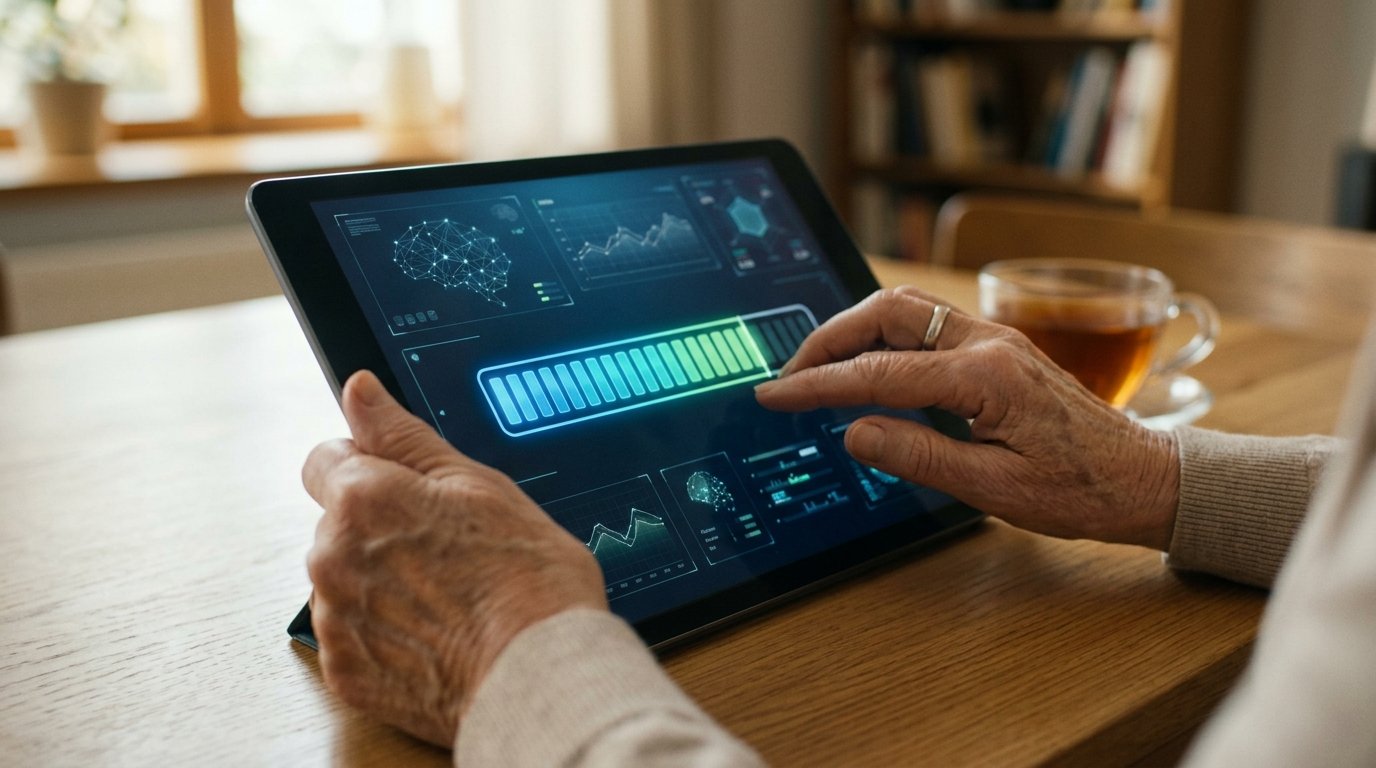
You cannot manage what you do not measure, and preventative longevity is no exception. Cognitive assessments have become a standard tool for tracking brain health over time, not just diagnosing problems after they appear.
Our 2026 cognitive assessment comparison chart helps translate scores between the MoCA and MMSE testing systems, two of the most widely used tools in preventative brain health monitoring.
Did You Know?
Roughly 50% of consumers misestimate their own life expectancy by 5 or more years, according to 401(k) Specialist, which makes accurate preventative longevity planning harder without proper tracking tools.
Preventative longevity works best when you have guidance, especially if you are trying to change habits that took decades to form. Leadership teams and executives in particular tend to need structured support.
Our complete 2026 guide to choosing a neuro-coaching service for leaders walks through what to look for, from credentials to measurable outcomes. If you have questions about where to start, our frequently asked questions page and about page cover the basics of our approach to preventative longevity.
Preventative longevity has grown from a fringe idea into one of the most well-supported approaches to health available today. It combines nutrition, movement, sleep, stress management, and preventive care into a single, sustainable philosophy rather than a quick fix.
Whether you are drawn to Blue Zone-inspired habits, BDNF activation, digital detox routines, or workplace cognitive training, the throughline is the same. Preventative longevity works because it treats your brain and body as something worth protecting today, not just repairing tomorrow.
Preventative longevity means proactively optimizing your physical and cognitive health before disease or decline sets in, rather than waiting to treat problems after they appear. It focuses on sustainable habits like nutrition, sleep, exercise, and stress management.
Yes, preventative longevity is increasingly backed by both research and industry investment, with the global longevity market projected to hit US$740 billion by 2026. Given that around 1 in 3 cancer cases are considered preventable, the practical health benefits are hard to ignore.
The five pillars are nutrition, exercise, sleep, stress management, and preventive care. Building consistent habits across these five areas forms the foundation of most effective preventative longevity strategies.
BDNF, or Brain-Derived Neurotrophic Factor, supports neuron growth and survival, making it a cornerstone of cognitive preventative longevity strategies. Activities like exercise and certain audio frequencies are known to help activate BDNF production naturally.
Yes, the same neuroplasticity principles behind preventative longevity also support recovery after brain injuries. Restoring memory and cognitive function after trauma relies on the brain’s ability to rewire itself, which is the same mechanism prevention strategies aim to strengthen.
Blue Zone regions like Okinawa, Sardinia, and the Nicoya Peninsula show strong real-world evidence that lifestyle-based preventative longevity habits extend both lifespan and healthspan. These communities share consistent movement, social connection, and purpose-driven living rather than relying on any single product or trend.
Start with one sustainable habit, usually sleep consistency, then gradually layer in movement, nutrition, social connection, and mental challenge. Preventative longevity works best when habits are built slowly and maintained for years, not adopted all at once and abandoned within weeks.