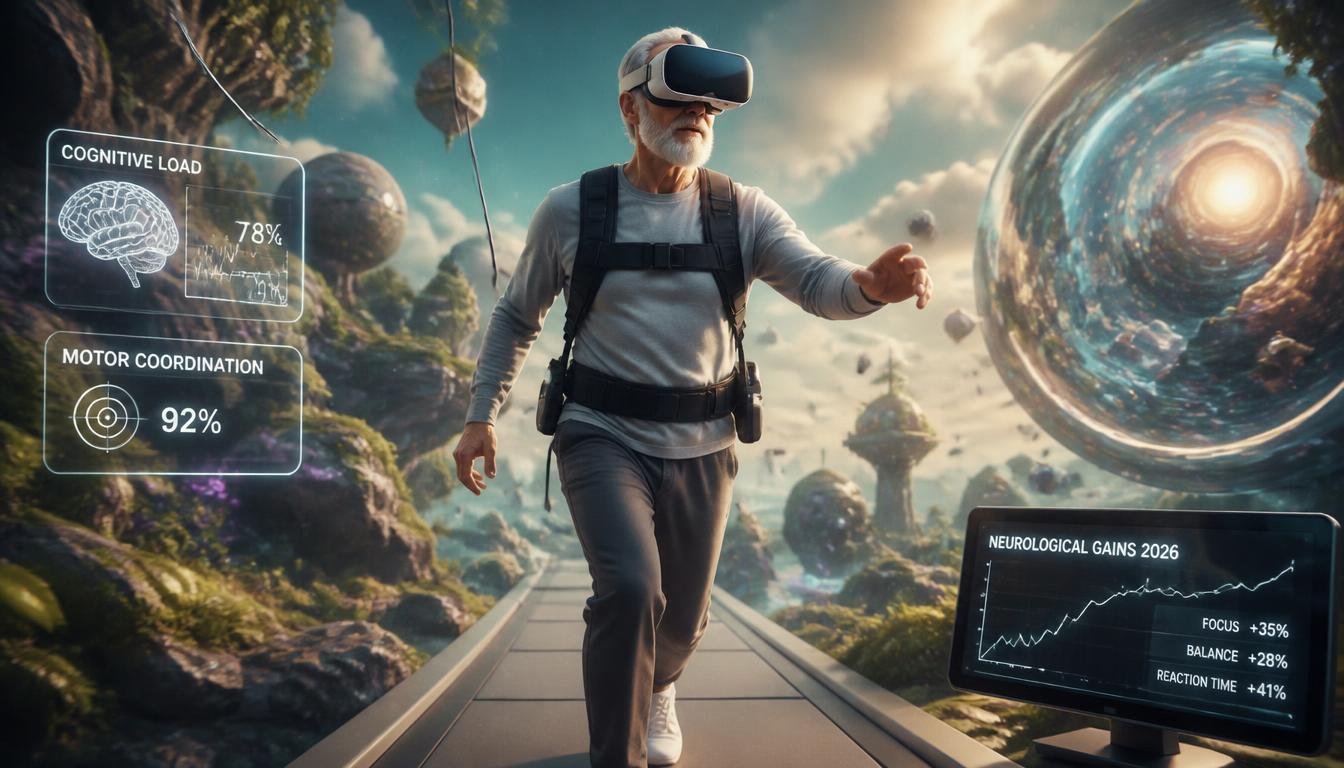

In 2026, memory preservation feels urgent for a lot of families because the number of people living with clinical Alzheimer’s dementia keeps climbing fast, projected to reach 13.8 million Americans age 65 and older by 2060. That is exactly why a clear memory program timeline matters, so our efforts are consistent, measurable, and actually aligned with how memory changes over time.
| What to build first | Baseline + goals, then daily routines, then structured training sessions. |
| How long to run | Use a staged plan (foundation, training, consolidation) that repeats on a schedule in 2026. |
| What to track | Recall consistency, attention focus, sleep quality, and adherence to your listening or practice “dose.” |
| What helps most in the timeline | Spaced repetition, adaptive training difficulty, and sleep and movement support for neuroplasticity. |
| Where product fit matters | We see better outcomes when tools support a timeline, not when they replace it. |
| Good next step | Start from a personalized plan like our personalized cognitive longevity protocols. |
A memory program timeline is not just a calendar. It is the sequence of activities we run so the brain repeatedly experiences the right kind of practice, in the right order, with enough consistency to matter.
In 2026, we are seeing people move away from random “brain games” and toward structured plans with dosing principles. That shift matters, because memory improvement usually depends on reinforcement, not novelty.
So when we build a timeline, we typically start with three layers:
It helps to think of the timeline as a loop. We start, we measure, we adjust, and we repeat on a schedule that fits real life in 2026.

Most timeline failures happen early. People either start with complicated training before their daily habits are stable, or they skip measurement entirely, so we cannot tell what is working.
In Weeks 1-2, we focus on baseline and setup for your memory program timeline in 2026. This includes:
If you want a practical framework, our memory retention habits approach is designed around consistency and reinforcement, with lifestyle support for long-term brain health.

Once habits are stable, we add structured cognitive training. This is where your memory program timeline becomes more “program-like,” rather than just lifestyle support.
In 2026, the biggest difference we see between people who progress and people who stall is how they train. Casual memory apps and random practice can feel productive, but structured programs typically adapt difficulty and target memory-related brain regions.
Here is what we look for during Weeks 3-6:
If you are deciding between training formats, our guide on cognitive training vs memory apps breaks down why structure and measurable outcomes usually win for seniors.
Some people ask us whether they should add gamma audio or other passive support immediately. In our timeline approach, we generally introduce these after habits and training are already running smoothly, so the plan has stable “inputs” from day to day.
One example is Genius Switch, which uses 40Hz gamma audio stimulation to support natural BDNF production. If you want an option with a clear format, we price Genius Switch for $39 and provide a bundle format designed to make listening sessions repeatable.
When Genius Switch fits inside a memory program timeline in 2026:

By this stage, your job is not to cram. It is to consolidate. A good memory program timeline in 2026 makes room for review, so improvements transfer from “practice mode” into real recall.
In Weeks 11-14, we emphasize:
This is also the part of the timeline where we revisit your baseline goals and update them. If your target was “better everyday recall,” we check whether the recall happens outside training sessions.
In the real world, the biggest challenge is not starting. It is maintaining a memory program timeline through busy weeks, travel, caregiving, and stress.
So we switch to maintenance cycles starting around Month 4. Instead of constant escalation, we use a repeatable rhythm:
For people who want broader context on the kinds of tools we group under cognition and neuroplasticity, our cognitive performance category collects approaches we use to support focus, flexibility, and measurable brain health goals.
And if your needs involve recovery and preventive framing (for example, stroke recovery or CTE prevention and recovery options), you may also find useful guidance in our neurological recovery category.
If you want to visualize a memory program timeline, here are two clean examples we see work well in 2026.
This is best for people who need quick momentum and a habit backbone before adding extra components.
This is the timeline we typically recommend when you want a full memory program timeline that covers habits, training, and consolidation, all with adjustment points.
Not everyone needs the same sequence. Our job is to match the timeline to your starting point, your goals, and your realistic schedule in 2026.
Here is a simple decision guide:
You can explore a preventive path through our preventative longevity category, which includes practical guides like How to Spot Early Cognitive Thinning Before Memory Loss Starts and Environmental Longevity and Preventive Lifestyle Design.
A strong memory program timeline in 2026 is a repeatable sequence, foundation to training to consolidation. When we build the plan around daily memory retention habits, add structured cognitive training with dosing principles, and consolidate with spaced review, we give memory the reinforcement it needs.
If you want a timeline that is realistic and measurable, we recommend starting with a personalized plan based on your baseline and goals, using our personalized cognitive longevity protocols. That is how we keep progress consistent, even when life gets busy.
A good memory program timeline for seniors in 2026 includes baseline goals, daily memory retention habits, structured cognitive training with adaptable difficulty, and consolidation through spaced recall. We also recommend tracking adherence and adjusting dosing so progress is measurable over time.
Most people notice early improvements in consistency and recall routines within the first few weeks, especially once memory retention habits are stable. Stronger changes typically show up as training continues and consolidation cycles begin, which is why we plan in phases across a full memory program timeline.
Genius Switch uses 40Hz gamma audio stimulation to support natural BDNF production, and it can fit as a supporting dose within your memory program timeline. We usually introduce it after your routines and structured training are already consistent, so it complements your plan rather than replacing it.
Memory apps often provide entertaining practice, while a memory program timeline emphasizes structured, repeatable work with dosing principles and measurable outcomes. Our comparison on cognitive training vs memory apps explains why structure and adaptation usually matter more than casual games.
Yes. A home-based timeline can start with memory retention habits, spaced review, sleep and movement support, and consistent practice logs. If you add structured training formats or passive support tools, the key is still the same, your timeline should be consistent and phased.
We track progress by monitoring adherence, recall consistency, attention or focus performance, and how often memory tasks succeed outside training sessions. Regular reassessment helps us adjust the next phase of the memory program timeline instead of guessing what is working.