The global wellness real estate market hit $876 billion in 2025, and that number alone tells you how seriously people now take Environmental Longevity and Preventive Lifestyle Design. This isn’t a niche wellness trend anymore. It’s become a full-blown shift in how we build homes, offices, and daily routines around long-term brain and body health.
This guide covers everything from BDNF activation and brainwave audio to manifestation techniques that help you boost brain power naturally, alongside the environmental design choices that keep your mind sharp for decades. We’ll walk through the tools, the science, and the practical strategies that actually move the needle.
| Question | Quick Answer |
|---|---|
| What is Environmental Longevity and Preventive Lifestyle Design? | A framework that combines brain-friendly environments, daily routines, and neuroscience-backed protocols to sustain cognitive health over the long term. Learn more on our Neuroplasticity Solutions homepage. |
| Why is preventive lifestyle design trending in 2026? | More than 82% of consumers say they plan to focus harder on wellbeing this year, and longevity clinics are seeing a surge in interest. |
| What role does BDNF play? | Brain-Derived Neurotrophic Factor acts like fertilizer for neurons, supporting new synapse growth and protecting existing ones. |
| Do memory apps replace real cognitive training? | No. Structured programs deliver measurable neuroplastic change, while casual apps often lack the dosing intensity required. |
| Can environmental design really affect cognitive performance? | Yes. Workspace layout, light exposure, and digital habits all shape neuroplasticity and cognitive reserve over time. |
| Is this relevant for seniors specifically? | Very much so. Seniors in structured programs performed at a level comparable to adults 1 to 2 years younger, per U.S. POINTER Study data. |
| Where should I start? | Browse our cognitive performance resources and check our preventative longevity strategies guide for a step-by-step roadmap. |
Environmental Longevity is the idea that your surroundings, your workspace, your digital inputs, and your daily lifestyle patterns directly shape how well your brain ages.
Preventive Lifestyle Design takes that idea and turns it into an actual framework. It consolidates neuroscience-based routines and environmental adjustments into something you can actually follow day to day, instead of just a vague wellness philosophy.
Together, Environmental Longevity and Preventive Lifestyle Design form the backbone of what we do here. We’re not interested in reactive medicine that waits for a diagnosis. We build proactive systems that sustain plasticity and resilience before problems show up.
The numbers back this up in a big way. Longevity was named the top wellness trend expected to define 2026 by 37.8% of survey respondents, according to Life Time data.
We’re also seeing 58% of consumers now interested in attending specialized longevity clinics for personalized health assessments, up sharply from 40% just a few years ago. People aren’t waiting around anymore. They want assessments, protocols, and measurable outcomes.
Did You Know?
33.2% of people entering 2026 cite longevity as a leading motivation for their health and fitness habits, according to Life Time research.
This shift matters for how we approach everyday choices. Preventive Lifestyle Design isn’t about supplements or quick fixes anymore, it’s about restructuring your environment so healthy choices become the default.
A cornerstone of our cognitive longevity programs is stimulating Brain-Derived Neurotrophic Factor, or BDNF. This protein acts like a fertilizer for your neurons, encouraging new synapse growth and protecting the connections you already have.
We combine aerobic exercise, cognitive challenges, and nutritional adjustments to maximize natural BDNF production. Many of our clients also layer in manifestation techniques, structured visualization practices paired with BDNF activation and brainwave audio training, as a way to boost brain power naturally without pills or prescriptions.
It sounds unconventional, but the science lines up. Functional plasticity (short-term rewiring) and structural plasticity (actual physical brain changes) both respond to consistent, targeted stimulation, whether that stimulation comes from exercise, sound, or focused mental rehearsal.
Curious how BDNF activation actually works in practice? Our BDNF activation overview breaks down the mechanisms in plain language.

“BDNF, Neuroplasticity, and Lifestyle” isn’t just a catchy phrase, it’s the actual biological chain reaction behind why daily habits matter so much for long-term brain health.
One of the more interesting tools we’ve come across for natural BDNF stimulation is the Genius Switch Audio Series, priced at $39. It uses precision 40Hz gamma audio to trigger the brain’s natural BDNF production.
No pills, no prescriptions, just sound. That’s a pretty appealing pitch for anyone who wants an accessible entry point into Environmental Longevity and Preventive Lifestyle Design without committing to a full clinical protocol.

We think of this as a low-effort, high-consistency piece of a bigger puzzle. It works best combined with structured cognitive challenges and the environmental adjustments we cover throughout this guide, not as a standalone fix.
Preventative longevity is no longer reserved for biohackers and elite athletes. It’s mainstream now, and the strategies that work best combine science with practical, repeatable habits.
Here’s what we consider the core building blocks of a solid Environmental Longevity and Preventive Lifestyle Design routine:

For the full breakdown, our best preventative longevity strategies guide walks through each of these in more depth, with tools and protocols organized by goal.

The shift from reactive medicine to environmental longevity is reshaping how consumers spend on health.
Not all brain-focused tools are built the same. There’s a real difference between a casual memory app and a structured cognitive training program, and it comes down to biological impact.
According to the Alzheimer’s Association U.S. POINTER Study published in 2026, seniors in structured lifestyle interventions performed at a level comparable to adults 1 to 2 years younger than those relying on self-guided methods.
That’s a meaningful gap. High-quality programs deliver measurable neuroplastic change, while generic apps often lack the intensity and dosing required for actual structural improvement.
We break this down further in our cognitive training vs memory apps comparison, which is worth reading before you commit to any single tool.
Neurological Recovery matters at a scale most people underestimate. Neurological disorders affect over 3 billion people worldwide and contribute to more than 11 million deaths or disability cases each year, with over 40% of the global population affected in some form.
In 2026, modern neuro-rehabilitation is a measurable process built on rigorous evidence, clear dosing principles, and real follow-through, not guesswork. A practical plan combines structured neurofeedback, targeted training, and nutrition aimed at optimizing brain health over time.
This is where Environmental Longevity and Preventive Lifestyle Design overlap most directly with clinical recovery work. Prevention and rehabilitation use a lot of the same underlying tools.
Preventive Lifestyle Design isn’t just a personal project anymore. Organizations are building cognitive training directly into workplace culture to reduce cognitive load and improve executive function across teams.
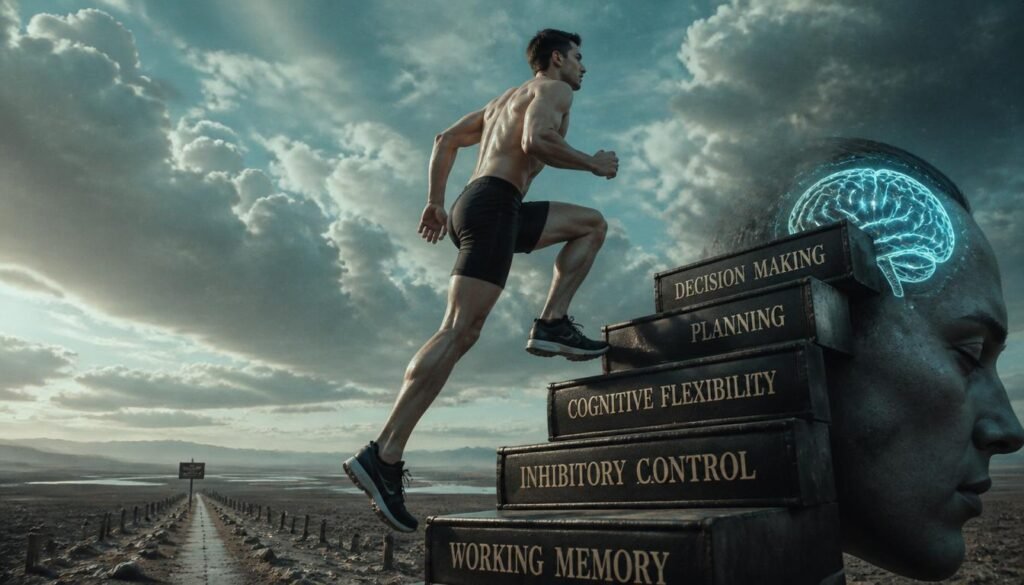
These enterprise programs lean on neuroscience-based protocols and scalable delivery models, integrating directly into existing workflows instead of asking employees to add another app to their routine. If your organization is evaluating cognitive assessment scoring, our 2026 MoCA to MMSE conversion chart is a useful reference point.
We’ve found that corporate cognitive training programs work best when they’re framed as productivity tools, not just wellness perks. That framing gets far more buy-in.
| Best For | Tool or Approach | Price |
|---|---|---|
| Natural BDNF activation via sound | Genius Switch Audio Series | $39 |
| Seniors and structured memory support | Senior Cognitive Training Programs | Varies by program |
| Post-injury or clinical rehabilitation | Neurological Recovery Plan | Consultation-based |
| Workplace-wide cognitive performance | Corporate Cognitive Training Programs | Enterprise pricing |
| DIY environmental redesign | Preventative Longevity Strategies Guide | Free resource |
The environmental piece is bigger than most people realize. 41% of U.S. adults now believe the planet has reached or passed an environmental tipping point, and that belief is directly driving eco-centric lifestyle choices, including how people design their living and working spaces.
Did You Know?
41% of U.S. adults believe the planet has reached or passed an environmental tipping point, according to the Natural Marketing Institute.
Start with an assessment of your current environment. Look at light exposure, sleep timing, physical activity, nutrition, and digital habits, since all of these feed directly into BDNF production and cognitive reserve.
Then prime your routine with structured cognitive challenges, whether that’s a formal training program or consistent brainwave audio sessions. Finally, integrate everything into your daily schedule so it sticks, rather than treating it as a temporary experiment.

For a deeper dive into the neuro-rehabilitation side of this framework, our neuro-rehabilitation resource library is a solid next stop.
Environmental Longevity and Preventive Lifestyle Design isn’t a passing trend, it’s a practical response to a wellness market that’s expected to nearly double to $1.8 trillion by 2030. The tools are here, from BDNF activation and structured cognitive training to manifestation techniques and brainwave audio that help you boost brain power naturally.
What matters most is consistency. Whether you start with a $39 audio series or a full corporate cognitive training rollout, the goal is the same: build an environment and routine that protects your brain for decades, not just this year.
Yes, based on current data. With the wellness real estate market at $876 billion and growing 23% year over year, this shift from reactive to preventive health is well past the early-adopter phase.
There’s growing evidence that combining manifestation techniques, BDNF-supporting habits, and brainwave audio like 40Hz gamma stimulation can support neuroplasticity without pharmaceutical intervention. It works best as part of a broader routine, not as a standalone fix.
Preventative longevity focuses on extending healthspan through specific protocols, while preventive lifestyle design is the broader framework that organizes your environment and daily habits around those protocols. They work together rather than as separate concepts.
Casual memory apps generally lack the intensity and dosing needed for real structural brain change. Structured cognitive training programs have shown seniors performing at levels comparable to adults 1 to 2 years younger, according to 2026 research.
BDNF acts like fertilizer for neurons, supporting new synapse growth and protecting existing neural connections. Higher BDNF levels are associated with better cognitive resilience and slower age-related decline.
It typically includes consistent natural light exposure, reduced digital clutter, movement-friendly layouts, and built-in breaks for cognitive recovery. These elements reduce cognitive load and support long-term neuroplasticity.
Given that cognitive load directly affects productivity and executive function, enterprise cognitive training is increasingly seen as a performance investment rather than just a wellness perk. Programs grounded in neuroscience tend to show measurable results for teams.