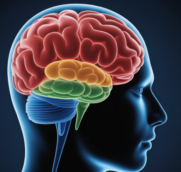

A study tracking 348 healthy children and adolescents, ages 5 to 21, found that muscular strength predicted core executive function scores, inhibition, working memory, cognitive flexibility, across the entire age range. That is not a small correlation buried in a footnote. The real link between leg strength and executive function turns out to be one of the more consistent findings in exercise neuroscience, and it applies well beyond childhood development.
| Question | Short Answer |
|---|---|
| Is leg strength really connected to executive brain function? | Yes. Published research across age groups from 5 to 21 years links lower-body muscular strength to better inhibition, working memory, and cognitive flexibility. |
| Why legs specifically, and not just “exercise” in general? | Large lower-body muscle groups demand more neural coordination and produce a bigger systemic BDNF response than isolated upper-body work. |
| What is BDNF and why does it matter here? | Brain-Derived Neurotrophic Factor is the biological “repair protein” that supports structural plasticity and neurogenesis after resistance training. |
| Does this apply to neurological recovery, or just healthy adults? | Both. The same mechanism informs stroke and TBI protocols where rebuilding motor strength and executive function happen together. |
| Can you boost brain power naturally without medication? | Yes, through measurable, dosed resistance training, not through manifestation techniques or unproven brain supplements marketed as shortcuts. |
| Is this relevant to preventative longevity planning? | Strongly. Cognitive reserve building in aging adults increasingly includes lower-body strength as a measurable protective factor. |
| How is this different from a “brain training” app? | Leg strength training is a physical, dosed intervention with a biological target (BDNF), not passive tapping or trivia. |
We get asked constantly whether “getting stronger” really changes how a brain works, or whether this is just fitness marketing borrowing neuroscience language.
The data says it is real. The 348-participant study published through Current Issues in Sport Science measured muscular strength against inhibition and working memory tasks in participants from 5 to 21 years old, and higher strength consistently tracked with better executive function scores.
That age spread matters. It means the real link between leg strength and executive function is not a quirk of one developmental stage, it shows up whether the brain in question is still developing or approaching full maturity.
We treat that as clinically significant, not anecdotal.
This is the question we get most, and it deserves a direct answer.
Legs contain the largest muscle groups in the human body. Training them (squats, leg presses, functional gait work) recruits more motor units, demands more balance and coordination signaling from the brain, and produces a larger systemic metabolic response than an isolated bicep curl ever will.
More recruited tissue means more signaling traffic between the muscle and the brain. That traffic is not vague “energy,” it is measurable neurochemical activity, and it is why leg-focused resistance work shows up disproportionately in the cognitive research compared to upper-body isolation training.

We treat Brain-Derived Neurotrophic Factor as your brain’s repair protein, supported by training, movement, and lifestyle, not as a marketing buzzword.
BDNF supports structural plasticity, the actual rewiring of neural connections, and it is one of the clearest measurable pathways connecting physical strength training to sharper executive brain function. Resistance training that recruits large muscle groups, particularly the legs, has been shown to elevate circulating BDNF more reliably than light cardio alone.
This is where the real link between leg strength and executive function stops being a correlation on paper and starts being a biological mechanism we can actually train toward.
Evidence over enthusiasm. You need measurable progress, not vibes, and BDNF gives us something measurable to point to.
We get asked constantly about manifestation techniques, BDNF supplements, and BrainWave apps that promise to boost brain power naturally in a few minutes a day.
We are direct about this. Manifestation techniques do not change synaptic density, and no app called “BrainWave” or otherwise replaces a measurable dosing protocol for muscle and brain adaptation. If you want to genuinely boost brain power naturally, the evidence points toward dosed resistance training targeting large muscle groups, not passive visualization exercises.
Static difficulty, predictable puzzles, and passive scrolling through trivia don’t meet that threshold, and neither do wellness trends promising instant results without a physical stimulus behind them.
That said, we are not dismissing the interest. People genuinely want to know how to boost brain power naturally, and the honest answer is that leg strength training, dosed correctly, is one of the few interventions with real published support behind it, unlike manifestation techniques or unregulated BDNF-boosting supplement claims.

Modern neuro-rehabilitation is no longer guesswork; it is a measurable process built on rigorous evidence, clear dosing principles, and real follow-through.
In our work with stroke and traumatic brain injury clients, lower-body strength is not treated as a separate “physical therapy” goal running parallel to cognitive work. It is part of the same protocol, because rebuilding gait and leg strength directly supports the same neural circuits involved in planning, inhibition, and working memory.
We approach this the way we approach every case: not a generic profile, not a marketing persona, but a specific person with a specific injury and a specific recovery timeline. That is the standard we hold ourselves to across neuro-rehabilitation protocols more broadly.
Brain change happens at the edge of current ability, not below it. That principle applies to muscle just as much as it applies to cognitive tasks.
A light stroll does not produce the same neurotrophic response as progressive resistance work carried close to fatigue. This is why our dosing principles for clients pursuing the real link between leg strength and executive function focus on load, frequency, and progression, not just “moving more.”
| Variable | Why It Matters Clinically |
|---|---|
| Load | Training near the edge of current strength capacity drives the largest BDNF response. |
| Frequency | Two to three sessions weekly appear necessary for measurable executive function carryover. |
| Progression | Static routines plateau; structured overload keeps the neural signal active. |
| Recovery | Structural plasticity and neurogenesis occur during rest, not just during the session itself. |
This is not only a story for athletes. The real link between leg strength and executive function is relevant to three distinct groups we see regularly.
We do not sell a one-size protocol to any of these groups. Every plan is grounded in published research and adapted to the individual in front of us.
This is not just a clinical curiosity confined to journals. The broader fitness industry is already moving toward strength-based training as its dominant trend, and the market data reflects it.

The economic case for lower-body training as a cognitive safeguard
Health club membership hit 77 million people in 2024, and PubMed listed roughly 6.7 thousand strength training papers that same year. That growth in both participation and published science tells us the interest in strength-based cognitive protection is not fading, it is accelerating into 2026.
We built our approach around closing the gap between published peer-reviewed literature and the unregulated public market of “brain health” products.
Leg strength training sits squarely in that gap. It is rarely marketed as a cognitive intervention, yet the evidence supporting the real link between leg strength and executive function is stronger than most of what gets sold as dedicated brain training.
You will never hear us promise that squats will “unlock 100% of your brain.” That phrase belongs in marketing copy, not in a clinical setting. What we will say is that dosed, progressive leg strength training is one of the more evidence-backed, cost-effective ways to support executive brain function over a lifetime.
The research is not ambiguous. Muscular strength, particularly in the legs, tracks with better inhibition, working memory, and cognitive flexibility across ages 5 through 21, and the underlying BDNF mechanism gives us a measurable biological reason why.
If you are looking for ways to boost brain power naturally in 2026, skip the manifestation techniques and unregulated BrainWave-style shortcuts. Start with a dosed, progressive lower-body strength program, and treat the real link between leg strength and executive function as exactly what the evidence says it is: rigorous, clinically grounded, and worth building a training plan around.
Yes. A study of 348 children and adolescents ages 5 to 21 found muscular strength predicted core executive function scores including inhibition and working memory, published through Current Issues in Sport Science.
Leg training recruits larger muscle groups and more balance-related neural coordination, producing a stronger systemic BDNF response than isolated upper-body exercises.
Yes, dosed progressive resistance training, especially lower-body work, has more published support than manifestation techniques or BrainWave-branded supplements marketed to boost brain power naturally.
It applies across the lifespan. The original research spanned ages 5 to 21, and separate evidence on aging and cognitive reserve shows the same strength-to-executive-function relationship holds in older adults.
BDNF acts as the brain’s repair protein, supporting structural plasticity after resistance training, and it is one of the clearest measurable mechanisms linking leg strength to executive brain function.
Yes. Rebuilding lower-body strength and executive function are treated as part of the same neuro-rehabilitation process, not as separate physical and cognitive goals.
Based on current evidence, yes. Leg strength training offers a measurable, dosed, biologically grounded path to executive brain function support, while most brain training apps rely on static puzzles without comparable published results.