Did you know the brain training software market is projected to grow from USD 9.2B in 2025 to something far bigger by 2026, with serious investment flowing into systems that measure performance and adapt difficulty? That is exactly why brain training technology now looks less like “brain games” and more like measurable neuro-rehabilitation. Evidence over enthusiasm, because your brain responds to dosing, not to vibes.
Key Takeaways
| What to know | Why it matters for brain training technology |
|---|---|
| Target biology, not just tasks | Good brain training technology aims at mechanisms like structural plasticity and neurotrophic support (for us, BDNF is central). |
| Difficulty has to be at the edge | Static difficulty and predictable puzzles do not create strong learning pressure. You need measurable progression. |
| Real-time feedback beats passive exposure | “Providing real-time neurofeedback” is valuable when it is used to guide training, not just entertain. |
| Digital can be rigorous | The specialized web-based cognitive systems that show strong clinical results are built around a scientifically rigorous design philosophy, then accessibility. |
| Applications depend on the category | Recovery-focused protocols differ from cognitive performance or preventative longevity plans. Explore categories like neurological recovery or cognitive performance. |
| Evidence-to-practice is the gap | We exist to bridge the divide between published research and the unregulated public market. |
- Q: Is brain training technology worth it in 2026?
- A: It can be, but only when it follows evidence-based protocols with dosing principles, measurable progress, and a clear target (not generic “profiles”).
Evidence over enthusiasm. You need measurable progress, not vibes.
What “Brain Training Technology” Actually Means in 2026
In 2026, brain training technology is no longer a vague promise like “improve your brain.” We define it more clinically, as digital or sensor-assisted cognitive training that uses structured tasks, feedback, and adaptation based on performance over time.
The key shift is that modern systems are trying to behave like neuro-rehabilitation tools. That means clear protocols, defined progression rules, and a focus on structural plasticity and neurogenesis pathways rather than just giving you something to do on a screen.
It is also why we draw hard lines. Static difficulty, predictable puzzles, and passive scrolling through trivia do not meet that threshold. If you can finish the same level without strain, without change, and without measurable learning, it is unlikely to drive meaningful brain adaptation.
Practical test: Ask how the system adjusts. If it only provides a fixed set of exercises, it is not brain training technology in the rigorous sense. It is content delivery.
How Modern Brain Training Technology Builds Neuroplasticity
Neuroplasticity is not “a feeling” or a slogan. It is measurable change driven by repeated learning experiences, enough challenge, and biological support. Brain training technology becomes useful when it is designed to create those learning conditions consistently.
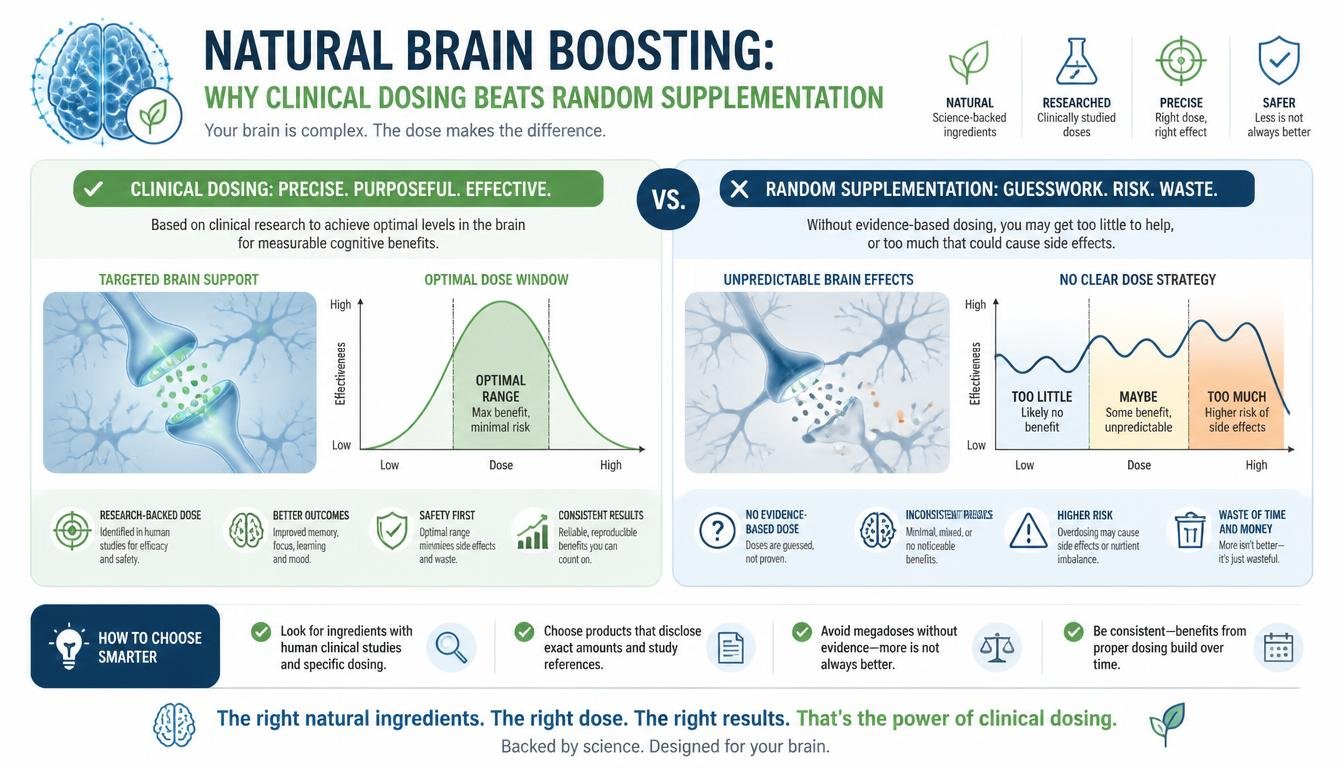
At our end, we treat training as a dosing problem. Your brain changes at the edge of your current ability, not at a comfortable, automatic level. That is why we look for progression mechanisms like:
- Adaptive difficulty: tasks that scale with performance so you stay in a productive challenge zone.
- Feedback loops: immediate results that help your brain correct and refine strategies.
- Task specificity: exercises that map to the cognitive process you want to improve (attention, working memory, processing speed, memory strategy, and so on).
- Consistency and follow-through: training schedules that patients can actually complete, which is where many products fall apart.
We also treat biological targets as part of the training context. We treat Brain-Derived Neurotrophic Factor (BDNF) as your brain’s “repair protein,” supported by training, movement, and lifestyle. That is not a marketing line. It is a clinical framing for why some protocols work better than others.
Brain Training Software vs. Real-World Memory Support (and Why “Memory Apps” Often Miss the Point)
You will see a lot of “memory apps” competing for your time. Brain training technology has to do more than run brain-themed graphics. It has to drive skill acquisition, strategy change, and measurable cognitive improvement.
Here is the blunt contrast. Many consumer tools focus on engagement, not mechanisms. You get variety, but the difficulty may not be calibrated. You get streaks, but you do not get real dosing principles. The result is often “I feel like I did something,” not “my performance changed.”
If you want the line we use internally when we review products, it is this: specialized systems with strong clinical results are built around a fundamentally different design philosophy, scientifically rigorous first, then accessible.
For a detailed comparison of cognitive training vs memory apps, use this page: cognitive training vs memory apps.
Neurofeedback and Sensor-Driven Training: Where Brain Training Technology Gets Serious
Some brain training technology uses sensors to provide real-time neurofeedback. That matters because it can let the training guide your brain state, not just your performance on a screen.
We are careful here. Real-time neurofeedback is not automatically superior in every situation. It depends on signal quality, interpretation, and whether the feedback is connected to meaningful training targets.
In practice, sensor-assisted protocols can help with calibration. They can also strengthen adherence, because you get visible feedback that training is happening. But you still need measurable outcomes and a structured protocol. Otherwise it becomes expensive novelty.
If you are comparing approaches, start by understanding your goal category. For many people, the path looks different depending on whether they are focused on preventative longevity, cognitive performance sharpening, or neurological recovery.
Brain Training Technology for Recovery: Stroke, TBI, and Skill Rebuilding
Recovery-based brain training technology cannot be generic. After a neurological event, the training has to support motor and cognitive re-learning in a coordinated way, because real-world function depends on both.
When we talk about neuro-rehabilitation, we think in systems. For example, motor skill restoration is not only about movement repetitions, it is about learning the timing, attention, and feedback that the brain uses to rebuild control.
If your interest is stroke recovery, here is the relevant approach: stroke rehab and motor skill restoration. If you want the exercise-focused view, use neuroplasticity exercises for stroke recovery.
For traumatic brain injury and professional services that focus on protocol design and follow-through, see: professional services for traumatic brain injury.
Whether you are recovering, preventing decline, or rebuilding after injury, our stance stays the same. Every protocol we deliver is grounded in published research and adapted to the individual in front of us, not a generic profile, not a marketing persona, but a specific person with specific goals, a specific history, and a specific brain.
From “Trending” to Clinically Grounded: How to Evaluate Brain Training Technology in 2026
New products appear constantly, and the “trending topic” cycle pushes a lot of untested claims. We do not dismiss new ideas, but we insist on clinical grounding and measurable progress.
Here is our evidence-based checklist for brain training technology choices in 2026:
- Clear target outcome: Are you training attention, memory strategy, processing speed, or something else specific?
- Dosing principles: Does difficulty scale, and does training load match your current capability?
- Adaptive feedback: Does the system respond to performance, not just track it?
- Consistency and completion: Can a person realistically complete the protocol over the needed timeframe?
- Outcome measurement: Is there a way to see change, not only “time spent”?
- No hype promises: You will never hear us promise to reverse ageing or unlock 100% of your brain. Those phrases belong in marketing copy, not in a clinical setting.
If you want to browse what we consider the most relevant and current themes, explore our neuroplasticity trending topic category.
Our 2026 Guide Mindset: Protocols, Not Guesswork
Modern neuro-rehabilitation is no longer guesswork. It is a measurable process built on rigorous evidence, clear dosing principles, and real follow-through.
That is also why we frame our work with a contemporary 2026 perspective. If you want the full view of how we organize recovery and training decisions, use: neurological recovery 2026 guide.
Neuroplasticity Solutions grew out of a frustration shared by clinicians, researchers, and clients alike. People were getting either generic advice or unregulated consumer products, and the gap between published research and real protocols was too wide.
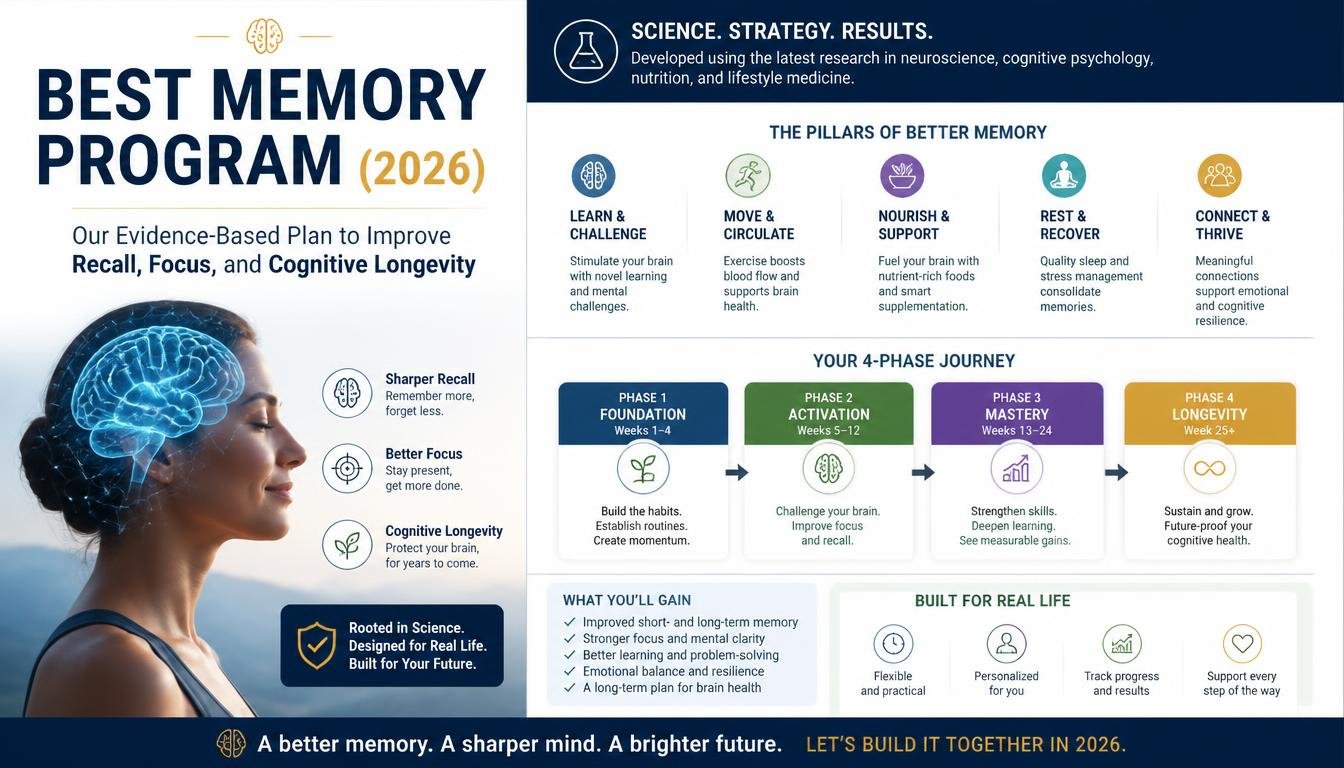
We built around the difference that matters. Not just “more cognitive activity,” but structured training that stays at the edge of current ability, measures progress, and integrates biological support where appropriate.
Choosing a Brain Training Technology Plan: What We Recommend You Do Next
If you are evaluating options right now, treat this like a clinical decision, not a gadget purchase. Brain training technology should fit your goals and your constraints.
Start with these practical steps:
- Define your goal category: neurological recovery, cognitive performance, or preventative longevity. Use our category pages to orient yourself, like new for current additions and cognitive performance for skills-focused plans.
- Ask how difficulty adapts: “Does the system adjust based on performance?” If the answer is no, your progress may stall.
- Look for measurable outcomes: performance metrics, not just engagement metrics.
- Consider biological context: we treat BDNF as your brain’s repair protein, and that connects training to movement and lifestyle.
- Expect specificity: you will get better results when the protocol matches your history, not a one-size-fits-all profile.
Evidence over enthusiasm. You need measurable progress, not vibes.
Conclusion
Brain training technology in 2026 is evolving fast, but the standard has to be higher than flashy features. The useful systems are the ones that provide adaptive dosing, measurable feedback, and clinically grounded targets like structural plasticity and BDNF support.
If you are choosing a brain training technology plan, do not start with marketing promises. Start with protocols, measurable progress, and a design that keeps you at the edge of current ability. That is how we close the gap between research-to-practice, and why our work stays rigorous.
Frequently Asked Questions
What is brain training technology, and how is it different from brain games?
Brain training technology refers to structured cognitive training that uses evidence-based protocols, adaptive difficulty, and often feedback tied to performance. Brain games are usually static and entertainment-driven, so you may get engagement without meaningful, measurable neuroplastic change.
Is brain training technology worth it in 2026 if I just want better memory?
It can be worth it in 2026, but only when the training targets memory strategy and adapts difficulty to keep you learning at the edge of your current ability. You need measurable progress, not vibes, and you should prefer training systems grounded in research rather than generic “profiles.”
How do adaptive difficulty and dosing principles work in brain training technology?
Adaptive difficulty means the tasks scale with your performance so you stay in a productive challenge zone. Dosing principles describe how much training load and intensity you need to drive learning, which is why static difficulty and predictable puzzles often underperform.
Does neurofeedback belong in brain training technology, or is it just a gimmick?
Neurofeedback can be part of brain training technology when it provides real-time neurofeedback that meaningfully guides training targets. It is not automatically better, but it can strengthen feedback loops, calibration, and adherence if paired with rigorous protocols.
Can brain training technology help with stroke recovery or traumatic brain injury?
It can, but only with recovery-oriented design that matches neurological recovery goals and measurable outcomes. We approach it as neuro-rehabilitation, not generic cognitive improvement, and we support protocols across motor skill restoration and cognitive training where appropriate.
What should I look for before paying for any brain training technology program?
Look for clear targets, adaptive feedback, dosing principles, and outcome measurement. You should also be wary of hype promises like “reverse ageing” or “unlock 100% of your brain,” because those phrases belong in marketing copy, not in a clinical setting.
How long does brain training technology take to show results in real life?
Timelines vary by goal and baseline, but the key is consistency and measurable progression over time. If a program cannot show how it tracks change and adapts challenge, it is harder to justify scientifically grounded expectations.