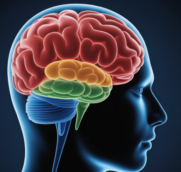
A good memory program is not “do a few puzzles.” In 2026, the gap between what people try on their own and what actually drives measurable brain change is still wide, and only 9% of Americans report feeling they have significant knowledge about maintaining brain health.
Key Takeaways: Memory Program Essentials (2026)
What a memory program actually does
|
Where people get it wrong
Memory retention habits that actually work in 2026 |
- Evidence over enthusiasm.
- You need measurable progress, not vibes.
- Programming matters: neuro-rehabilitation is structured, not improvised.
- Start with intake and a baseline so your memory program can be dosed correctly. (See memory preservation program intake assessment)
- Training should match your brain, not a generic profile. (That’s our “research-to-practice” approach, explained in our philosophy.)
- 2026 priorities: measurable intensity, cognitive longevity, and the right targets for your symptoms.

What a Memory Program Is (And What It Isn’t) in 2026
A memory program is a structured training plan designed to improve how you encode, store, and retrieve information, using neuro-rehabilitation principles and measurable outcomes. It is not random “brain gym” activity, and it is not just a pile of worksheets or a single app subscription.
In 2026, we still see the same problem: people mix up effort with effect. You can feel like you are working hard while your brain is not actually changing in the specific ways that support memory retention.
So we define a memory program by what it includes, not by what it claims:
- Targeted cognitive processes (encoding strategy, active recall, reinforcement schedule).
- Biological targets where possible, including BDNF as a “repair protein” supported by training, movement, and lifestyle.
- Dosing principles, because the brain responds to the right level of challenge, repeatedly.
- Progress tracking so you can see measurable improvement rather than “feeling sharper.”
And we draw a clear line: you will never hear us promise to “reverse ageing” or “unlock 100% of your brain.” Those phrases belong in marketing copy, not in a clinical setting. Evidence over enthusiasm.

Memory Program Design: The Parts That Create Real Change
If your memory program is built correctly, it usually includes four connected layers. When one layer is missing, people often end up with “busy but not better.”
1) Baseline and intake so your program is dosed correctly
We start with a structured intake and assessment, because you cannot dose a memory program blind. The goal is to identify your current memory profile and your recovery or prevention priorities, then match training intensity and progression.
For families and clients who want a clear starting point, we use memory preservation program intake assessment to anchor the work in measurable outcomes.
2) Reinforcement schedules that beat “one and done” learning
Memory decays fast. Most new information fades within hours unless it’s reinforced somehow. A memory program schedules reinforcement so that retrieval practice happens while the information is still accessible, but challenging enough to strengthen the retrieval pathway.
If you are trying to “remember harder,” you are often doing passive review without realizing it. Active recall is different. It forces the brain to reconstruct the memory, which is a more reliable driver of retention.
3) Adaptive difficulty, not static difficulty
Static difficulty, predictable puzzles, and passive scrolling through trivia do not meet the threshold for structural change. A clinical memory program stays adaptive, so you are consistently working close to the edge of your current ability. That is where you can expect brain change to be more likely.
4) Targets that matter: hippocampus and prefrontal networks
When cognitive training is built with the right design philosophy, it targets networks involved in memory processing. Research summaries we follow in 2026 indicate that programs using real-time difficulty adaptation and network targeting produce more measurable results than standard memory apps.
That same logic is why we differentiate between cognitive training vs memory apps. If you want a memory program that respects neuroscience, you avoid “generic profile” training.
Memory Retention Habits: How Daily Routines Fit Into a Memory Program
A memory program does not rely on one “training session” and then hope for the best. In 2026, the strongest outcomes usually come when you build memory retention habits into your daily routine.
We treat habits as the delivery system for training effects. Sleep, movement, and nutrition support the biological foundation that memory habits build on top of. The training gets sharper when the body and brain are prepared to learn.
Here are the memory retention habits we commonly program into a structured plan:
- Active recall practice (short, repeated retrieval attempts rather than rereading).
- Scheduled review windows so you reinforce memory while it is still modifiable.
- Sleep consistency, because consolidation is not optional if you want stable retention.
- Reduced multitasking, because divided attention often weakens encoding.
- Exercise, movement supports the training environment and improves learning readiness.
If you want a deeper breakdown, start with memory retention habits, where we spell out what works in 2026 and why it matters.
One note for skepticism: we do not sell “do this and everything improves.” We do not guarantee outcomes. But we do guarantee the logic is measurable and the structure is clinically grounded.

Memory Program vs Memory Apps: Why Structure Matters for Seniors
Many people ask whether a memory program can be replaced by a memory app. In 2026, the answer depends on what you mean by “work.” If you mean “pass time,” sure. If you mean measurable cognitive change, most standard memory apps fall short.
On our reading of what works for seniors, a strong memory program uses adaptive intensity and targets hippocampus and prefrontal networks. Self-guided methods are often less consistent because difficulty does not change in response to performance.
That is why we explain the difference in cognitive training vs memory apps. It is not anti-technology. It is pro-clinical design.
Here is what typically separates an evidence-based memory program from consumer apps:
- Adaptive difficulty instead of static levels that get too easy or too hard.
- Dosing principles instead of unpredictable “random practice.”
- Active recall and reinforcement instead of repeated exposure that feels productive but does not strengthen retrieval.
- Measurable outcomes instead of vague satisfaction metrics.
Also, seniors are not just “older adults.” Memory changes interact with sleep, medication schedules, mood, and daily routine. A structured memory program accounts for that. It also supports cognitive longevity by building a sustainable system, not a short burst.

When Memory Loss Follows Injury: Building a Memory Program Into Neuro-Rehabilitation
Some memory programs are for prevention. Others are for recovery. If your memory issues show up after a neurological event, you need neuro-rehabilitation logic, not generic coaching.
Our neuro rehabilitation approach is a structured process of retraining the brain and nervous system after injury, illness, or impairment, using neuroplasticity. The point is measurable retraining, not guesswork.
In 2026, we also stay realistic about timelines. Meaningful motor and cognitive gains typically require a cumulative minimum of 120 hours of therapy. That is not a motivational poster number. It is a dosing reality, because learning depends on repetition at the right level.
If you are planning for recovery and you want a clear framework for what to look for, use best neuro rehabilitation approaches in 2026 as your starting point.
A strong memory program for post-injury situations often includes:
- Retraining attention and memory strategies alongside cognitive sequencing and daily task memory.
- Home-based neuro rehabilitation structure for consistent dosing.
- Clinically grounded progression, adjusting difficulty based on performance rather than assumptions.
If you are recovering after stroke, we also connect this logic to motor-skill restoration and cognitive recovery, because real life requires coordination, not isolated drills. (For that track, see stroke rehab motor skill restoration.)
For Cognitive Longevity: How We Target Memory in a “Whole System” Program
When people say “memory program,” they often mean just training memory tasks. We treat memory as part of cognitive longevity, because the brain is not a separate appliance. It is a biological system, responding to training, movement, and lifestyle.
Whether you are a high-performing professional looking to sharpen your edge, a senior aiming to preserve memory, or someone recovering from a neurological event, our local expertise provides a proactive roadmap for cognitive longevity.
Our philosophy is simple but radical, we say it plainly: the brain you have today is not the brain you are stuck with. But that does not mean “try hard.” It means use rigorous protocols and measurable outcomes.
So our memory program tends to include:
- Cognitive health assessment to establish measurable baselines.
- Clinical dosing programs built on real-time adjustment.
- Training plus movement support because BDNF is your brain’s repair protein, supported by training and activity.
- Follow-through because brain change requires consistency.
And we keep the language clinical. We do not sell magic. We sell protocols that can be explained, measured, and repeated.
How to Choose the Right Memory Program Provider in 2026
If you are comparing providers, the easiest trap is choosing based on enthusiasm. Don’t. Choose based on structure.
Here are the questions we recommend using, especially if you are shopping for a memory program for yourself or a family member:
- How do you set baselines? A real program starts with measurable assessment.
- How do you dose intensity and progression? We look for dosing principles, not vague “keep practicing.”
- How do you ensure adaptive challenge? If difficulty does not respond to performance, you will plateau or burn out.
- What outcomes do you track? You need measurable progress, not vibes.
- How do you integrate lifestyle support? We treat BDNF as your brain’s repair protein, supported by training, movement, and lifestyle.
Modern neuro-rehabilitation is no longer guesswork. It is a measurable process built on rigorous evidence, clear dosing principles, and real follow-through.
And if you are looking at categories of care, you can also browse our content library, including cognitive performance resources and neurological recovery topics.
Conclusion: A Memory Program You Can Measure, Not Just Practice
A memory program in 2026 is a structured, evidence-based training plan that respects neuroplasticity, uses dosing principles, and tracks measurable progress. It is built to move beyond passive review, static difficulty, and generic memory app routines, and it connects cognitive training to biological support through BDNF, movement, and lifestyle.
If you want a serious alternative to “brain games,” start with intake, build memory retention habits into daily life, and choose a program that can be explained in clinical terms. Evidence over enthusiasm. You need measurable progress, not vibes.
Frequently Asked Questions About Memory Programs
What is a memory program, and how is it different from a brain game?
A memory program is structured training with dosing principles, measurable outcomes, and adaptive progression. A brain game is usually static and often relies on passive review, which does not reliably drive the structural plasticity you need for memory retention.
Do memory program exercises work for seniors in 2026?
Yes, a well-designed memory program can support senior memory because it uses adaptive intensity and targets the networks involved in memory processing. In 2026, the key difference is whether the training adjusts to performance and tracks measurable improvement.
Are memory apps worth it compared to a memory program in 2026?
Most standard memory apps are not built with the same adaptive difficulty and clinical dosing logic as a memory program. If you treat apps like a replacement for structured training, you often miss the measurable intensity needed for brain change.
How long does it take to see results from a memory program?
It depends on your baseline and dosing, but a serious memory program typically requires consistent repetition across weeks, not days. When neuro-rehabilitation is involved, meaningful gains often require a cumulative minimum of 120 hours of therapy.
What should be included in a memory program for memory retention habits?
A strong memory program includes active recall, scheduled reinforcement, and daily routines that support consolidation such as sleep and movement. It should also reduce multitasking because attention affects encoding and retrieval.
Is BDNF a real target in a memory program?
In our clinical model, BDNF is treated as your brain’s repair protein, supported by training, movement, and lifestyle. A memory program should aim for measurable training intensity, not just “brain-boosting” claims.
How do I start a memory program if I have cognitive issues after injury?
If your memory issues followed a neurological event, you need a memory program integrated with neuro-rehabilitation logic and structured progression. Start with intake assessment so the program is dosed to your deficits and recovery priorities.
