Did you know that only about 22% of stroke, brain injury, or spinal cord injury survivorsare sent to inpatient rehabilitation facilities, despite the proven benefits of intensive therapy for brain plasticity? This gap means most survivors miss the structured care needed to maximize recovery. When it comes to brain plasticity stroke rehabilitation, understanding what actually works can make the difference between partial recovery and meaningful, lasting functional gains.
| Key Point | What You Need to Know |
|---|---|
| Critical Recovery Window | The first 30 days post-stroke offer the strongest potential for neural rewiring through structured therapy. |
| Minimum Therapy Dose | At least 120 hours of structured therapy is generally necessary for meaningful motor gains. |
| BDNF Is Central | Brain-Derived Neurotrophic Factor supports synaptic growth, neuron survival, and long-term potentiation during recovery. |
| High-Repetition Training | Task-specific, repetitive movements drive activity-dependent plasticity and functional recovery. |
| Neurofeedback & Stimulation | Technologies like EEG neurofeedback, tDCS, and BrainWave entrainment are increasingly integrated into rehab programs. |
| Home-Based Tools | Robotic and digital tools enable cost-effective, high-repetition therapy at home with clinical oversight. |
| Neuroplasticity Lasts | Even patients more than 3 months post-stroke can trigger neuroplasticity with the right interventions. |
We have compiled this guide to help you navigate the best approaches for brain plasticity stroke rehabilitation in 2026. Whether you are looking for in-clinic programs, home-based tools, or complementary strategies like BDNF activation and manifestation techniques to boost brain power naturally, we cover it all below.
Brain plasticity stroke rehabilitation is a structured, multi-modal clinical process designed to help the brain and nervous system recover function after damage. It is not just about doing exercises. It is about retraining the brain through targeted, repetitive, and progressively challenging activities that force neural circuits to reorganize.
The conditions most commonly driving this type of rehabilitation include stroke, traumatic brain injury (TBI), concussion, multiple sclerosis, and Parkinson’s disease. After a stroke, damaged areas of the brain cannot simply heal on their own. Surrounding healthy tissue must take over lost functions, and this requires intensive, focused training.
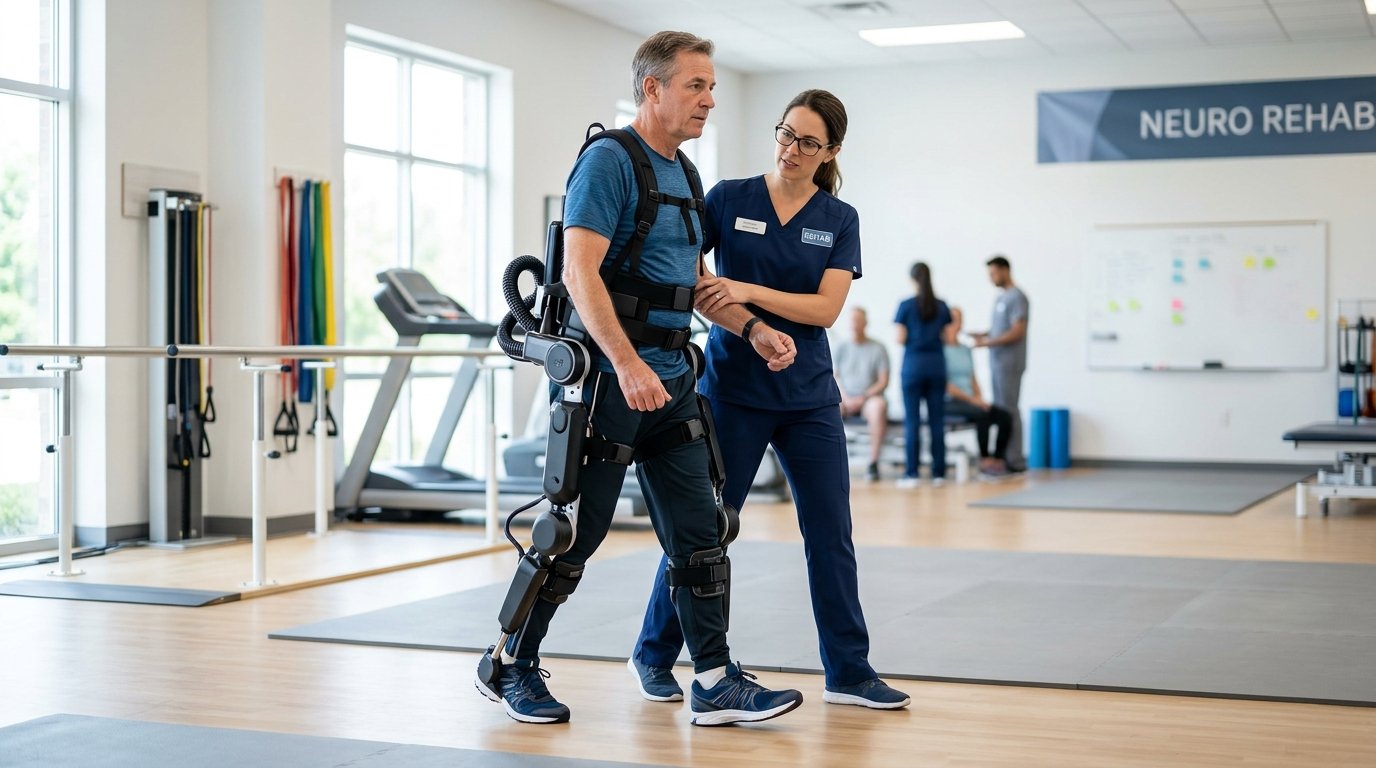
A minimum of 120 hours of structured therapy is generally necessary for meaningful motor gains. The first 30 days, often called the critical window, offer the strongest potential for rewiring. This is why early and intensive intervention matters so much in brain plasticity stroke rehabilitation.
Modern programs combine motor training with neurostimulation, cognitive rehab, and neuroplasticity principles. Some also incorporate EEG-based neurofeedback to monitor brain activity in real time and tailor protocols accordingly. The integration of BrainWave technology and BDNF-focused strategies helps boost brain power naturally without relying solely on medication.
In 2026, the best brain plasticity stroke rehabilitation programs share several core characteristics. They are intensive, task-specific, and built around the science of neuroplasticity rather than generic exercise routines.
The most effective local stroke rehabilitation services combine several elements. These include baseline assessments to map deficits, BDNF priming protocols to prepare the brain for learning, task-specific motor training, and periodic outcome reviews to adjust the program as recovery progresses.

Here is what the best programs include:
Inpatient rehabilitation facilities are distinguished by providing intensive care, typically more than three hours per day, which is essential for triggering neuroplasticity. This level of intensity is hard to replicate at home without proper tools and supervision.

BDNF, or Brain-Derived Neurotrophic Factor, is central to brain plasticity stroke rehabilitation. It is often described as the brain’s “Miracle-Gro” because it supports neural growth, synaptic strengthening, and neuron survival. Without adequate BDNF levels, the brain struggles to form new connections needed for recovery.
This is where BDNF priming comes in. Aerobic exercise is one of the most reliable ways to stimulate BDNF production. Many modern rehab protocols incorporate aerobic priming sessions before motor training to maximize the brain’s readiness for neuroplastic change. Some programs also use targeted brain stimulation techniques to further support BDNF release.
Beyond exercise, there are complementary tools that can help boost brain power naturally. The Genius Switch BDNF activation protocol uses 40Hz gamma audio entrainment as a practical, non-pharmacological tool to stimulate BDNF. At $39, it is an accessible option for use between therapy sessions to keep the brain primed for learning.
Some people also explore manifestation techniques as part of their recovery mindset. While manifestation is not a replacement for clinical therapy, the underlying principle of focused, repetitive mental practice aligns with neuroplasticity concepts. Visualizing movement and recovery outcomes can reinforce the neural pathways being trained during physical rehab.
When it comes to brain plasticity and stroke rehabilitation, not all exercises are created equal. The evidence in 2026 strongly supports high-repetition, task-specific training as the foundation of motor recovery.
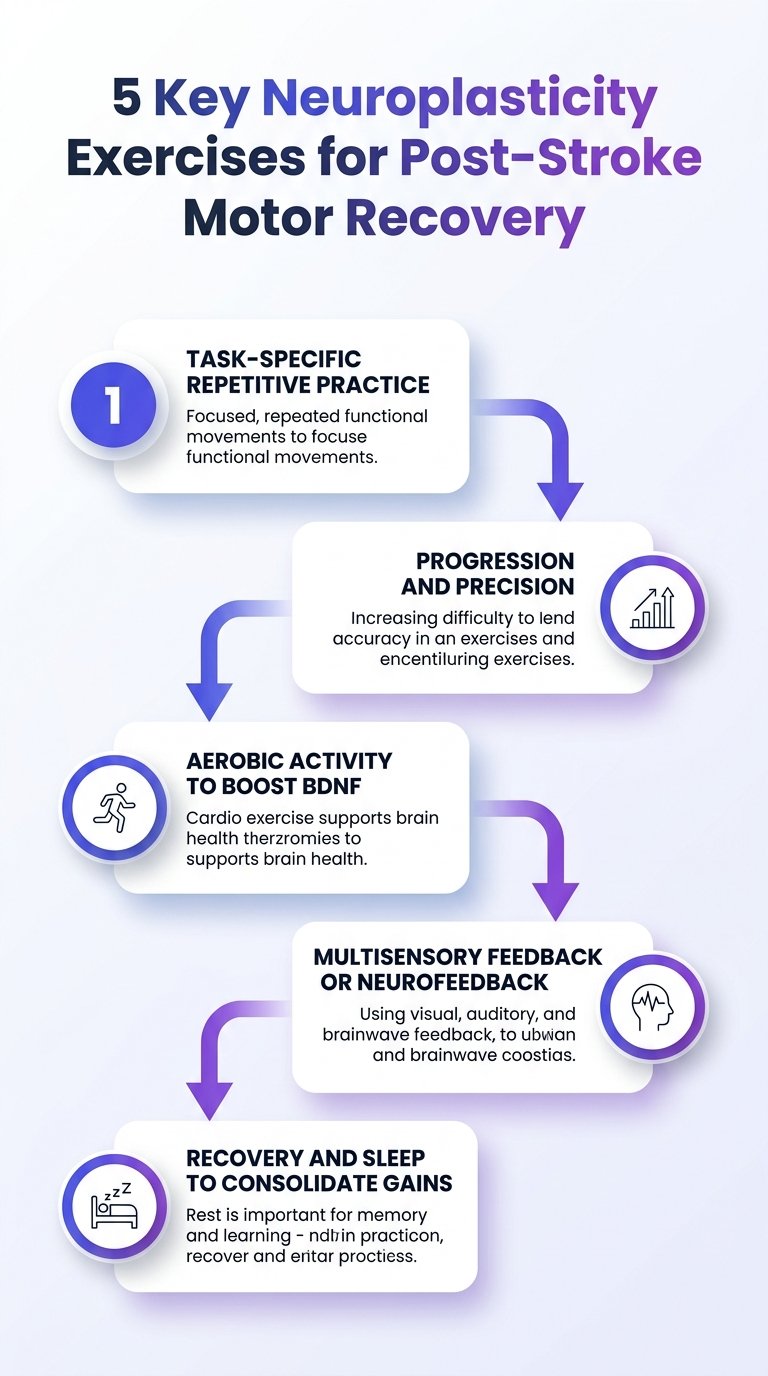
This means practising the actual movements you want to recover, not just generic strengthening exercises. If regaining hand function is the goal, then repetitive grasping, pinching, and object manipulation exercises should form the core of the program. Activity-dependent plasticity requires hundreds of repetitions per session to drive meaningful change.
Aerobic priming before motor training amplifies results. A short session of moderate-intensity aerobic exercise can elevate BDNF levels and prepare the brain for learning. This combination of BDNF BrainWave stimulation and structured motor practice is what the best programs do to boost brain power naturally.
Here is a sample weekly structure for intensive brain plasticity stroke rehabilitation:
| Day | Morning Session | Afternoon Session |
|---|---|---|
| Mon | 20 min aerobic priming + 60 min upper limb task training | 30 min gait training + 20 min BDNF audio session |
| Tue | 15 min neurofeedback + 60 min fine motor exercises | 45 min balance and core training |
| Wed | 20 min aerobic priming + 60 min reaching tasks | 30 min cognitive rehab + 30 min BrainWave entrainment |
| Thu | 15 min neurofeedback + 60 min grip and pinch training | 45 min functional mobility training |
| Fri | 20 min aerobic priming + 60 min combined motor tasks | 30 min outcome assessment + 20 min BDNF audio session |

Brain plasticity-driven therapy significantly shifts recovery trajectories for stroke survivors.
BrainWave technology is becoming a core component of brain plasticity stroke rehabilitation programs. Real-time EEG feedback helps regulate brain activity during cognitive and motor retraining, giving clinicians data to optimize dosing and outcomes.
The Genius Switch is one tool that blends this technology with botanical nootropic support. It uses 40Hz gamma audio entrainment to stimulate BDNF production, which can be used as a complement to clinical rehab to potentially enhance neural rewiring.
Neurofeedback works by showing patients their brain activity in real time. When the brain produces desirable patterns, the patient receives feedback that reinforces those patterns. Over time, this trains the brain to self-regulate more effectively, which supports both motor and cognitive recovery.
For those looking to boost brain power naturally, combining BrainWave entrainment with manifestation techniques can create a powerful mental training routine. The focused intention behind manifestation practices, when paired with evidence-based audio technology, may help reinforce the neural pathways needed for recovery.
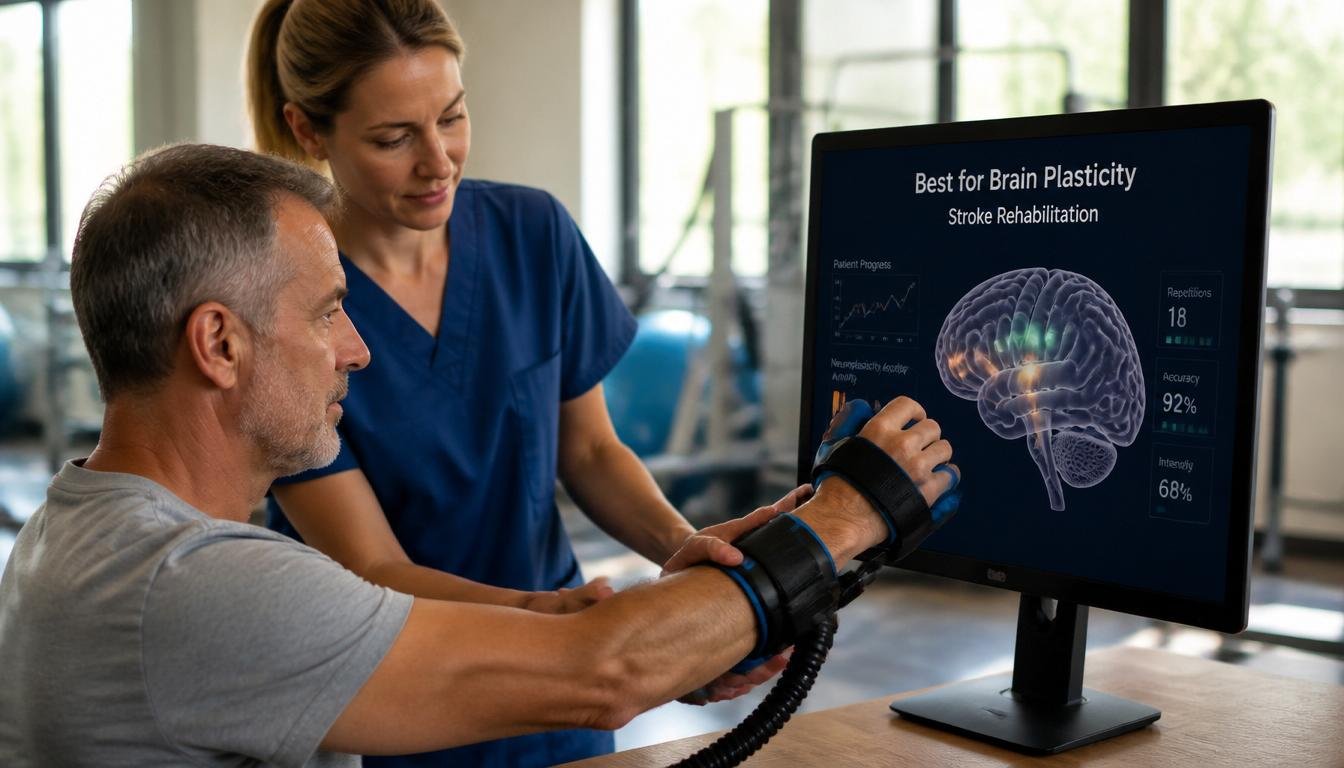
Not everyone has access to intensive inpatient rehabilitation. Home-based programs can be cost-effective and high-repetition when properly supervised. Clinical oversight improves adherence and outcomes compared to unsupervised home regimens.
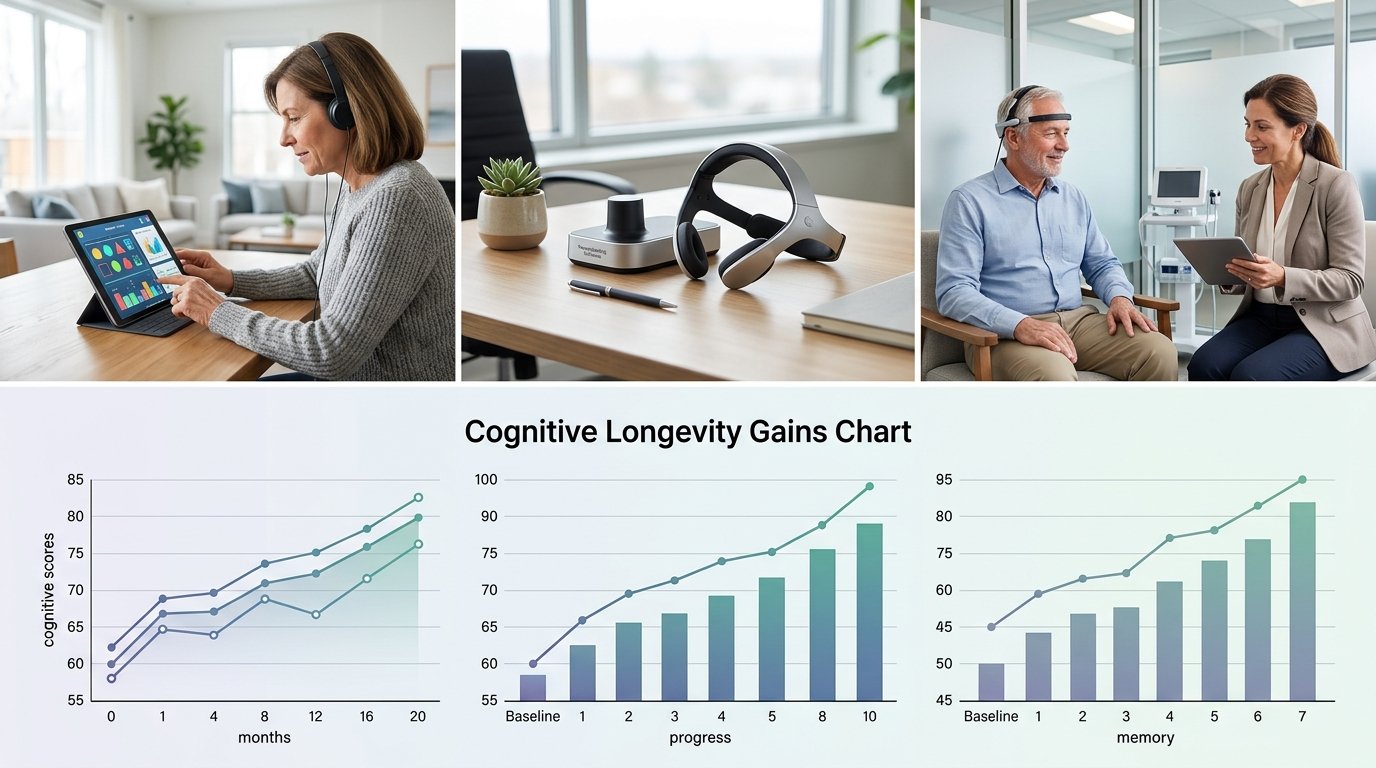
Home-based brain plasticity stroke rehabilitation tools include robotic devices, digital therapy apps, and tele-rehabilitation platforms. These tools enable patients to perform high-repetition therapy at home while staying connected to their clinical team for guidance.
The advantages are clear:
However, home-based tools work best when paired with the right priming strategies. BDNF BrainWave sessions before home exercises can help boost brain power naturally and maximize the effectiveness of each session. The Genius Switch audio series at $39 is an affordable option for this purpose.
Understanding the science behind brain plasticity stroke rehabilitation helps clarify why certain approaches work better than others. Structural plasticity involves physical changes in the brain, like new synapse formation. Functional plasticity involves reorganization of existing neural networks.
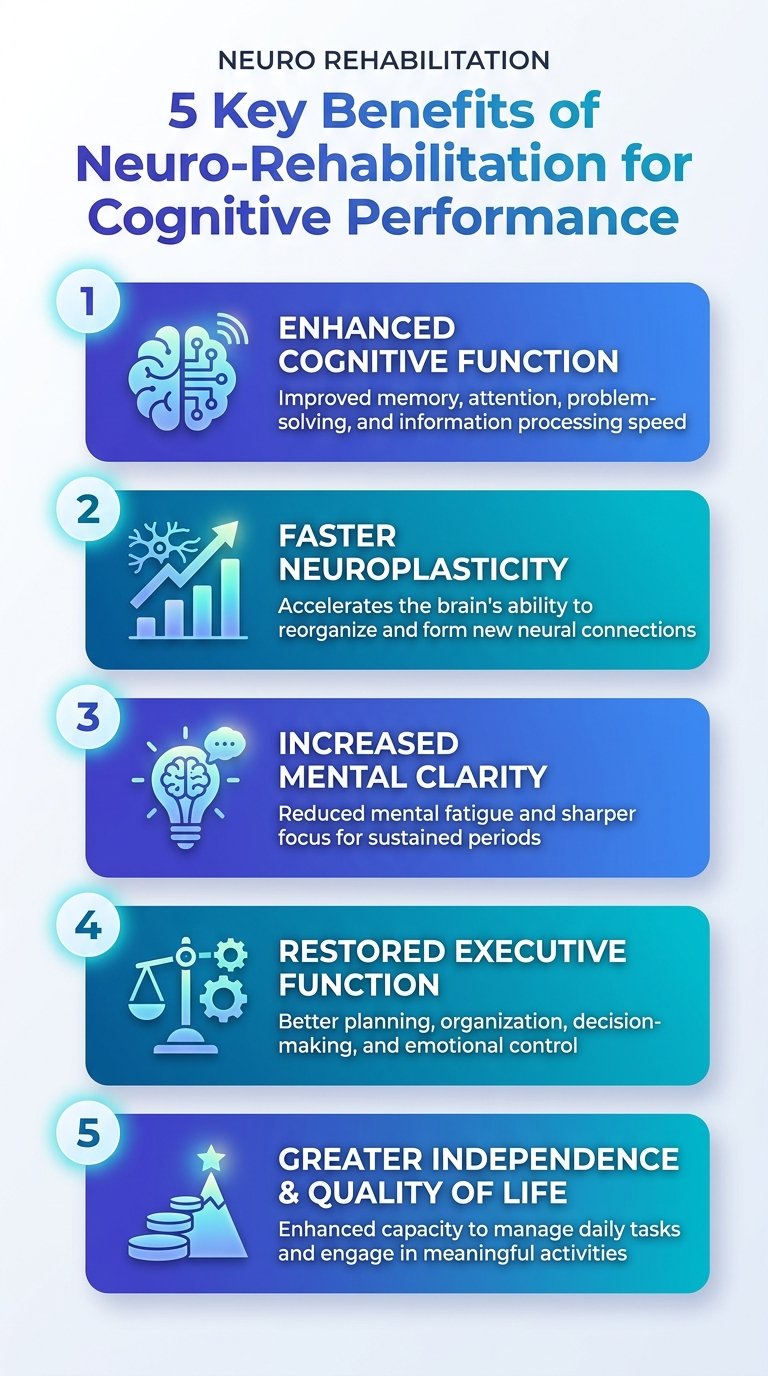
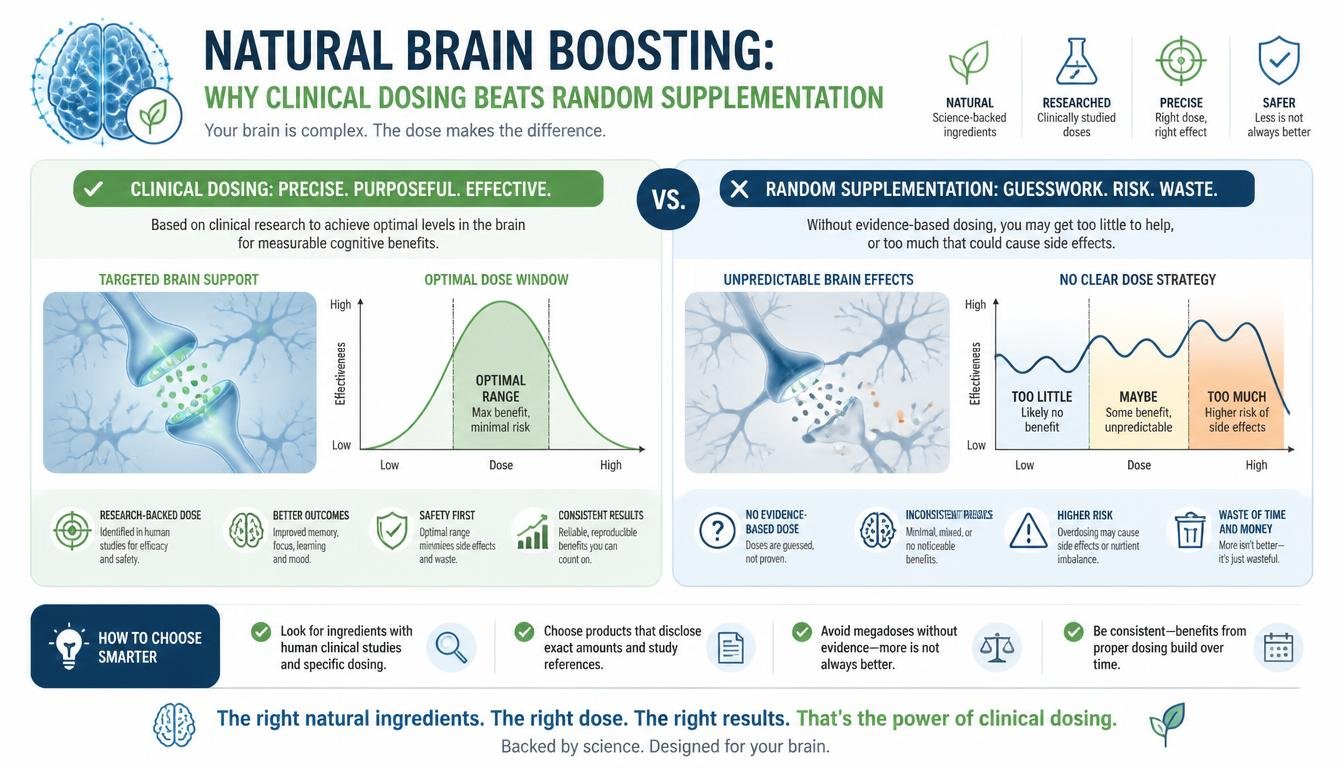
Both types require specific timing, intensity, and dosing to be effective. Too little therapy yields minimal change. Too much, too soon can cause fatigue and setback. The key is finding the right balance for each individual.
BDNF and aerobic priming are central to modern neurorehabilitation protocols because they prepare the brain at a molecular level for structural change. Without adequate BDNF, even the best motor training may not translate into lasting neural rewiring.
This is why manifestation techniques and mental rehearsal also have a place in brain plasticity stroke rehabilitation. The brain responds to repeated, focused activation of specific pathways, whether through physical movement or mental imagery. When combined with BDNF support and BrainWave technology, these practices can help boost brain power naturally and reinforce recovery.
Recovery does not end when formal rehabilitation concludes. Preventative longevity strategies focus on cognitive reserve, nutrition, and sleep to support aging brains after a stroke. Lifestyle-based neuroplasticity strategies can help delay cognitive decline and maintain the gains achieved during rehab.
Nutrition plays a key role. Certain nutrients and nootropic compounds can support BDNF production and overall brain health. Sleep hygiene is equally important, as deep sleep is when the brain consolidates learning and strengthens the neural pathways formed during therapy.
For long-term maintenance, we recommend incorporating the preventative longevity strategies into your daily routine. This includes continued cognitive challenges, regular aerobic exercise, and tools like the Genius Switch to keep BDNF levels supported.
Brain plasticity stroke rehabilitation is not a one-size-fits-all process. It requires intensive, task-specific training, adequate BDNF support, and the right combination of technologies and tools. The evidence in 2026 is clear that structured programs delivering at least 120 hours of therapy, with BDNF priming and high-repetition motor training, produce the best outcomes.
Whether you choose in-clinic programs, home-based tools, or complementary approaches like BrainWave entrainment and manifestation techniques, the goal is the same. You want to boost brain power naturally and give the brain every opportunity to rewire itself. With the right approach, even patients months or years post-stroke can trigger meaningful neuroplastic change.
We encourage you to explore the resources linked throughout this article and find the combination that works best for your recovery journey. The brain’s capacity for change is real, and with the right tools, it is accessible to far more people than most realize.
Brain plasticity stroke rehabilitation is a structured clinical process that uses repetitive, task-specific training to help the brain rewire itself after a stroke. It works by forcing healthy neural tissue to take over functions lost to damage, driven by principles of activity-dependent plasticity and supported by BDNF production.
While the first 30 days offer the strongest potential for rewiring, research confirms that neuroplasticity can be triggered in patients more than 3 months post-stroke. This means brain plasticity stroke rehabilitation remains valuable even in the chronic phase of recovery.
A minimum of 120 hours of structured therapy is generally necessary for meaningful motor gains. Inpatient rehabilitation facilities typically provide more than 3 hours per day of intensive care, which is considered the threshold for triggering neuroplasticity effectively.
Yes, tools like the Genius Switch use 40Hz gamma audio entrainment to stimulate BDNF production, which supports neural growth and synaptic strengthening. When used alongside clinical rehab, these tools can help boost brain power naturally and enhance the brain’s readiness for rewiring.
Home-based tools can be highly effective when properly supervised, offering cost savings and higher repetition rates compared to clinic-only programs. Robotic devices, digital therapy apps, and BDNF audio sessions all contribute to a comprehensive home-based recovery approach.
Manifestation techniques, when understood as focused mental rehearsal and visualization of movement, align with neuroplasticity principles. They are not a replacement for physical therapy but can reinforce neural pathways being trained during brain plasticity stroke rehabilitation sessions.
Look for programs that combine baseline assessments, BDNF priming protocols, high-repetition task-specific training, neurofeedback, and periodic outcome reviews. The best brain plasticity stroke rehabilitation services in 2026 are multi-modal, intensive, and built around the science of neuroplasticity rather than generic exercise routines.