The 60% Boost: Glymphatic System & Sleep Hygiene Checklist
Unlock your brain’s natural nighttime detoxification protocol. Learn how to maximize waste clearance and optimize neurological longevity through the power of deep sleep.

The Science of Brain Cleaning
For decades, scientists wondered how the brain, an organ with high metabolic demands, cleared its waste without a traditional lymphatic system. In 2012, researchers at the University of Rochester discovered the Glymphatic System—a microscopic waste-clearance pathway that functions like the brain’s “trash can.”
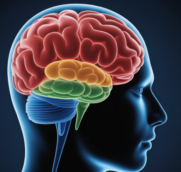
The increase in brain interstitial space during deep sleep, allowing waste products like amyloid-beta to be flushed out.
This “60% boost” is not a luxury; it is a biological necessity. When we sleep, the space between our brain cells expands, allowing cerebrospinal fluid (CSF) to rush in and wash away toxic metabolic byproducts. Failure to achieve this cleaning cycle is linked to accelerated memory decline and long-term neurodegenerative risks.
Stage 1: Daytime Priming (Preparation for the Flush)
The efficiency of your glymphatic system at 2:00 AM depends heavily on your actions at 2:00 PM. High-functioning brain clearance requires proper fluid dynamics and cardiovascular health.
Cerebrospinal fluid is primarily water. Dehydration reduces the volume and pressure of the fluid needed to “flush” the brain. Aim for consistent water intake throughout the day, tapering off 2 hours before bed to prevent sleep interruptions.
Exercise increases heart rate and blood flow, which helps maintain the “pumping” mechanism of the glymphatic system. Even 20 minutes of brisk walking supports the vascular health required for nighttime clearance.
Chronic hypertension is a leading lifestyle factor that impairs glymphatic function. Maintain healthy blood pressure to ensure the delicate vessels in the brain can facilitate fluid exchange effectively.
Stage 2: The Evening Wind-Down (Setting the Stage)
The glymphatic system is most active during Slow Wave Sleep (SWS), also known as deep sleep. If you cannot reach these deep stages, the 60% boost never happens.
Blue light from screens suppresses melatonin, the hormone that signals your brain to enter sleep cycles. Use blue-light-blocking glasses or, better yet, switch to analog activities like reading a physical book.
Alcohol is a double-threat. It disrupts sleep architecture (robbing you of deep sleep) and directly impairs the glymphatic system’s ability to move fluid. For maximum brain cleaning, avoid alcohol entirely or limit it to early evening.
Reducing cortisol levels through deep breathing or meditation primes the parasympathetic nervous system. Explore vagus nerve habits to calm the brain before the cleaning cycle begins.
Stage 3: Sleep Architecture & Environment
Physical positioning and environmental factors play a massive role in how effectively CSF can circulate through the brain tissue.
Research shows that individuals getting fewer than seven hours of sleep have significantly higher levels of metabolic waste buildup. The cleaning process takes time; don’t cut it short.
A cool environment facilitates the drop in core body temperature required for deep, restorative sleep. This temperature drop is a physiological trigger for glymphatic activation.
Preliminary studies suggest that the glymphatic system may be more efficient when sleeping on your side (lateral position) compared to your back or stomach. This position may help facilitate better fluid transport.
Why Waste Clearance Matters for Longevity
The accumulation of metabolic waste is a hallmark of many neurological conditions. For those focused on building brain resilience, sleep hygiene is the most effective “free” tool available. By clearing out amyloid-beta and tau proteins daily, you are effectively performing a nightly “detox” that protects your neurons from toxicity.
Recovery and Performance
Whether you are looking for modern neurological recovery strategies or you are an executive seeking a competitive edge in decision-making, your sleep architecture is the foundation. Without the 60% boost, cognitive fatigue sets in, leading to brain fog and decreased neuroplasticity.
For individuals recovering from injuries, the glymphatic system is even more critical. Proper waste clearance supports the healing of damaged tissues and allows targeted recovery exercises to be more effective by providing a clean, healthy cellular environment.
Frequently Asked Questions
What exactly is the glymphatic system?
It is the macroscopic waste clearance system for the central nervous system. Unlike the rest of the body, which uses the lymphatic system, the brain uses its own specialized network of channels to flush out metabolic waste during sleep.
How long does it take for the brain to “clean” itself?
The most effective cleaning occurs during 7–9 hours of consistent, uninterrupted sleep. It primarily happens during the deepest stages of sleep, which usually occur in longer bouts during the first half of the night.
Can I “detox” my brain while I’m awake?
The system is nearly 90% less active while you are awake. While daytime exercise and hydration support the system’s infrastructure, the actual “flushing” process is almost entirely dependent on being in a state of rest.
Does blue light actually stop brain cleaning?
Indirectly, yes. Blue light suppresses melatonin, which prevents you from entering the Deep Sleep/Slow Wave Sleep stages. If you stay in light sleep all night, the interstitial spaces don’t expand by 60%, and the waste remains trapped.
Is the glymphatic system related to neuroplasticity?
Absolutely. A “clogged” brain cannot form new neural connections efficiently. High waste levels create an inflammatory environment that hinders neuroplasticity protocols and slows down learning and recovery.
Take Charge of Your Brain Health
Optimizing your sleep is the first step toward lifelong cognitive longevity. At Neuroplasticity Solutions, we provide the tools, research, and strategies you need to maintain peak brain function at every age.
Explore our evidence-based programs for neurological recovery and cognitive enhancement.
Explore Recovery StrategiesFocused on cognitive longevity, neurological recovery, and preventative brain health.