Brain plasticity stroke rehabilitation is the foundation of nearly every meaningful recovery story we come across today. Research shows that patients using the Vivistim Paired VNS System alongside rehabilitation therapy see two to three times the increase in hand and arm function compared to standard therapy alone, which tells you just how much untapped potential the brain still has after a stroke.
We put together this guide to walk you through the tools, protocols, and home-based strategies that actually move the needle for stroke survivors in 2026.
Key Takeaways
| Question | Quick Answer |
|---|---|
| What drives brain plasticity stroke rehabilitation? | High-repetition, task-specific practice combined with biological priming (sleep, aerobic exercise, BDNF-boosting habits). |
| How many repetitions do stroke survivors actually need? | Protocols like Vivistim use 300-400 repetitions per 90-minute session, far more than typical outpatient visits allow. |
| Can neuroplasticity exercises be done at home? | Yes. home-based neuroplasticity tools can deliver clinic-comparable results when dosed correctly. |
| What role does BDNF play in recovery? | Brain-derived neurotrophic factor supports the growth of new neural connections and is considered a key biological driver of rewiring. |
| Are stroke rehab outcomes equal across demographics? | Not currently. Only 22% of stroke patients are discharged to inpatient rehab facilities, and access varies by race and insurance status. |
| Does cognitive impairment affect physical recovery? | Yes, post-stroke cognitive impairment affects 30-70% of survivors and is a major barrier to functional progress. |
| Is it worth exploring advanced tools like VNS? | For appropriate candidates, stroke rehabilitation services offering vagus nerve stimulation show documented gains lasting up to three years post-implantation. |
What Is Brain Plasticity Stroke Rehabilitation, Really?
Brain plasticity stroke rehabilitation refers to the brain’s ability to reorganize itself and form new neural pathways after injury from a stroke. This isn’t a vague concept, it’s a measurable biological process that responds directly to how much and how often you practice movement.
The early window after a stroke is when the brain is most receptive to this kind of rewiring. That’s why timing, dosage, and consistency matter as much as the exercises themselves.
One in three people who survive a stroke are left with residual disabilities that place a real burden on families and communities. Understanding what actually drives recovery is the first step toward changing that number.
The Role of BDNF in Brain Plasticity Stroke Rehabilitation
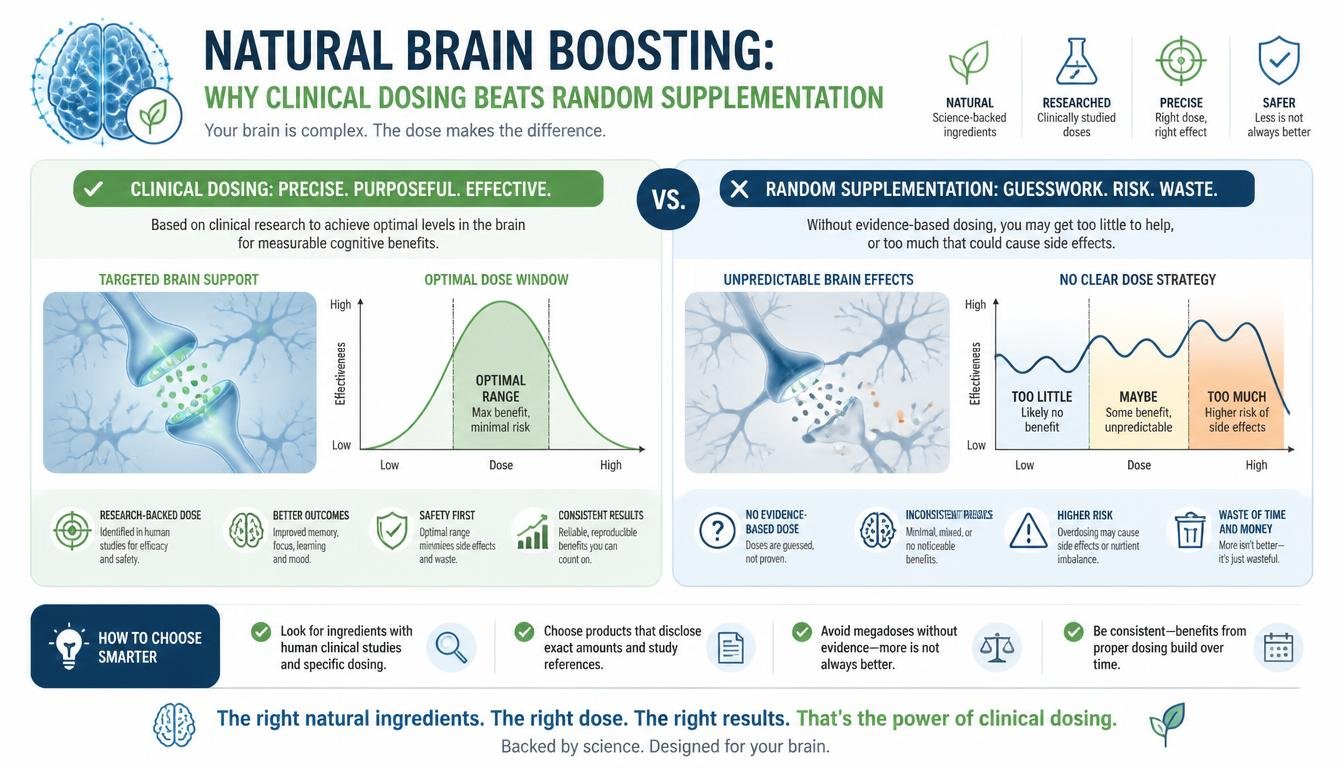
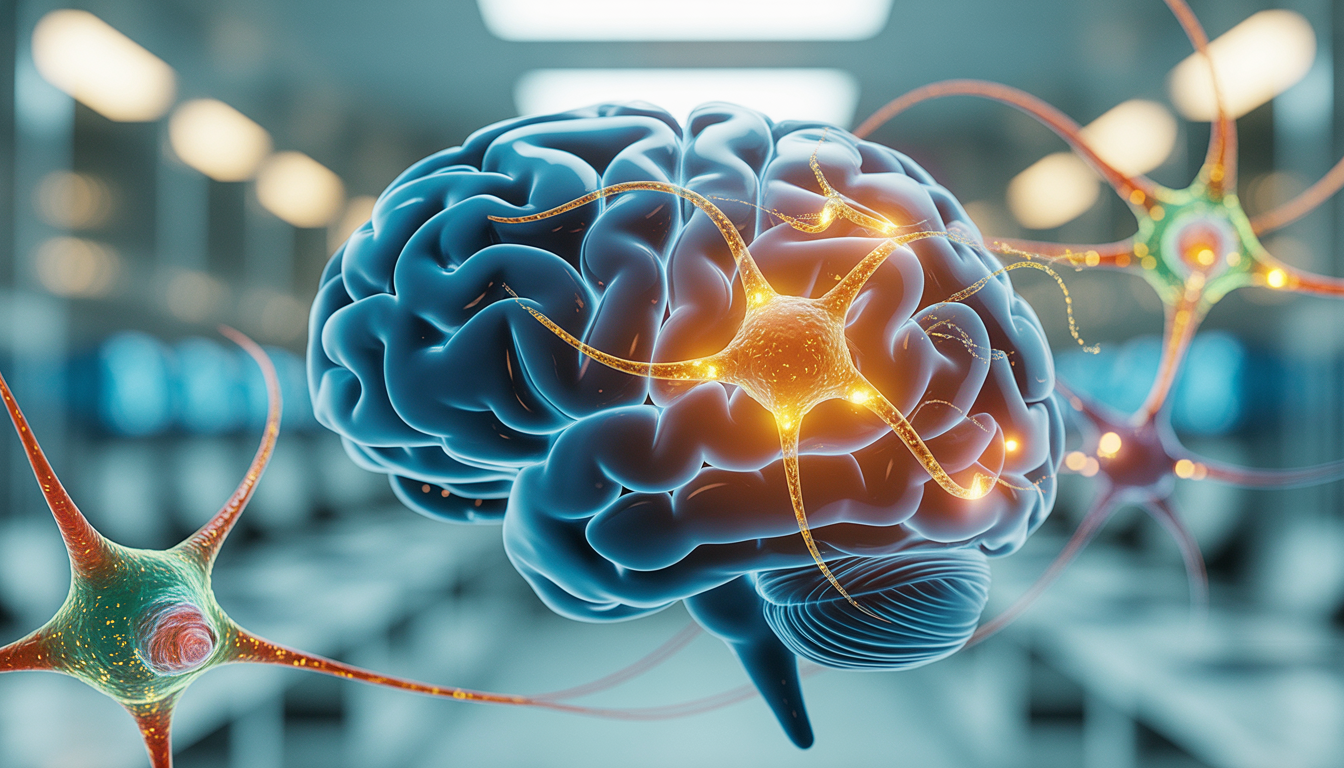
BDNF, or brain-derived neurotrophic factor, acts like fertilizer for the brain. It supports the survival of existing neurons and encourages the growth of new synaptic connections, which is exactly what you need after a stroke.
We often get asked how to boost brain power naturally without relying only on clinic visits. The honest answer is that BDNF responds well to aerobic exercise, quality sleep, and consistent mental stimulation.
Some patients also experiment with brainwave entrainment audio as a way to prime the brain before therapy sessions. One example is the Genius Switch program, a 40Hz gamma audio tool built to stimulate BDNF activity and support neuroplasticity.
At $39, it’s a low-cost addition to a rehab routine, though it should never replace hands-on therapy or your care team’s guidance. We view it as one small piece of a much larger recovery puzzle.
Best Neuroplasticity Exercises for Stroke Recovery
Not every exercise contributes equally to brain plasticity stroke rehabilitation. The ones that work best share a few things in common: they’re repetitive, task-specific, and slightly challenging.
- Constraint-induced movement therapy – restricting the unaffected limb to force use of the weaker side.
- Mirror therapy – using visual feedback to trick the brain into “seeing” movement in the affected limb.
- Task-specific repetition drills – practicing real-world movements like grasping a cup or buttoning a shirt.
- Mental practice and visualization – mentally rehearsing a movement before physically attempting it.
We break down these methods in more depth in our guide to neuroplasticity exercises for stroke recovery, including how to sequence them for the best results.
For survivors looking to move faster, our piece on exercises for rapid post-stroke motor recovery covers how to safely increase intensity without risking setbacks.
Why Repetition Volume Is the Real Secret to Brain Plasticity Stroke Rehabilitation
Here’s something most people don’t realize: the number of repetitions matters more than most people think. A study reviewing 47 studies and 3,842 participants found that multimodal neuroplastic interventions work best when dosage is high and consistent, not occasional.
The Vivistim protocol, for example, packs 300-400 repetitions across functional task categories into a single 90-minute session. Compare that to a typical outpatient visit, which might only offer a fraction of that volume, and you start to see why home practice matters so much.
This is exactly why we push so hard for home-based continuation of therapy. If the clinic can’t provide enough volume, the home environment has to pick up the slack.
Best Home-Based Neuroplasticity Tools for Stroke Survivors
Not everyone has access to daily outpatient visits, and that’s where home-based tools come in. The goal is to extend the dosage of practice beyond what’s possible in a clinic setting.
Our roundup of home-based neuroplasticity tools for stroke survivors covers affordable options that fit into a daily routine without requiring a full home gym setup.
We also expanded on this topic with additional structured routines in part two of our home tools guide, which focuses on cost-effective ways to keep momentum going between formal therapy sessions.
Consistency beats intensity here. A shorter session done daily will usually outperform a longer session done once a week.
Best Stroke Rehabilitation Services for Restoring Motor Skills
Home tools work best when paired with proper clinical support. Finding the right local services can make the difference between plateauing and continuing to improve.
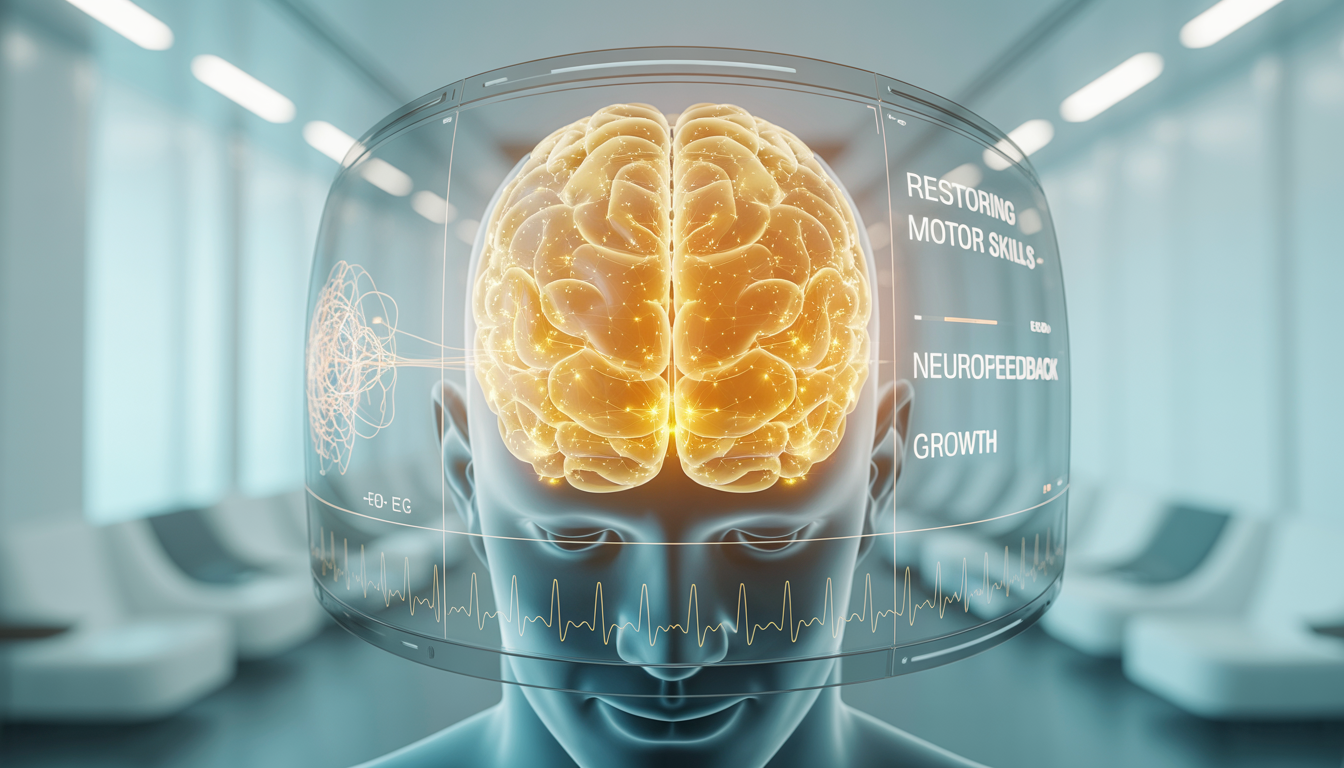
Our guide to stroke rehabilitation services for restoring motor skills walks through how to bridge the gap between hospital discharge and long-term home-based care.
Access isn’t equal across the board. Black patients have 29% higher odds of being discharged to inpatient rehab facilities compared to white patients, while Hispanic patients face 22% lower odds, after adjusting for health and insurance factors.
These disparities matter because inpatient rehab often means more repetitions, more supervision, and faster gains. If you’re navigating discharge planning, it’s worth asking directly about your options rather than assuming standard care will be offered.
Advanced Interventions: Vagus Nerve Stimulation and Stem Cell Therapy
For patients who plateau with standard therapy, some centers now offer vagus nerve stimulation (VNS) paired with rehab exercises. In clinical data, 47.2% of participants in a VNS treatment group saw improvements of 6 or more points on the Upper Extremity Fugl-Meyer Assessment after just 90 days.
Some centers report even larger gains, with 10.4-point improvements after an initial six-week VNS-REHAB protocol. Documented clinical gains have continued to build for up to three years following implantation in some home continuation programs.
Mesenchymal stem cell therapy is another area gaining attention, with patients showing an average 11.4-point increase in neurological function on the Fugl-Meyer Assessment. These are more invasive options, so they’re typically reserved for patients who haven’t responded fully to conventional brain plasticity stroke rehabilitation approaches.
Cognitive Assessment: Why Brain Power Matters as Much as Motor Skills
Physical recovery gets most of the attention, but cognitive function plays just as big a role in overall outcomes. Post-stroke cognitive impairment affects 30-70% of survivors and can quietly stall physical progress if it’s not addressed.
Understanding where you or a loved one stands cognitively helps guide the right interventions. Our cognitive assessment crosswalk for 2026 explains how MoCA and MMSE scores relate to each other and what they mean for rehab planning.
Assessment isn’t just paperwork. It’s how care teams decide whether someone needs more cognitive-focused rehab alongside physical therapy.
Manifestation Techniques, BDNF, and Ways to Boost Brain Power Naturally
Alongside clinical protocols, many stroke survivors and caregivers explore mindset-based approaches too. Manifestation techniques, structured visualization exercises where you mentally rehearse recovery goals, have gained traction as a complement to physical practice, not a replacement for it.
The science behind this connects back to BDNF and how the brain responds to focused mental effort. Combining manifestation techniques with BDNF-supporting habits like aerobic movement, quality sleep, and brainwave entrainment audio is one way people try to boost brain power naturally between formal therapy sessions.
We’re not suggesting mindset work replaces physical therapy, because it doesn’t. But pairing a calm, focused mental state with your physical practice seems to help some patients stay consistent, and consistency is what actually drives brain plasticity stroke rehabilitation forward.

Stroke survivors need hundreds of movement repetitions per session to drive true brain plasticity.
Best Tools and Strategies for Neuroplasticity After Stroke: Putting It All Together
There’s no single tool that does everything. The best outcomes we see come from combining several approaches at once: clinical therapy, home practice, BDNF-supporting habits, and cognitive assessment.
Our full breakdown of tools and strategies for neuroplasticity after stroke pulls all of these threads together into a single reference you can revisit as recovery progresses.
If you’re just getting started, our overview on neuro rehabilitation is a good place to understand how clinical and home-based pathways fit together.
Comparing Rehab Approaches at a Glance
| Approach | Best For | Typical Setting |
|---|---|---|
| Task-specific repetition drills | Early to mid recovery motor gains | Home or clinic |
| Vagus nerve stimulation (VNS) | Plateaued upper extremity function | Clinical, with home continuation |
| Brainwave entrainment audio (e.g. Genius Switch, $39) | BDNF priming before therapy sessions | Home |
| Mesenchymal stem cell therapy | Patients unresponsive to standard rehab | Specialized clinical centers |
| Cognitive assessment and training | Post-stroke cognitive impairment | Clinical evaluation, home follow-up |
We also cover many of these tools in more detail across our guides on brain plasticity stroke rehabilitation tools and protocols and our companion resource on recovery strategies for restoring function.
For a deeper dive into exercise sequencing, check our piece on what actually works for stroke recovery in 2026.
Conclusion
Brain plasticity stroke rehabilitation isn’t about finding one magic exercise or gadget. It’s about stacking the right combination of repetition, biological priming through BDNF, cognitive assessment, and consistent home practice.
Whether you’re exploring manifestation techniques to stay mentally focused, looking into ways to boost brain power naturally, or comparing clinical options like VNS, the underlying principle stays the same. The brain rewires itself in response to consistent, meaningful practice, and every tool on this list exists to support that process.
Frequently Asked Questions
What is brain plasticity stroke rehabilitation and how does it work?
Brain plasticity stroke rehabilitation refers to the brain’s ability to form new neural connections after a stroke through repeated, task-specific practice. It works best when high-repetition exercise is combined with biological support like sleep, aerobic activity, and BDNF-boosting habits.
How many repetitions are needed for real brain rewiring after a stroke?
Intensive protocols like Vivistim use 300-400 repetitions per 90-minute session, which is far more than most outpatient visits provide. This is why home-based practice is often necessary to reach an effective dose.
Can neuroplasticity exercises for stroke recovery be done without a therapist?
Many neuroplasticity exercises, like task-specific repetition drills and mental practice, can be done independently at home once a therapist has taught proper form. That said, ongoing clinical guidance helps ensure exercises are safe and appropriately progressed.
Is vagus nerve stimulation worth it for stroke recovery in 2026?
For patients who’ve plateaued with standard therapy, VNS combined with rehab has shown two to three times greater improvement in hand and arm function compared to therapy alone. It’s a more involved option, so it’s typically discussed after conventional brain plasticity stroke rehabilitation methods have been tried first.
Do home-based neuroplasticity tools actually work as well as clinic-based therapy?
Home-based tools can deliver comparable outcomes to clinic-based therapy when they’re used consistently and at a high enough repetition volume. The key factor is dosage, not necessarily the setting.
How does BDNF relate to brain power and stroke recovery?
BDNF supports the survival of neurons and the formation of new synaptic connections, both of which are essential to brain plasticity stroke rehabilitation. Activities like aerobic exercise, quality sleep, and brainwave entrainment audio are commonly used to help boost brain power naturally and support BDNF activity.
Why do some stroke patients get better rehab access than others?
Only 22% of stroke patients are discharged to inpatient rehabilitation facilities, and access varies by race and insurance status, with documented gaps affecting Black and Hispanic patients differently. This makes it important to actively ask about all available rehab options rather than assuming standard care covers everything needed.