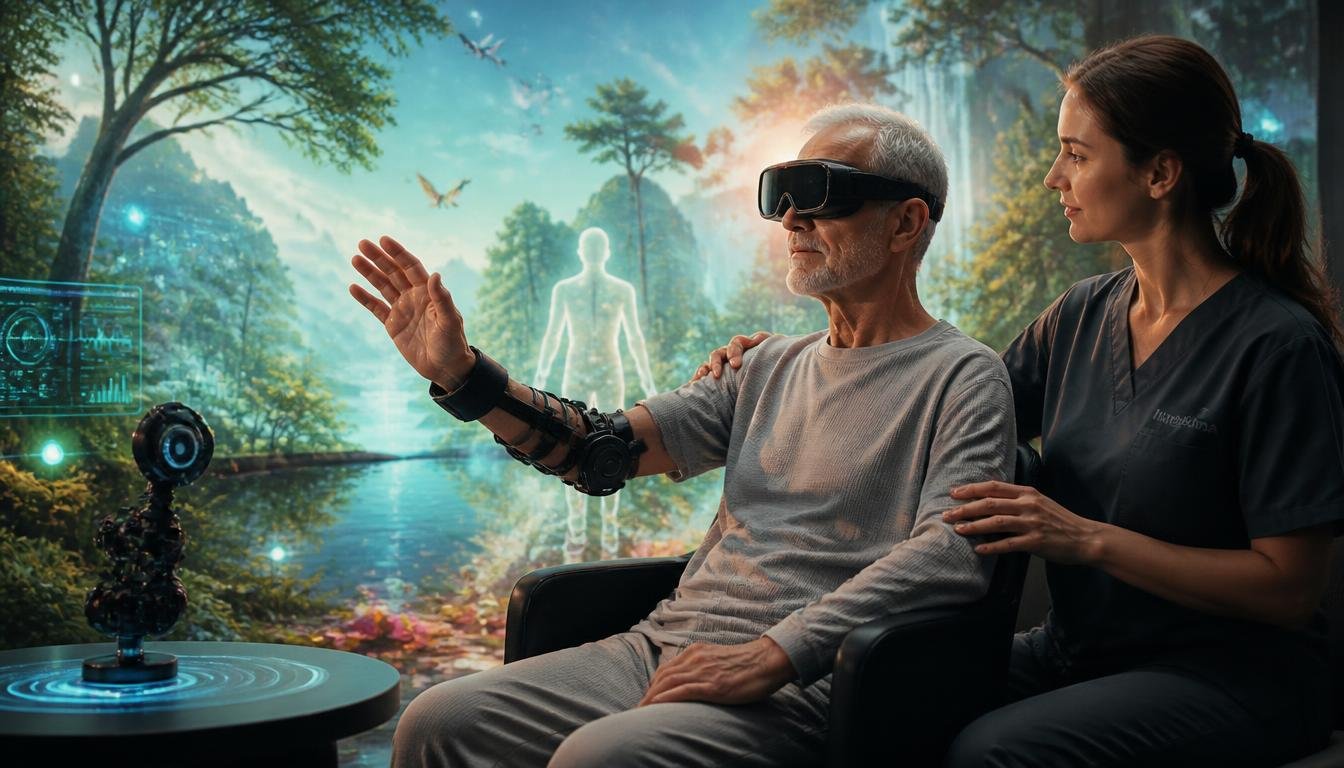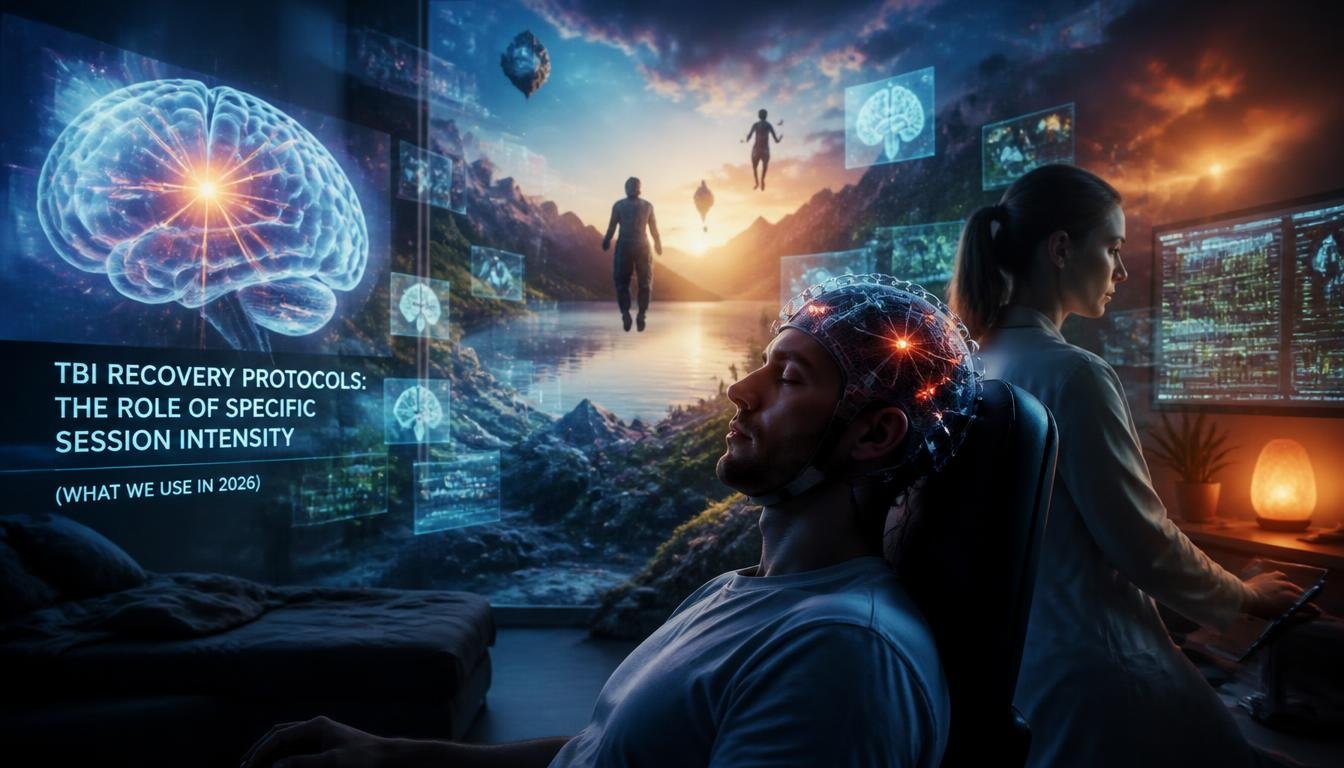
If you or someone you love is searching for stroke rehabilitation services for restoring motor skills locally, the gap between discharge and real recovery is wider than most people realize. A staggering 59% of stroke survivors discharged to home do not see a physical or occupational therapist within the first 30 days, and that window is exactly when the brain is most primed for neuroplastic rewiring. The choices you make in the weeks following a stroke are not just important, they are biologically decisive.

| Question | Answer |
|---|---|
| What are stroke rehabilitation services for restoring motor skills locally? | They are structured, clinically supervised programs delivered in your community that use neuroplasticity-based protocols to rebuild movement, strength, and coordination after a stroke. |
| How long does local stroke motor rehabilitation take? | Meaningful motor gains typically require a cumulative minimum of 120 hours of structured therapy. Functional changes can appear within weeks; structural brain changes develop over 3 to 6 months. |
| What role does BDNF play in motor recovery? | BDNF (Brain-Derived Neurotrophic Factor) is the brain’s primary growth protein. Stimulating BDNF production accelerates the formation of new neural pathways essential for motor skill restoration. |
| Is local, in-person rehab better than home-based programs? | Home programs work when rigorously supervised, but 32.5% of remote patients eventually attend fewer than 20% of sessions. In-person accountability is a clinically measurable advantage. |
| What technologies are used in advanced local stroke rehab? | Leading local clinics now use neurofeedback (EEG), tDCS (transcranial Direct Current Stimulation), BrainWave entrainment, and Vagus Nerve Stimulation to accelerate motor recovery. |
| Can recovery happen years after a stroke? | Yes. Intensive rehabilitation involving 300 hours of training produces significant motor improvements even in chronic stroke phases where recovery was previously thought to plateau. |
| Where can I find neuroplasticity-based stroke rehab resources? | Our neurological recovery resources and recovery protocol library are good starting points for evidence-based planning. |
Let’s be direct. Stroke rehabilitation services for restoring motor skills locally are not about “getting you moving again.” They are about deliberately forcing the nervous system to rewire itself through structured, repeated, measurable stimulation.
The brain is a biological system, not a motivational one. Good intentions do not rebuild neural circuits. Dosing, intensity, and sequence do.
A quality local stroke rehab service should assess your plasticity baseline first, mapping your brainwave patterns, stress biomarkers, and sleep architecture before prescribing anything. Generic programs skip this step, and the ones that skip it are the ones you want to avoid.
The best local programs in 2026 are built around a multi-modal framework. That means combining physical motor training with neurostimulation technology and cognitive rehabilitation, all calibrated to your specific neurological profile.
Here is what a legitimate local stroke motor rehabilitation service should include:
Not all local rehab is the same. In 2026, the field has divided into two camps: conventional therapy-only programs and neuro-technology-integrated programs. The evidence is clear about which produces better outcomes for motor skill restoration after stroke.
Below we break down the main service categories available locally and what each is best suited for.
The first six months post-injury are the most critical window for neuroplastic rewiring. Local intensive outpatient programs that combine daily physical and occupational therapy with neurostimulation technology are best suited here.
Key feature to look for: a minimum of three sessions per week with documented motor outcome tracking.
Fewer than 20% of stroke patients achieve full upper limb recovery using conventional physical and occupational therapy alone. Local services that integrate Vagus Nerve Stimulation (VNS) or tDCS (transcranial Direct Current Stimulation) with repetitive arm training are producing measurably superior results.
Patients receiving VNS therapy recorded a 10.4-point gain in motor function scores, compared to just 2.4 points in conventional therapy groups. If upper extremity weakness is the primary concern, this technology gap matters significantly.
Stroke patients can recover 80% to 95% of their walking ability after just 6 to 11 weeks of consistent local physical therapy. Community-based clinics with dedicated gait labs and functional electrical stimulation tools are the most accessible and effective route for mobility-focused motor recovery.
The myth that recovery stops after six months is biologically false. Intensive rehabilitation involving 300 hours of training produces significant motor improvements even in chronic stroke phases. Local neuroplasticity-focused clinics that specialize in long-term recovery, rather than just acute rehab, are your best resource here.
Here is the biology that most local rehab programs either do not explain or actively overlook. BDNF (Brain-Derived Neurotrophic Factor) is the single most important protein in the motor recovery process after a stroke.
Think of BDNF as the brain’s fertilizer. Without adequate BDNF levels, the repetitive motor training prescribed in your local clinic is working against a system that lacks the biological substrate to rewire itself properly.
Every meaningful neuroplasticity protocol we use is designed with BDNF stimulation as a central target, not an afterthought. This is where the Genius Switch BDNF activation protocol comes in as a practical tool for stroke survivors working through local rehab.
The Genius Switch uses 40Hz Gamma Audio entrainment to trigger natural BDNF production in the brain. At $39, it is a downloadable audio series that can be used between local therapy sessions to keep the brain primed for the motor learning happening in clinic.
40Hz gamma stimulation is not a wellness gimmick. It is the same frequency range used in clinical neurostimulation research and is directly connected to memory consolidation and motor circuit reinforcement. BDNF elevation through this method creates a more receptive neurological environment for the physical work happening in your local stroke rehab program.
Aerobic exercise is another powerful BDNF driver. Local programs that incorporate cardiovascular work alongside motor training, rather than treating them as separate disciplines, produce stronger and faster motor recovery outcomes.
If you want to boost brain power naturally during stroke recovery, BDNF stimulation is the most evidence-supported lever you have. It is not separate from motor rehabilitation. It is the foundation of it.
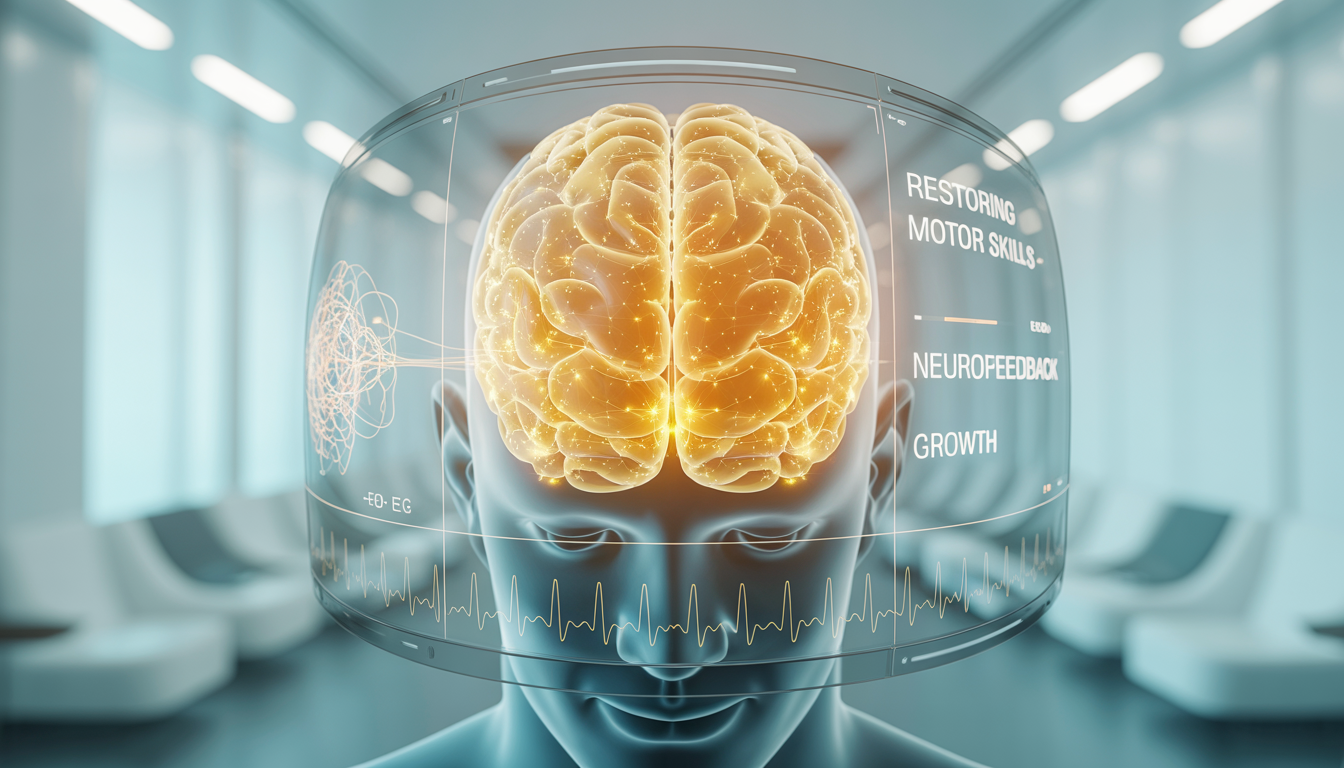
BrainWave-based tools, specifically neurofeedback using real-time EEG, are now available through a growing number of local stroke rehabilitation services. If your current local provider does not offer this, it is worth knowing what you might be missing.
Neurofeedback works by showing the brain its own electrical activity in real time, allowing it to self-regulate toward healthier, more organized patterns. After a stroke, this is particularly relevant because the affected hemisphere often shows disrupted BrainWave activity that interferes with motor signal generation.
Our neurofeedback protocols for 2026 are designed around real-time EEG mapping of individual brain states before any training protocol begins. We map your plasticity threshold using brainwave patterns, stress biomarkers, and sleep architecture. Generic programs skip this step.
A typical neurofeedback-integrated stroke rehab program involves 20 to 40 sessions, usually run in parallel with physical and occupational therapy at your local clinic. The EEG component does not replace movement-based training. It primes the cortical circuits that movement training then targets.
In 2026, local stroke rehabilitation services that combine BrainWave regulation tools with conventional motor therapy represent the standard of care we should all be advocating for.
tDCS (transcranial Direct Current Stimulation) is another neurostimulation tool increasingly available locally. It delivers a low-level electrical current to the motor cortex, effectively lowering the threshold for the brain to form new connections during motor training. Used 20 to 30 minutes before a therapy session, tDCS has shown consistent evidence of accelerating motor skill restoration in stroke populations.

Discover how local stroke rehabilitation services help restore motor skills and daily independence. The infographic highlights five key benefits of community-based rehab.
The clinical environment handles the structured therapy side. What happens outside of those sessions, in the hours and days between appointments, is just as important for motor recovery.
To boost brain power naturally in a way that directly supports your local stroke rehab program, here are the interventions with the strongest evidence base in 2026:
These are not soft lifestyle recommendations. They are biological inputs to the same neuroplastic machinery your local stroke rehabilitation program is trying to engage.
This section is the one most clinical guides skip, and that is a problem.
Structured manifestation techniques, specifically mental rehearsal, visualization of movement, and belief-based priming, have a documented neurological basis in motor recovery research. Motor imagery activates the same cortical regions as physical movement. The brain does not fully distinguish between vividly imagined repetition and actual repetition when the imaging is structured correctly.
Manifestation in the context of stroke rehab is not about positive thinking. It is about deliberately engaging the premotor cortex through guided imagery, which creates a form of neurological practice that complements the physical work happening in local sessions.
Our approach integrates structured manifestation techniques within a clinical neuro-rehabilitation framework. We treat faith, resilience, and mental rehearsal as neurologically active inputs, not motivational extras. The evidence supports this position. Belief in recovery outcomes correlates with stronger engagement with demanding therapy protocols, which directly drives the dosing required for motor skill restoration.
Manifestation without clinical structure is empty. Clinical structure without the mental and psychological engagement that manifestation techniques provide leaves real neuroplastic potential on the table. The best local stroke rehab programs in 2026 understand both sides of this.
Practical application: spend 10 minutes each morning before your local therapy session visualizing the specific motor movements you are working to restore. Be precise, not vague. The precision of the mental rehearsal is what activates the premotor circuits. BDNF elevation from morning aerobic activity combined with structured manifestation techniques before a clinic session is a clinically logical pre-treatment stack.
This is the question every survivor and family member asks first, and the honest answer is more nuanced than most local programs are willing to give you.
Functional changes, meaning noticeable improvements in daily movement, can appear within a few weeks of consistent, intensive local therapy. Structural changes in the brain, the actual rewiring of motor pathways, typically take 3 to 6 months of sustained effort.
We are deliberate about dosing requirements. Meaningful motor and cognitive gains require a cumulative minimum of 120 hours of therapy. That is the threshold below which neuroplastic rewiring remains superficial and unstable.
For context, 120 hours at three sessions per week works out to roughly 10 months of consistent local rehabilitation. Most discharge timelines from acute care fall well short of this, which is why long-term neurological recovery planning in 2026 must extend far beyond the initial hospitalization period.
For chronic stroke survivors, the timeline extends further. 300 hours of high-intensity training has produced significant motor improvements in patients who had already plateaued under conventional care. The brain you have today is not the brain you are stuck with, regardless of how long ago the stroke occurred.
Not every local option is built the same. Here is a practical checklist for evaluating stroke rehabilitation services for restoring motor skills locally in 2026.
| What to Assess | Green Flag | Red Flag |
|---|---|---|
| Assessment Process | Plasticity threshold mapping, EEG baseline, motor function scoring | One-size-fits-all intake with no neurological baseline |
| Technology Stack | Neurofeedback, tDCS, BrainWave tools, VNS options | Conventional exercise and stretching only |
| BDNF Integration | Aerobic priming, nutrition guidance, gamma audio support | No mention of neurochemical drivers of plasticity |
| Outcome Tracking | Periodic objective reviews with documented motor scores | Subjective progress notes only |
| Session Dosing | Minimum 120-hour cumulative pathway clearly articulated | Vague timelines or “results vary” without specifics |
| Home Protocol Support | Structured between-session protocols to extend clinical gains | No guidance outside of clinic walls |
| Long-Term Planning | Chronic phase recovery options beyond 6 months | Discharge at 6 months with no further pathway |
Your brain is the only organ you cannot replace. It deserves a plan built around real data, not good intentions.
The framework developed by our founder Shawnee Harkins draws from professional sports rehabilitation, clinical neuro-recovery, and med-tech to create what we call the 3-Phase Plasticity Loop: Assessment, Priming, and Integration.
Most local stroke rehab programs focus almost entirely on the active training phase. The Harkins Method positions that active training as just 30% of the outcome. The other 70% comes from priming (preparing the brain neurochemically and neurologically before training) and integration (consolidating new motor patterns into stable, functional use).
This is why two patients doing the same number of therapy sessions at a local clinic can have dramatically different outcomes. One is working with a primed nervous system. The other is not.
Priming involves BDNF stimulation, BrainWave regulation through neurofeedback, and, where appropriate, structured manifestation techniques to engage the premotor cortex before physical sessions begin. Integration involves sleep architecture support, low-intensity movement reinforcement, and cognitive embedding of the motor skills being trained.
We also integrate our preventative longevity strategies into long-term stroke motor recovery plans, recognizing that protecting cognitive health after a stroke is inseparable from the motor recovery work happening locally. The two systems are connected. A program that treats them separately is leaving outcomes on the table.
“Meaningful neuroplastic change is not a subscription you scroll through on your phone. It requires a real practitioner, a real assessment, a real plan, and real data showing how your brain is responding.”
The most important takeaway from this guide is that stroke rehabilitation services for restoring motor skills locally are not interchangeable. The gap between a conventional outpatient clinic and a neuroplasticity-integrated program is measurable in motor function scores, recovery timelines, and long-term independence.
In 2026, the technology, the evidence, and the methodology exist to give stroke survivors a genuinely better shot at full motor recovery than previous generations had. But only if those tools are being applied systematically, with a baseline assessment, a BDNF-informed priming strategy, BrainWave regulation technology, structured manifestation techniques for premotor engagement, and a long-term dosing plan that reaches the 120-hour threshold needed for durable neuroplastic change.
Do not settle for a local program that counts sessions without tracking outcomes. The brain you have today is not the brain you are stuck with. What it needs is a plan backed by data, not just effort.
Explore our neurological recovery protocols and reach out through our contact page to discuss how a structured, evidence-based approach can support your local stroke motor rehabilitation journey.
The best local stroke rehabilitation services in 2026 combine conventional physical and occupational therapy with neurostimulation tools like neurofeedback (EEG), tDCS, and Vagus Nerve Stimulation. Programs that include a formal plasticity baseline assessment and BDNF-targeted priming protocols consistently outperform therapy-only approaches for motor skill restoration.
Functional motor improvements can appear within 6 to 11 weeks of consistent local therapy, with walking recovery reaching 80% to 95% in many patients within that window. Structural brain rewiring for more complex motor skills typically develops over 3 to 6 months, and meaningful gains require a cumulative minimum of 120 hours of structured intervention.
No. Intensive rehabilitation involving 300 hours of training has produced significant motor improvements in chronic stroke patients where recovery was previously thought to plateau. Local stroke rehabilitation services for restoring motor skills are worthwhile regardless of how much time has passed since the initial event, provided the program is intensive and neuroplasticity-focused.
BDNF (Brain-Derived Neurotrophic Factor) is the primary protein responsible for forming and strengthening neural connections during motor rehabilitation. Without adequate BDNF levels, repetitive motor training produces slower and less durable results. Local stroke rehab programs that incorporate aerobic exercise, BrainWave entrainment, and nutritional support for BDNF stimulation see stronger outcomes in motor skill restoration.
Structured manifestation techniques, specifically motor imagery and guided mental rehearsal, activate the same premotor cortical regions as physical movement. This provides a form of neurological practice that complements in-person local therapy. The key is using precise, structured visualization rather than vague positive thinking, so the premotor circuits being targeted in physical sessions are also being engaged between appointments.
Ask specifically about EEG-based neurofeedback, tDCS, and 40Hz gamma stimulation when evaluating local stroke rehabilitation services for restoring motor skills. Providers trained in neuroplasticity-based rehabilitation should be able to describe their technology stack and explain how each tool is integrated into a sequenced recovery plan rather than used in isolation.
Home-based programs can be effective when rigorously structured and clinically supervised, but dropout rates are a real clinical problem, with 32.5% of remote patients attending fewer than 20% of their scheduled sessions. In-person local stroke rehabilitation services for restoring motor skills maintain significantly higher adherence, and the accountability and real-time adjustment from a practitioner produces more consistent outcomes than unsupervised home programs.