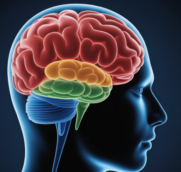

In 2026, one of the most reassuring datapoints in brain stimulation research is that a 6% dropout rate for active tDCS sessions among 2,262 participants shows how tolerable these protocols can be for real-world users who are trying to change emotional reactivity, not just read about it.
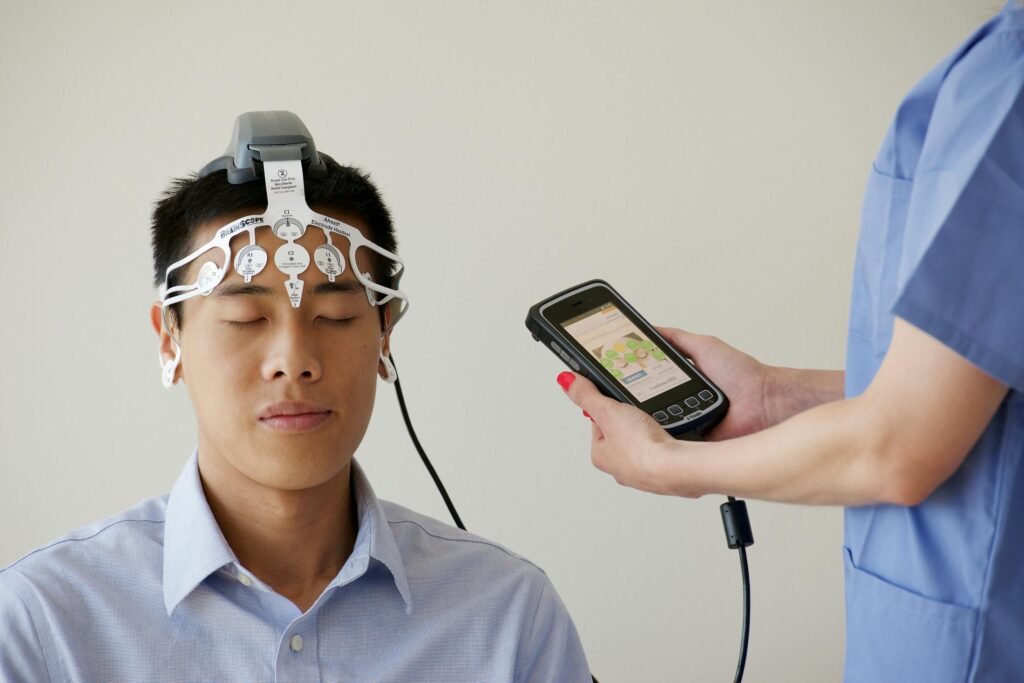
|
What it is The “Brake Pedal” effect is a way to describe prefrontal control over emotional snap reactions, where tDCS aims to strengthen the brain systems involved in pausing and regulating. |
What it isn’t It is not a magic remote control, and you cannot replace therapy, sleep, lifestyle work, or skills training with stimulation alone. |
What we measure We prioritize baseline assessment, dosing principles, and objective reporting so progress is measurable, not vibes-based. |

An at-a-glance guide to the “Brake Pedal” effect and three key benefits of tDCS for emotional regulation.
When we say The “Brake Pedal” Effect: tDCS for Emotional Reactivity, we are not trying to sound clever. We are describing a functional goal: reducing the speed and intensity of emotional snap reactions by strengthening prefrontal regulatory control.
Think of the brain as running two processes during emotionally charged moments. One process generates reactivity, the other applies inhibition and context-based regulation. The brake metaphor is about shifting the balance toward controlled responding, so your next move is not purely automatic.
In practical terms, our focus is on:
That is why we treat tDCS as a neuromodulation input, not the entire plan. Stimulation can help prime the system, but skills, context, and repeated practice are what turn priming into real-world control.
In 2026, more people are curious about tDCS because the conversation has shifted from “brain hacking” to measurable neuroplasticity programmes. People want objective reporting, not just emotional relief after a single session.
Also, the tolerability story matters. When protocols are acceptable for most participants, adherence gets better, and you get enough consistent dosing to see functional change.
We also see the evidence map getting clearer: a broad body of work points toward frontal targets being especially relevant for emotional processing. That means the “brake” idea lines up with how researchers talk about control networks, not just how marketers describe them.
Now the biology part, because you cannot run a programme on vibes. tDCS is usually discussed in terms of changing neural excitability and supporting neuroplasticity. In our framework, this is where BDNF: The Brain’s “Miracle-Gro” becomes a practical target concept.
BDNF is often described as a repair protein that supports learning and adaptation. When your system is more plastic, repeated emotional-regulation practice has a better chance of consolidating into stable behavior. That is the point of pairing stimulation with training, not just administering current.
In a 2026 context, many people also ask about the relationship between brainwave modulation and BDNF support. That is where terms like manifestation manifestation techniques BDNF BrainWave boost brain power naturally start showing up in real conversations, even if the wording is a little chaotic. We treat that as a signal of interest, and we simplify it:
Our “brake pedal” model is therefore functional, not magical. We aim to help the prefrontal system participate more effectively in real-time control, so emotional arousal does not fully drive the output.
Here is the part most people skip, then wonder why nothing changes. A tDCS plan for The “Brake Pedal” Effect: tDCS for Emotional Reactivity only makes sense when it is treated like a biological system with inputs, outputs, and measurable progress.
We start with baseline assessment. That means we look at how you currently react, how fast, and what patterns predict the moment when the emotion becomes behavior. We then set a training task that matches the emotional context you care about.
From there, dosing principles take over:
If you have read this far and you are thinking, “Ok, but where does this fit among neuroplasticity work in general?” it fits naturally. Our broader neurological recovery model emphasizes baseline measurement, dose, and progress tracking as the backbone for measurable programmes (see Neurological Recovery in 2026).
We get it, people want the easiest path. But if you try to replace emotional regulation skills with a device alone, you usually get partial relief at best, and no lasting behavior change at worst.
In 2026, the most consistent approach is a hybrid model:
That means we also avoid “one-click calm” myths. A brain stimulation protocol is not a personality transplant, and it does not override untreated sleep issues, ongoing stressors, or untreated anxiety.
If you want practical complementary training ideas, our library of recovery and cognitive programmes can guide the structure. For example:

We use examples like Genius Switch – Activate Your Brain’s BDNF with 40Hz Gamma Audio (listed as Only $39 on relevant pages) to illustrate how priming ideas can be paired with disciplined routines. It is not a substitute for tDCS in an emotional reactivity programme. But it reflects the same logic: priming plus training, not priming alone.
Emotional reactivity looks different across life contexts. The “brake pedal” metaphor is useful because it maps onto common patterns: feeling triggered, acting fast, regretting it later.
We see strong fit when any of the following are true:
And because 2026 is full of new brain technologies and viral frequency claims, we also include a critical screening step. We practise evidence over enthusiasm, which means we verify the role each tool can realistically play in your outcome tracking.
You will never hear us promise to reverse everything at once or to “unlock 100% of your brain.” Your brain is the only organ you cannot replace, so we treat this responsibly.
So what should you expect from The “Brake Pedal” Effect: tDCS for Emotional Reactivity?
If you also work on cognitive performance alongside emotion, it is worth noting that prefrontal tDCS has been linked to measurable cognitive function score improvements in clinical trial contexts, which supports the idea that the “brake” system affects more than emotion alone.
And if your question is, “Is tDCS worth it in 2026?” the most honest answer is: it can be, when it is delivered as part of a structured, measurable programme with real accountability.
The “Brake Pedal” Effect: tDCS for Emotional Reactivity is a clear, practical framework: strengthen prefrontal regulation so emotional arousal does not fully drive behavior. In 2026, the best results come from evidence-first protocols, baseline measurement, and repeated emotional regulation training, paired with accountability loops so progress is measurable.
If you want a proactive roadmap that respects biology, we practise evidence over enthusiasm. We also keep the plan grounded in neuroplasticity solutions, where BDNF: The Brain’s “Miracle-Gro” logic supports the idea that priming plus disciplined practice is how you get real follow-through.
In 2026, it can be worth it if it is delivered as part of a structured, measurable programme with baseline assessment and objective reporting. The “Brake Pedal” Effect: tDCS for Emotional Reactivity works best when stimulation primes the prefrontal system and you pair it with real regulation training.
Research on frontal and prefrontal stimulation supports improvements in emotional processing and regulation, and some studies show reduced aggressive responses in specific experimental contexts. With The “Brake Pedal” Effect: tDCS for Emotional Reactivity, we focus on performance change you can track, not just short-term calm.
Most programme designs treat tDCS as a dosing sequence, not a single session. In evidence summaries, outcomes often relate to repeated exposure, such as 15 daily sessions in relevant clinical contexts, but your plan should be personalized to baselines and measured progress.
Yes, but it should be done as an add-on to training and measurement, not as a replacement for skills or accountability. If you are exploring manifestation manifestation techniques BDNF BrainWave boost brain power naturally, keep the focus on what is measurable and repeatable alongside your The “Brake Pedal” Effect: tDCS for Emotional Reactivity plan.
Start with baseline assessment of your emotional triggers, timing, and behavior outcomes, then define what “better” looks like. Our approach emphasizes progress must be measurable, so you can see whether the programme reduces reactivity and improves control in real-life situations.
Tolerability data in clinical trial contexts suggests active tDCS protocols can have low dropout rates, which supports general feasibility. Still, safety screening and responsible protocol design matter, especially if you have neurological history, medications, or existing mental health conditions.