How to Choose the Right Stroke Rehab Program in 2026 starts with one uncomfortable truth: Families discover fast that choosing an inpatient rehabilitation facility (IRF) over a skilled nursing facility (SNF) is associated with a 6.5% lower 90-day mortality rate. Stroke recovery is not the same for every person, and in 2026 we have better tools than ever to match rehab intensity, dosing, and neuroplasticity goals to the way brains actually recover.
| What to check in 2026 | Why it matters for stroke recovery | Quick “best-for” rule |
|---|---|---|
| Functional vs. structural plasticity | It tells you whether you are aiming for faster task gains (weeks) or longer-term rebuilding (3 to 6 months). | Best for: setting realistic timelines and avoiding disappointment. |
| Measured baselines and follow-ups | Evidence over enthusiasm. We want your brain health markers, motor outcomes, and attention to be trackable. | Best for: people who refuse to “hope-based” rehab. |
| Correct dosing of practice | Repetition drives synaptic reinforcement. Too little intensity slows change. | Best for: high-performing professional recovery, and anyone who wants measurable results. |
| Right combo of modalities | Stroke rehab is not one tool. It is a structured, multi-modal clinical process. | Best for: clients needing both motor retraining and cognitive support. |
| Local clinical presence or accountable remote support | Physical proximity matters for correct technique, safety, and progression decisions. | Best for: families who want hands-on guidance, not just videos. |
| BDNF and attention support (when appropriate) | In 2026, many programmes also address Brain-Derived Neurotrophic Factor (BDNF) pathways to support neuroplastic change during training and recovery. | Best for: people whose attention and sleep interfere with rehab progress. |
Note: We cannot promise outcomes that biology does not support. We can help you choose a programme with evidence-based structure, correct dosing, and measurable follow-through.
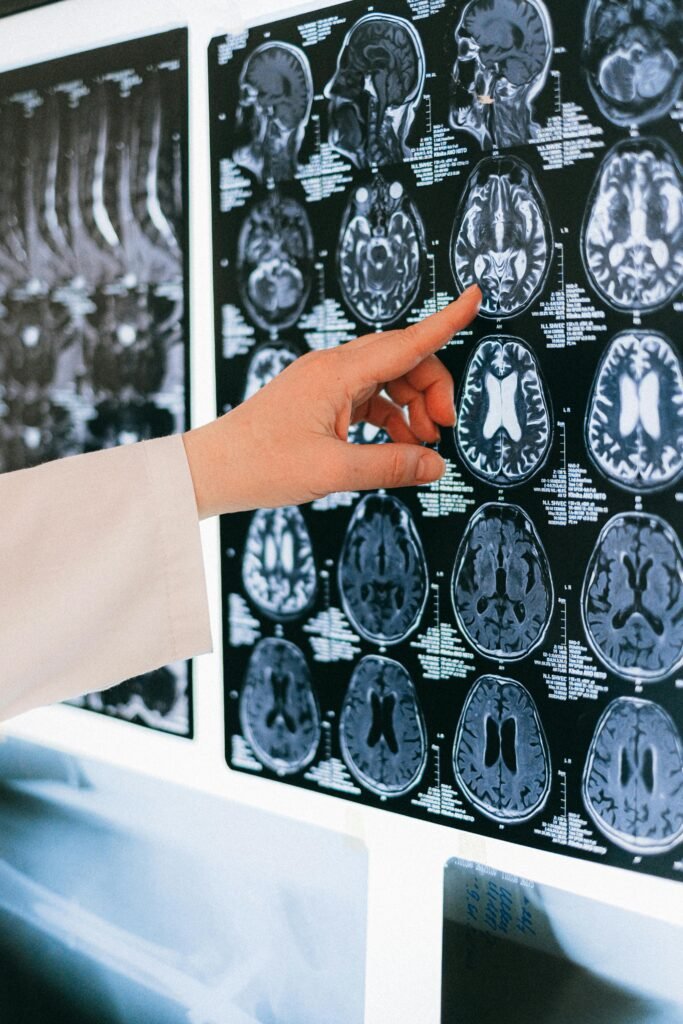
When someone asks us How to Choose the Right Stroke Rehab Program in 2026, we start with biology: what kind of recovery is the programme actually targeting, and how is it dosing practice?
The brain you have today is not the brain you are stuck with. But rehab still has rules. In 2026, the best programmes treat stroke recovery as a structured, multi-modal clinical process, not a one-size “therapy playlist.”
This is where many families get misled. If a programme focuses only on short-term “feels better” wins, you may get movement gains without durable change. If a programme ignores the learning window entirely, you may feel stuck early on.
For a clear blueprint of what we mean by neurological recovery as a measurable process, review Neurological Recovery in 2026: A Practical, Evidence-Based Plan.
Stroke recovery changes over time. So should your rehab plan. In 2026, the most responsible approach is staging your goals and adjusting intensity based on what your brain and body can handle safely.
Ask the programme team directly which phase they are designed for, early reactivation (getting movement and basic control back), active skill building (precision and coordination), or longer-term consolidation (durable function, daily life independence).
Modern programmes also screen for barriers. Vision issues, apraxia, fatigue, depression, attention deficits, and sleep problems can all derail progress if nobody plans for them.
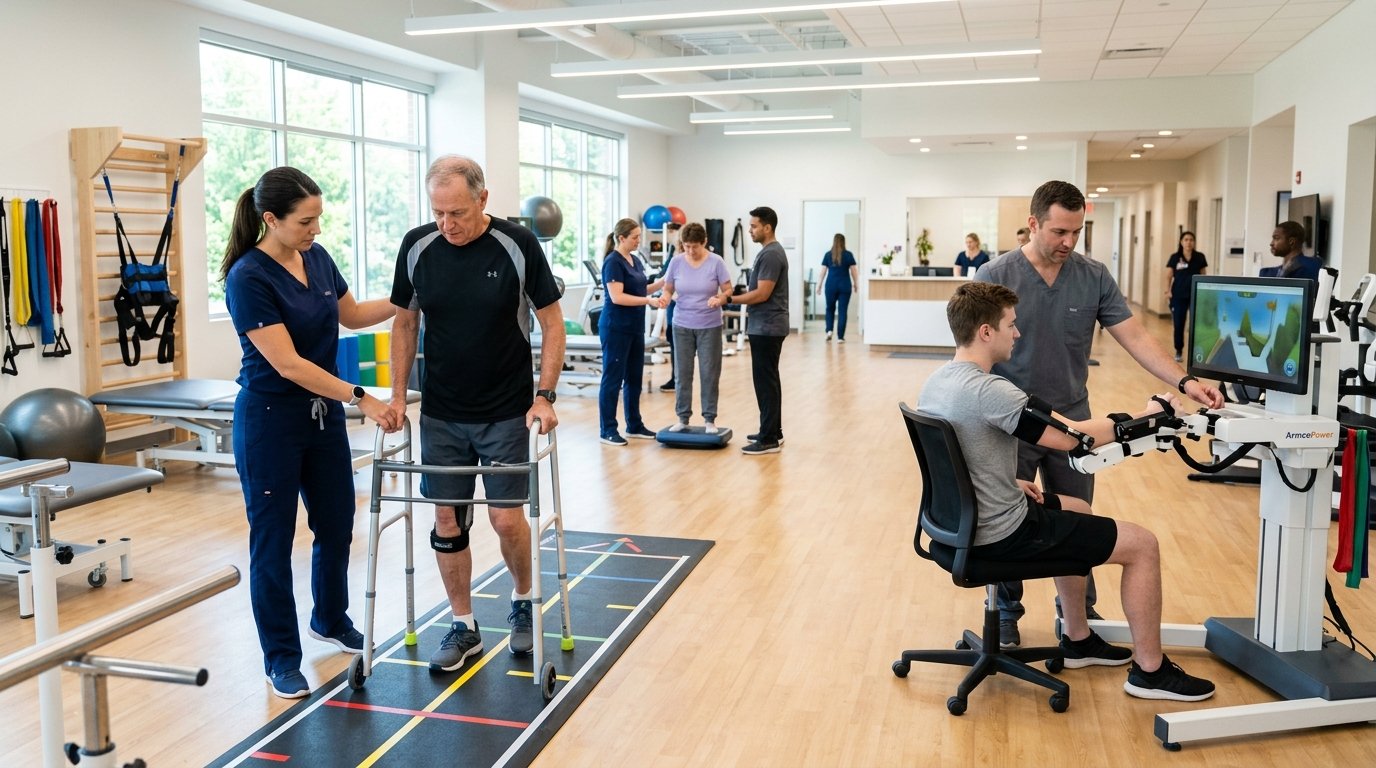
Here is the core decision point for How to Choose the Right Stroke Rehab Program in 2026, does the programme use modalities with evidence and a dosing logic you can actually understand?
In 2026, we see too many “therapy menus” without progression rules. Evidence over enthusiasm means you should hear specifics, not vague promises.
That demographic shift matters because younger survivors often need rehab plans that respect work schedules, cognitive demands, and faster return to daily performance. So when you are learning How to Choose the Right Stroke Rehab Program in 2026, look for programmes that can integrate vocational function, attention, and executive control into the training plan.
And if the programme uses neurotech tools, ask what they are measuring and why, for example, sensors for brainwave activity and feedback loops for neurofeedback protocols.
Some people come to us looking for a “signal boosting” tool; they hear BDNF and brainwave stimulation and want the fastest path. Evidence over enthusiasm, so we explain it like this, neuroplasticity is a biological process, not a motivational one.
If a programme offers neurofeedback for executive function, ask how long clients keep their improvements after treatment. One of the key reasons families consider it in 2026 is that 80% to 90% of neurofeedback clients maintain improvements 6 to 12 months after completing treatment, without needing ongoing sessions.
If BDNF is part of the plan, ask what it is supporting. In our framework, BDNF is the Brain’s “Miracle-Gro,” and the goal is to align training and neurostimulation so you support synaptic reinforcement, not just distraction reduction.
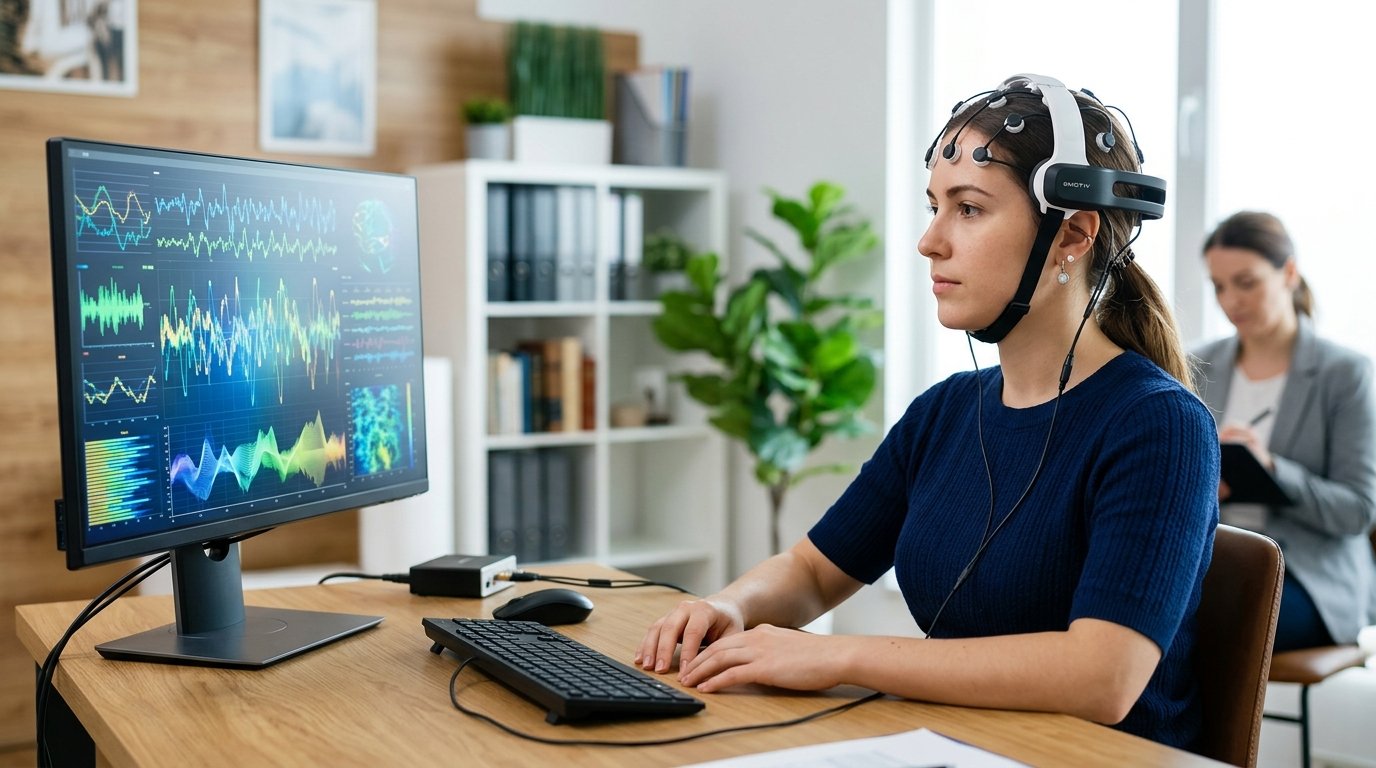
Also, if you notice attention issues during rehab, do not assume it is just “focus.” In 2026, we often pair training with structured support for sustained attention, and that is where our approach to manifestation manifestation techniques BDNF BrainWave boost brain power naturally shows up in practice as a bias against passive, low-dose digital consumption and a focus on neurobiology and correct training pacing.
Yes, people use that phrase online, but we keep it grounded. The “technique” is not a belief system. It is a protocol logic that supports BDNF and brainwave regulation while you do the work that actually drives change.
Stroke rehab asks for repeated effort. Attention fatigue makes people quit early. In 2026, this is not a personal flaw, the brain adapts to what you feed it.
One data point we use when we explain the attention trap is that the average attention span for digital content has dropped to 8.25 seconds in 2026, down from 12 seconds in 2020. If your sessions depend on sustained effort, constant scrolling can quietly sabotage the work.
That is why How to Choose the Right Stroke Rehab Program in 2026 sometimes includes a digital neuro-detox component. Not as a trendy add-on, but as a way to restore sustained attention and reduce cognitive drain so practice time becomes effective time.

If you are weighing programmes, ask whether they include “brain-friendly structure” for daily life. That can include sleep routines, reduced algorithmic overconsumption, and cognitive training to rebuild sustained attention.
And again, we are careful here. Meaningful neuroplastic change is not a subscription you scroll through on your phone. It is trained repetition plus biological support. That is the line between credible rehab and low-intensity digital noise.
If you want the detailed framework, read Digital Neuro-Detox 2026 – The Complete Best-For Guide.
Cost alone rarely tells the story. In rehab, the setting and clinical intensity matter. When families ask us how to decide, we suggest comparing the level of care, the expected timeline, and whether follow-through is built into the plan.
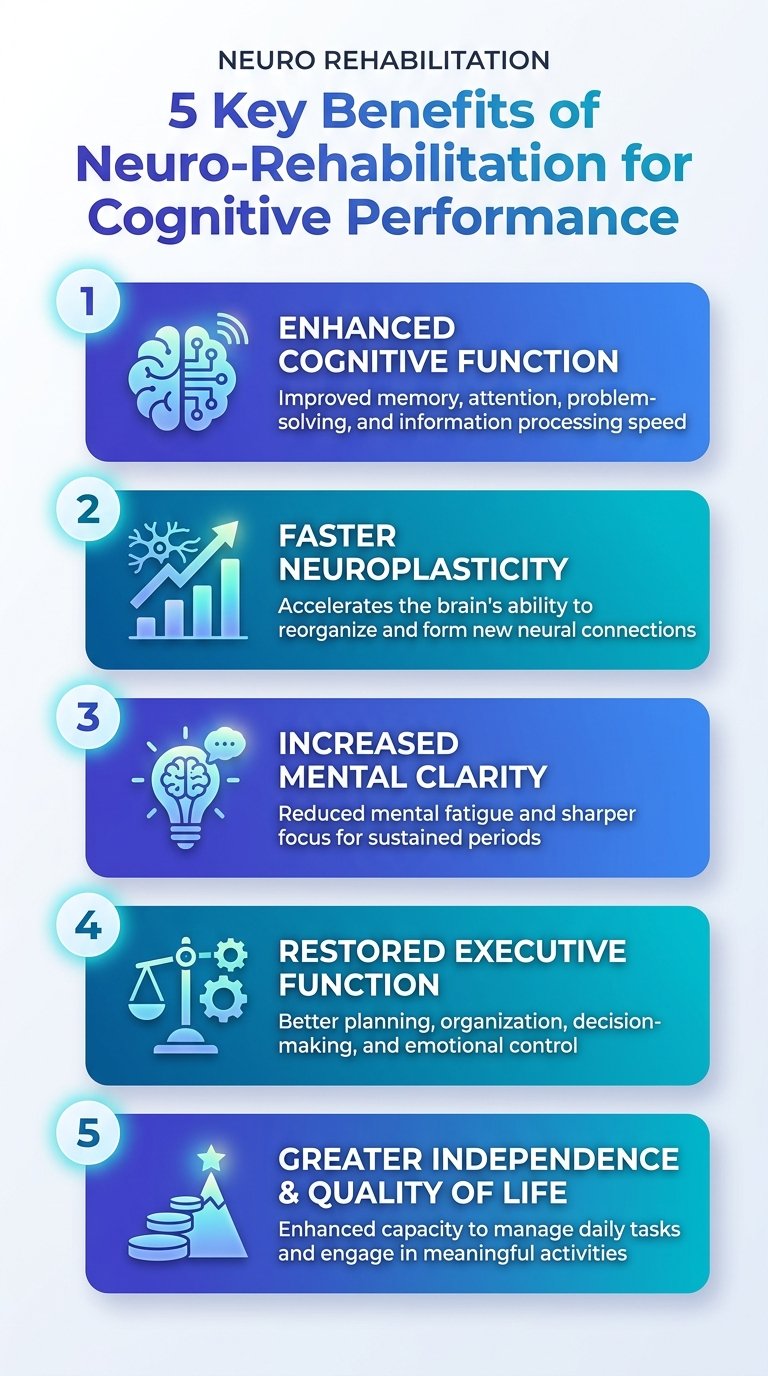
In 2026, families also face more hybrid options, hospital-at-home style models, and more remote support. The question is not whether it is digital or in-person. The question is whether the programme can ensure safe technique, correct dosing, and measurable progression.
So in How to Choose the Right Stroke Rehab Program in 2026, treat “best” as value, not only price. Ask what they are doing differently that impacts long-term quality of life, for example, more intensive therapy early, better goal tracking, safer transitions, and structured practice that continues after discharge.
We categorize rehab needs into four common groups. This helps you pick a programme that fits your day-to-day reality.
For stroke-specific neurological recovery frameworks, our clinical collections focus on dose, neuroplasticity, and BDNF-driven support. Start with Neurological Recovery, and then explore the supporting tools if they match your needs.
Also, watch for any programme that avoids measurable outcomes. Your brain is the engine of your life, but engines need instrumentation. We need baselines, follow-ups, and progression logic.
Some stroke survivors want BDNF activation to be the main event. We understand the appeal. BDNF is compelling because it supports neuroplastic change, and it is often described as Miracle-Gro for neurons.
But we keep the hierarchy straight. Therapy is the main driver, BDNF and brainwave tools are supportive biological context that can make training more effective when paired correctly.
If you are considering the kind of protocol we build around BDNF support, our Genius Switch – Activate Your Brain’s BDNF uses precision 40Hz gamma audio stimulation designed to trigger your brain’s natural BDNF production, no pills, no prescriptions, sound-based stimulation.
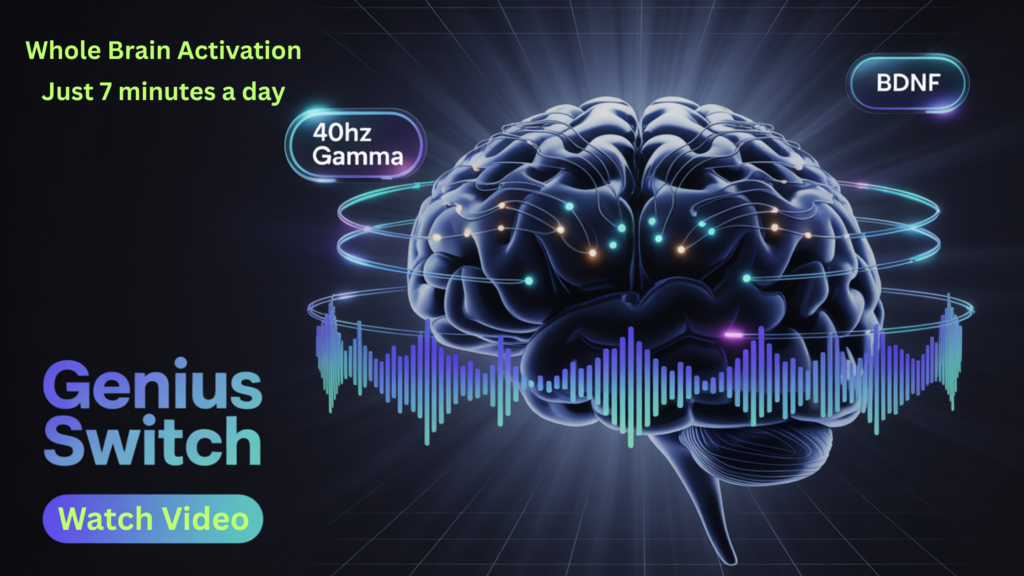
Price matters too. In 2026, the Genius Switch is listed at $39 as a one-time purchase with lifetime access and a 90-day guarantee. That is not “stroke rehab” by itself, but it can be a component some clients use alongside structured recovery training.
Now, about the phrase you may have seen online, manifestation techniques, BDNF, and BrainWave boost brain power naturally. We are not interested in empty claims. We are interested in whether a tool supports attention regulation and BDNF pathways in ways that complement correct dosing, measurable practice, and neuroplasticity fundamentals.
If you want a fast way to screen programmes, use this checklist. It is built for the real questions people ask when they are ready to act in 2026.
If you want a deeper look at how we structure programmes with evidence over enthusiasm and measurable progression, see neuro-rehabilitation and our approach to recovery planning.
How to Choose the Right Stroke Rehab Program in 2026 focuses on aligning evidence-based modalities with appropriate dosing, realistic timelines, and measurable follow-through. We recommend you verify whether the programme targets functional vs structural plasticity, tracks baselines, and builds a structured plan that supports attention and neuroplastic change, not just “activity.”
Your brain is a biological system, not a motivational one. Evidence over enthusiasm, we help you choose the right structure so your recovery effort actually turns into synaptic reinforcement and durable function.
If you want to see how we frame neurological recovery in 2026 as a practical plan built on neuroplasticity and BDNF, start with Neurological Recovery.
When progress feels slow, you need a programme that explicitly targets functional vs structural plasticity and adjusts dosing based on measurable baselines. In How to Choose the Right Stroke Rehab Program in 2026, we look for progression rules and symptom-specific modality choices, not generic sessions.
In How to Choose the Right Stroke Rehab Program in 2026, inpatient care can be safer for early recovery and may improve long-term quality-of-life outcomes, but it costs significantly more. The “best” choice depends on your current stage, safety needs, and whether the outpatient plan includes equivalent dosing and monitoring.
Neurofeedback for executive function can support planning, impulse control, and sustained attention, thereby indirectly improving rehab participation and learning. If you are evaluating How to Choose the Right Stroke Rehab Program in 2026, ask how they measure outcomes and whether neurofeedback is paired with motor and cognitive training.
BDNF-supportive brainwave tools may be worth adding when they complement training and do not replace therapy. In How to Choose the Right Stroke Rehab Program in 2026, the key is correct dosing and evidence-based structure, and we often discuss BDNF as the brain’s Miracle-Gro in a practical, non-magical way.
In real rehab terms, it should mean structured protocol work that supports BDNF pathways and brainwave regulation while you complete the actual motor and cognitive practice. If a programme sells belief-based shortcuts, it is not aligned with How to Choose the Right Stroke Rehab Program in 2026.
Ask your rehab team whether they include a structured digital neuro-detox plan to rebuild sustained attention. In How to Choose the Right Stroke Rehab Program in 2026, attention and cognitive load management are part of the rehab design, not an optional lifestyle add-on.
Functional plasticity gains can appear within weeks when dosing and technique are correct, whereas structural plasticity often requires 3 to 6 months for meaningful rebuilding. The best approach in How to Choose the Right Stroke Rehab Program in 2026 is a programme that sets expectations by target outcome and tracks measurable change.