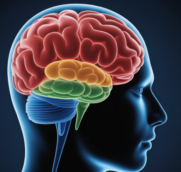

Brain DNA: Genomics-First Cognitive Wellness is the framework we use at Neuroplasticity Solutions to replace guesswork with biology. A 2025 University of Cambridge study identified four specific ages, 9, 32, 66, and 83, as the structural turning points where the human brain undergoes measurable rewiring, and that single finding is exactly why we refuse to treat every brain the same way.
This guide breaks down who each genomics-first tool and protocol is actually best for, so you can stop guessing and start matching the right intervention to your specific brain, at your specific age, with your specific risk profile.
| Question | Short Answer |
|---|---|
| What does “genomics-first” mean in brain wellness? | It means starting with measurable biological signals (epigenetic clocks, biomarkers, BDNF levels) before recommending any protocol, rather than starting with a generic app. |
| Who is Brain DNA: Genomics-First Cognitive Wellness best for? | High-performing professionals, seniors protecting memory, and stroke survivors who need personalized cognitive longevity protocols instead of one-size-fits-all advice. |
| What is an epigenetic brain clock? | A methylation-based test that estimates your brain’s biological age against your birth age. See our epigenetic brain clocks guide. |
| Does BDNF actually matter? | Yes. We treat Brain-Derived Neurotrophic Factor as your brain’s “repair protein,” and it is the biological target behind most of our protocols. |
| Is this different from brain-training apps? | Completely. Static difficulty, predictable puzzles, and passive scrolling through trivia don’t meet the evidence threshold we require. |
| Can genomics-first wellness help after a stroke? | Yes, when paired with structured post-stroke cognitive longevity strategies. |
| Is it worth the cost in 2026? | For anyone who wants measurable progress instead of vibes, yes. The alternative, unmonitored decline, is far more expensive. |
Brain DNA: Genomics-First Cognitive Wellness is not a supplement stack and not a subscription app. It is a clinical philosophy: measure the biology first, then intervene.
Most of what gets marketed under “cognitive longevity” has nothing to do with biology at all. Evidence over enthusiasm, every time. That is the frustration Neuroplasticity Solutions grew out of, a gap between what published research shows and what the unregulated consumer market sells.
A genomics-first approach starts with a measurable signal, whether that is a protein level, an epigenetic methylation pattern, or a validated cognitive test score. Only after we have that data do we build a protocol.

Genomics-first brain health is growing faster than nearly any wellness sector.
By 2050, the global population aged 65 and older will reach 1.6 billion people, and every one of them will carry a brain that either has real biological markers guiding its care, or doesn’t.
Epigenetic brain clocks estimate biological aging using methylation patterns, giving you a brain age separate from your birth age. This is best for anyone who suspects their cognitive risk doesn’t match their calendar age, whether that gap runs younger or older.
Clocks can help identify risk, but they must be paired with structured, evidence-based cognitive longevity protocols. A number on its own is not a plan.

A biological marker is a measurable signal that tells you something specific about the state of your brain, whether that’s a protein level, a biomarker score, or a validated test score. We built our biological markers and cognitive longevity guide because most people have never seen their own data.
This approach is best for readers who want proof, not promises. MoCA and MMSE screening scores, combined with fluid biomarkers, give us a baseline we can actually retest against.
You can pair biomarker tracking with a brain volume and hippocampal atrophy reference chart to see structural change alongside protein-level change. Two data streams, one clearer picture.
Personalized cognitive longevity protocols blend neuroplasticity science with precision diagnostics to optimize brain health across the lifespan. This is not a generic profile, not a marketing persona, but a specific plan built around a specific person with a specific brain age gap.
The four pillars we build every protocol around are adaptive cognitive training, sleep optimization, nutrition, and movement, all sequenced according to what your biomarkers actually say. If you have never had your brain age measured, this is best for you before you spend money on anything else.

BDNF is a protein that acts like fertilizer for your neurons, driving neurogenesis, synaptic plasticity, and neuroprotection. We treat it as your brain’s “repair protein,” and it sits at the center of nearly every genomics-first cognitive wellness protocol we design.
Genius Switch uses precision 40Hz gamma audio stimulation to trigger your brain’s natural BDNF production, no pills, no prescriptions, just sound. It is best for people who want a non-invasive entry point into brainwave entrainment before committing to a more intensive protocol.
| Product | Mechanism | Price |
|---|---|---|
| Genius Switch Audio Series | 40Hz gamma brainwave entrainment for BDNF activation | $39 |
Cognitive thinning reflects structural brain changes that can precede noticeable memory loss, sometimes by years. This is best for readers who feel “a little off” but haven’t been given a reason to worry, and haven’t been given a reason not to, either.
Our early cognitive thinning guide uses MoCA and MMSE screening alongside biomarker tracking to flag risk before it becomes a diagnosis. Early detection supports proactive, measurable interventions, not reactive ones.
Preventative longevity for brain health is a proactive clinical strategy to delay or reduce risk factors for cognitive decline, and BDNF is the central biological target inside it. Our preventative longevity guide for 2026 is built around five pillars: nutrition, sleep, exercise, stress management, and dosed cognitive training.
Cognitive training should be adaptive and dosed at the edge of current ability for meaningful change to occur. This is best for anyone still years away from a diagnosis but unwilling to wait for one before acting, and it pairs naturally with our environmental longevity and preventive lifestyle design work.
Post-stroke longevity hinges on multi-modal strategies: exercise, a MIND-style diet, cognitive training, BDNF stimulation, and sleep, all working together rather than in isolation. Modern neuro-rehabilitation is no longer guesswork; it is a measurable process built on rigorous evidence, clear dosing principles, and real follow-through.
Our post-stroke cognitive longevity strategies guide is best for stroke survivors and their families who were sent home with a folder of generic exercises and nothing that resembles a clinical protocol. A blended approach of physical and cognitive training yields the strongest improvements after stroke, and BDNF stimulation is what ties the two together.
Neuro-coaching for leaders targets the brain structures underlying behavior and performance, not just strategies scribbled on a whiteboard. Credible programs require neuroscience credentials and a baseline cognitive assessment, not a generic coaching certificate.
This is best for high-performing professionals who want their edge quantified, not affirmed. Our 2026 guide to choosing a neuro-coaching service walks through exactly what a data-driven, outcomes-focused program should include.

Transcranial direct current stimulation uses a low current to modulate cortical excitability, and safer protocols emphasize 1 mA intensity with proper electrode spacing to minimize skin reactions. Our tDCS safety guide for 2026 is best for readers who want focus support but refuse to buy an unregulated device off a marketplace listing.
Vagus nerve stimulation splits into two very different categories: clinical devices that are implanted or medically prescribed, and consumer wearables that are non-invasive wellness tools with far less validation behind them. Our clinical VNS versus consumer wearables comparison exists specifically so you know which category you are actually buying into.

Daily habits aligned with neuroplasticity principles support long-term cognitive health, but only when they’re consistent enough to track against a biomarker baseline. Our brain health longevity habits guide covers sleep, nutrition, movement, and mental challenge, the four levers most people already know about but rarely measure.
Pair daily habits with our memory retention habits resource if recall, not just general brain health, is your primary concern. This is best for anyone who wants a genomics-first foundation without a clinical intervention just yet.
Brain DNA: Genomics-First Cognitive Wellness is not one product. It is a decision tree: measure your epigenetic brain age, track your biomarkers, dose your BDNF, and only then choose the tools, whether that’s Genius Switch, a personalized protocol, or clinician-guided tDCS.
You will never hear us promise to reverse ageing or unlock some hidden percentage of your brain. Those phrases belong in marketing copy, not in a clinical setting, and this guide was built to give you something better: a specific starting point for your specific brain.
It means using measurable biological data, like epigenetic brain clocks and biomarkers, to decide on a cognitive wellness protocol before recommending any tool or exercise. It is the opposite of a generic brain-training app.
For anyone who wants measurable progress rather than vague reassurance, yes. The alternative is spending years on unvalidated tools while your actual brain age gap goes untracked.
Static difficulty, predictable puzzles, and passive scrolling through trivia don’t meet the evidence threshold that genomics-first protocols require. We build around published research adapted to a specific person, not a generic profile.
Epigenetic brain clocks estimate biological aging and flag risk, but they do not replace diagnosis or clinical evaluation. They are one data point among several used in a full cognitive longevity protocol.
BDNF is a protein that supports neurogenesis, synaptic plasticity, and neuroprotection, and it is the biological target behind most evidence-based cognitive protocols, including 40Hz gamma entrainment tools like Genius Switch. Results depend on consistent, dosed use rather than occasional sessions.
Yes, when the approach combines exercise, diet, BDNF stimulation, and cognitive training under a structured post-stroke protocol. It should always be guided by a clinician familiar with your specific recovery stage.
Start with a biomarker or epigenetic brain age assessment before buying any device or supplement. That single data point tells you which protocol, whether preventative, post-stroke, or performance-focused, actually fits your brain.