
If you are searching for post-stroke cognitive longevity strategies, here is a number worth sitting with: high adherence to the MIND diet can make a stroke survivor’s brain function equivalent to being 7.5 years younger. That single finding shows just how much daily choices matter after a stroke.
We put this guide together to help survivors and caregivers figure out what actually moves the needle. Below, we break down the strategies that work, the tools we recommend, and how to build a routine you can stick with.
| Question | Quick Answer |
|---|---|
| What are the best post-stroke cognitive longevity strategies? | Multi-modal exercise, the MIND diet, computerized cognitive training, BDNF stimulation, and quality sleep, all tracked over time. |
| Does diet really affect recovery? | Yes. The MIND diet is linked to a brain age benefit of roughly 7.5 years. |
| What is BDNF and why does it matter? | BDNF is a protein that primes the brain for new connections. Our Genius Switch 40Hz gamma audio is built to support it. |
| Can I do this at home? | Yes, with structure. See our home-based neuroplasticity tools for stroke survivors. |
| What about formal rehab? | Clinic work still matters. Explore evidence-based neuro rehabilitation approaches. |
A stroke does not end the story of your brain. The brain you have today is not the brain you are stuck with, and that is the whole premise behind cognitive longevity.
Recovery is not just about regaining motor skills. It is about protecting memory, focus, and executive function for years and decades to come.
That long-term view is what separates basic rehab from real post-stroke cognitive longevity strategies. We are not just trying to bounce back, we are trying to build a brain that ages well.


Movement is one of the most reliable post-stroke cognitive longevity strategies we know of. It does not just rebuild muscle, it feeds the brain.
Here is the catch though: not all exercise is equal. A varied mix beats a single routine every time.
So instead of just walking, mix in some strength work and balance drills. That “cocktail” approach is statistically superior to any single-modality routine.
A small daily target helps too. Adding just 30 minutes of progressive walking to standard physical therapy has been shown to improve quality of life and mobility benchmarks after hospitalization.
For specific routines, our guide to the best neuroplasticity exercises for rapid post-stroke motor recovery walks through the high-repetition, task-specific training that the evidence supports.
Food is one of the most underrated post-stroke cognitive longevity strategies out there. What you put on your plate directly shapes how your brain ages.
The MIND diet, which blends Mediterranean and DASH eating patterns, is the standout here. As we mentioned up top, high adherence is linked to brain function that behaves like it is 7.5 years younger.
You do not have to overhaul everything overnight. Leafy greens, berries, nuts, olive oil, and fish are the easy wins to start with.
We treat nutrition as a cornerstone, not an afterthought. It pairs perfectly with the broader preventive longevity strategies we recommend for protecting healthspan.
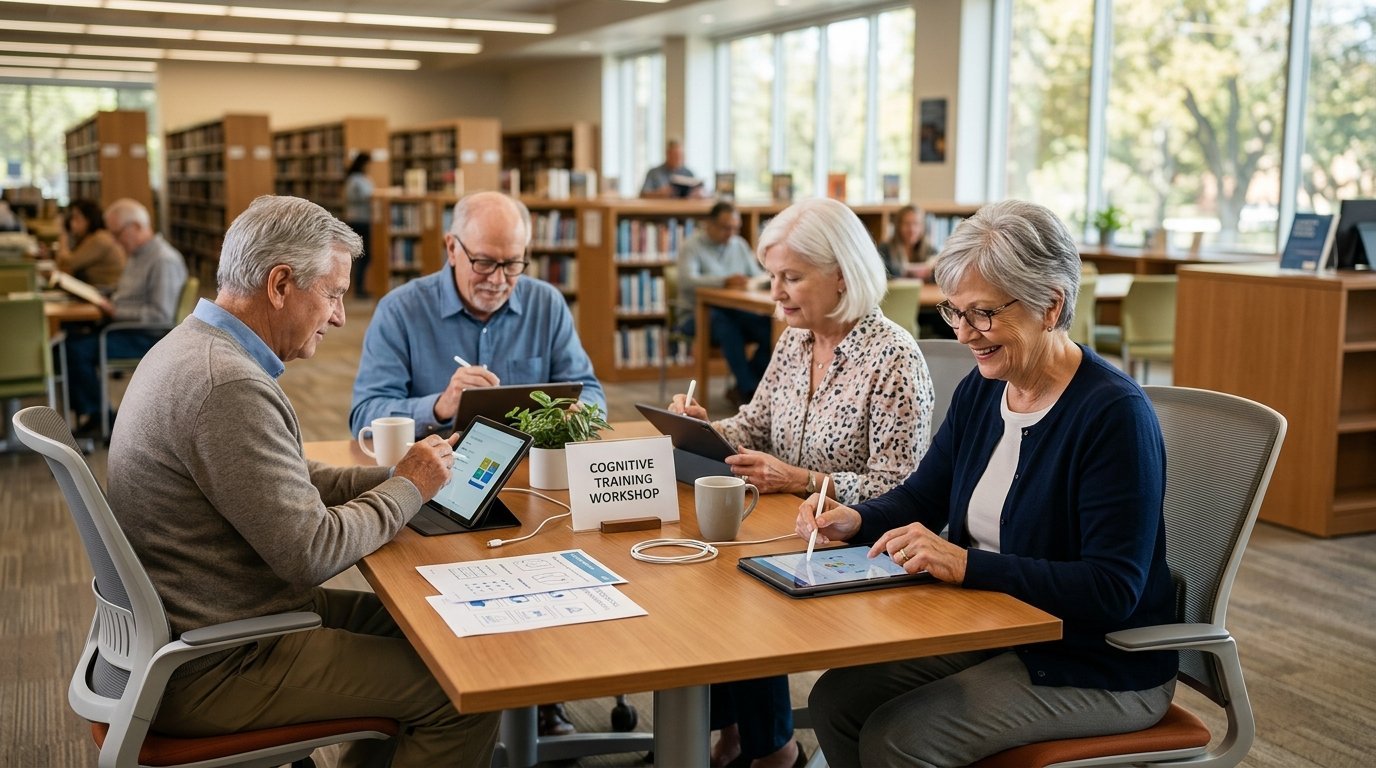
Physical movement is half the equation. The other half is challenging your mind directly.
Computerized Cognitive Training (CCT) has solid backing in 2026. A meta-analysis found it yields a significant effect size (SMD 0.46) for enhancing general cognitive function compared to routine care alone.
That means brain-training apps and digital tools are not just gimmicks. When used consistently, they earn their place in a personalized longevity protocol.
We dig deeper into focus, memory, and executive function in our cognitive performance resources, which cover neuroscience-backed approaches you can apply at home.

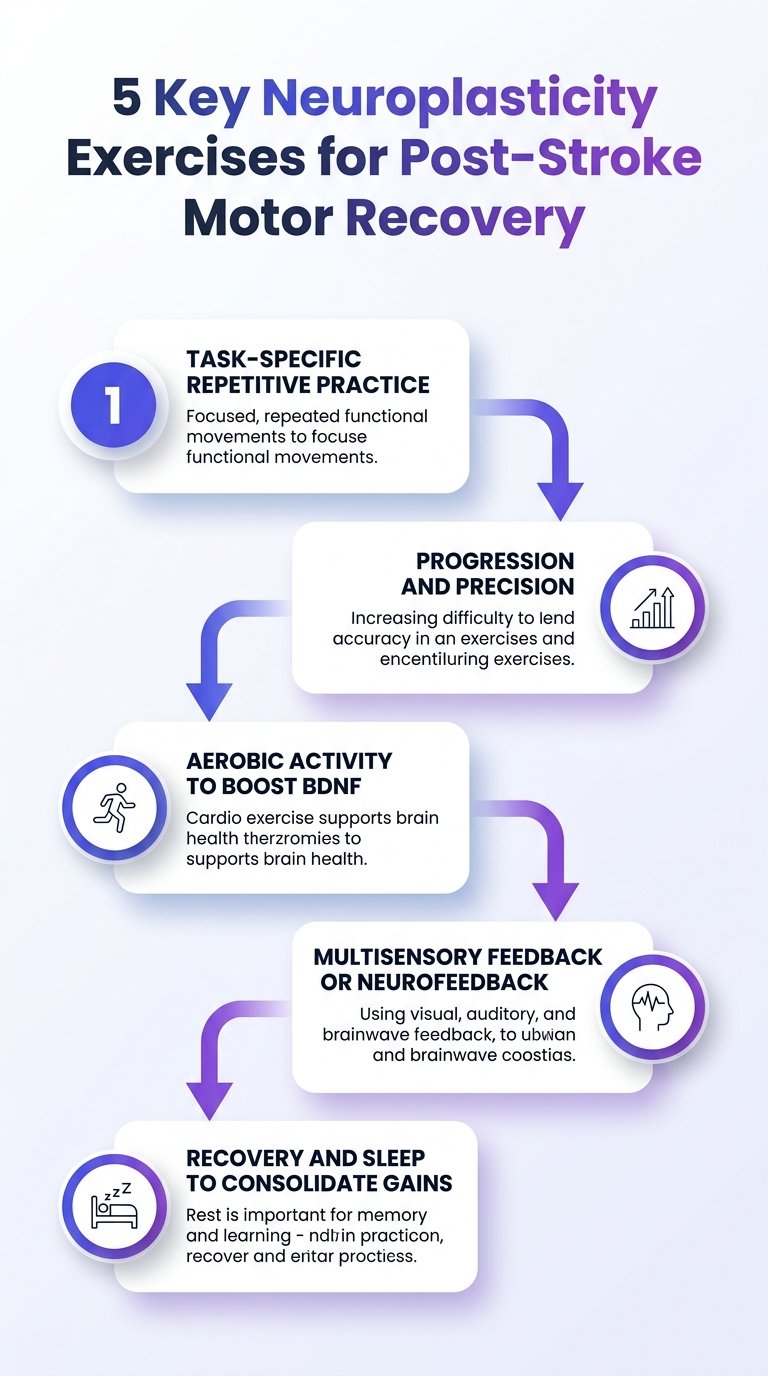
A concise visual guide detailing five strategies to support long-term cognitive health after a stroke. These practical steps can be incorporated into daily routines.
Here is where post-stroke cognitive longevity strategies get really interesting. Stacking movement and mental training produces results neither one delivers solo.
This “body plus brain” approach is a cornerstone of high-performance longevity protocols. The two reinforce each other instead of competing for your time.
A practical version looks like a brisk walk followed by a focused cognitive session. You are priming the brain with movement, then putting that primed state to work.
BDNF (brain-derived neurotrophic factor) is the chemistry behind learning and recovery. It is one of the most important levers in any set of post-stroke cognitive longevity strategies.
The science is central to good rehab: priming neural growth before intensive training makes the training stick better. Aerobic exercise raises BDNF naturally, and brainwave entrainment can support it too.
Our Genius Switch Audio Series uses 40Hz gamma audio to help stimulate BDNF production. It is designed to be used between therapy sessions to keep the brain primed for motor learning and cognitive tasks.
It is a one-time purchase at $39, with an immediate download and no ongoing subscription. You also get a PDF implementation guide with practical steps for fitting it into a daily routine.
Consistency is where post-stroke cognitive longevity strategies either succeed or fall apart. Home-based protocols work well, but only when they are rigorously structured and monitored.
That means setting clear doses, progressing gradually, and writing down what you do. A measurable workflow keeps you honest and shows whether something is actually helping.
Our roundup of home-based neuroplasticity tools for 2026 lays out a dose-focused workflow you can copy.
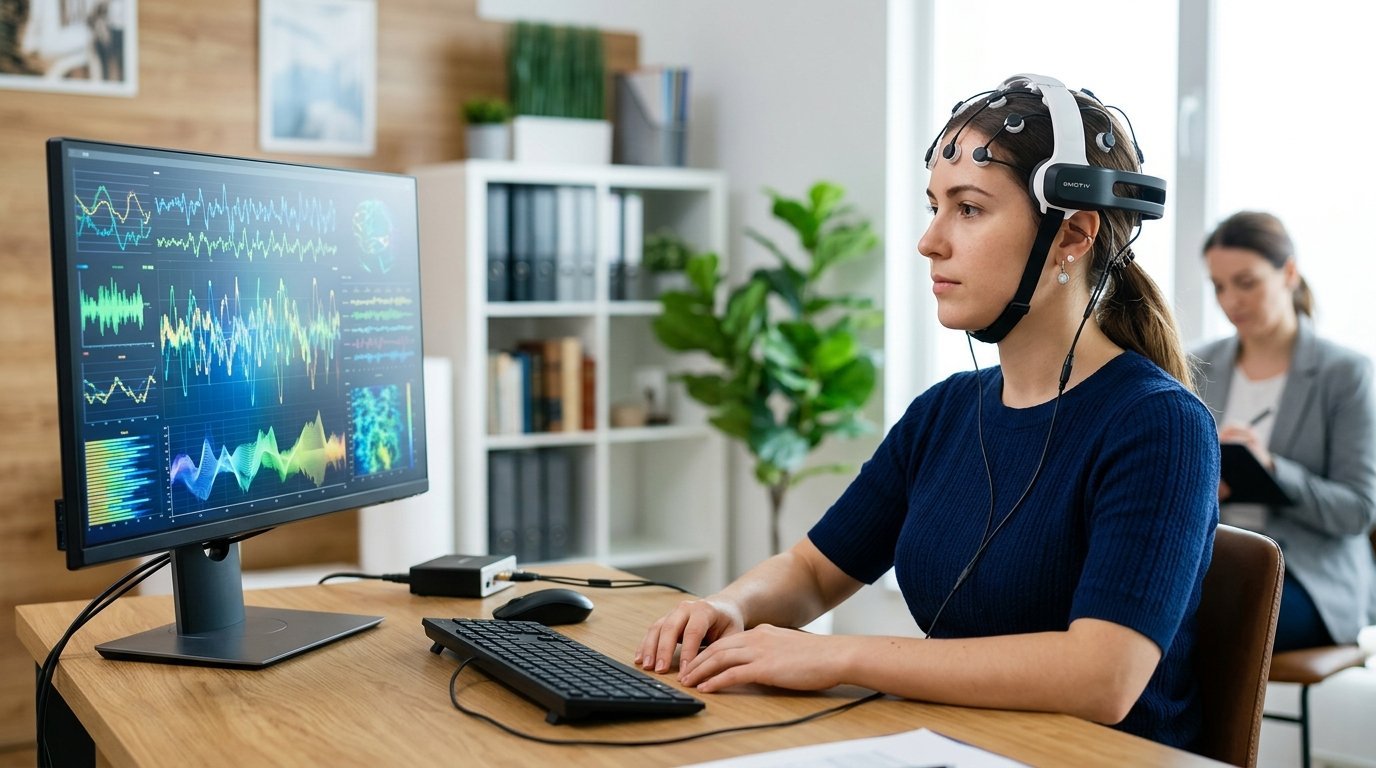
Home routines are powerful, but they work best alongside professional care. Clinic-based programs combine conventional therapy with neurostimulation to maximise recovery.
A good program starts with a formal baseline assessment covering motor range, cognitive benchmarking, and neurological mapping. From there, BDNF-targeted interventions and task-specific motor training do the heavy lifting.
If you are weighing options locally, our guide to the best stroke rehabilitation services for restoring motor skills breaks down eligibility, intensity, and what to look for in 2026.
The most effective post-stroke cognitive longevity strategies are not about one magic fix. They are about layering movement, the MIND diet, cognitive training, BDNF priming, and good sleep into a routine you actually follow.
Start small, track your progress, and lean on both home tools and professional rehab. Your brain stays adaptable far longer than most people assume, and these strategies are how you make the most of that.
The strongest post-stroke cognitive longevity strategies combine multi-modal exercise, the MIND diet, computerized cognitive training, and BDNF stimulation. Multi-modal exercise alone has a 96.7% probability of being the most effective physical intervention for cognitive recovery.
Yes. High adherence to the MIND diet is associated with brain function equivalent to being 7.5 years younger, which makes nutrition one of the most tangible post-stroke cognitive longevity strategies you can adopt.
For $39 as a one-time purchase, the Genius Switch is an affordable way to support BDNF between therapy sessions. It is designed to keep the brain primed for motor learning and cognitive tasks, which fits neatly into a broader longevity protocol.
Adding just 30 minutes of progressive walking to standard physical therapy significantly improves quality of life and mobility. Combining that aerobic work with strength and balance training gives you the multi-modal “cocktail” the research favors.
They can. Computerized Cognitive Training shows a significant effect size (SMD 0.46) for improving general cognitive function compared to routine care alone, so digital tools have a real place in post-stroke cognitive longevity strategies.
Combine them. Pairing aerobic exercise with cognitive training is statistically more effective at improving frontal brain function than cognitive training alone, making the “body plus brain” approach a smart cornerstone of any protocol.
You can do a lot at home as long as your routine is structured, dosed, and tracked. That said, formal rehabilitation adds neurostimulation and professional assessment, so the best results usually come from blending home tools with clinic-based care.