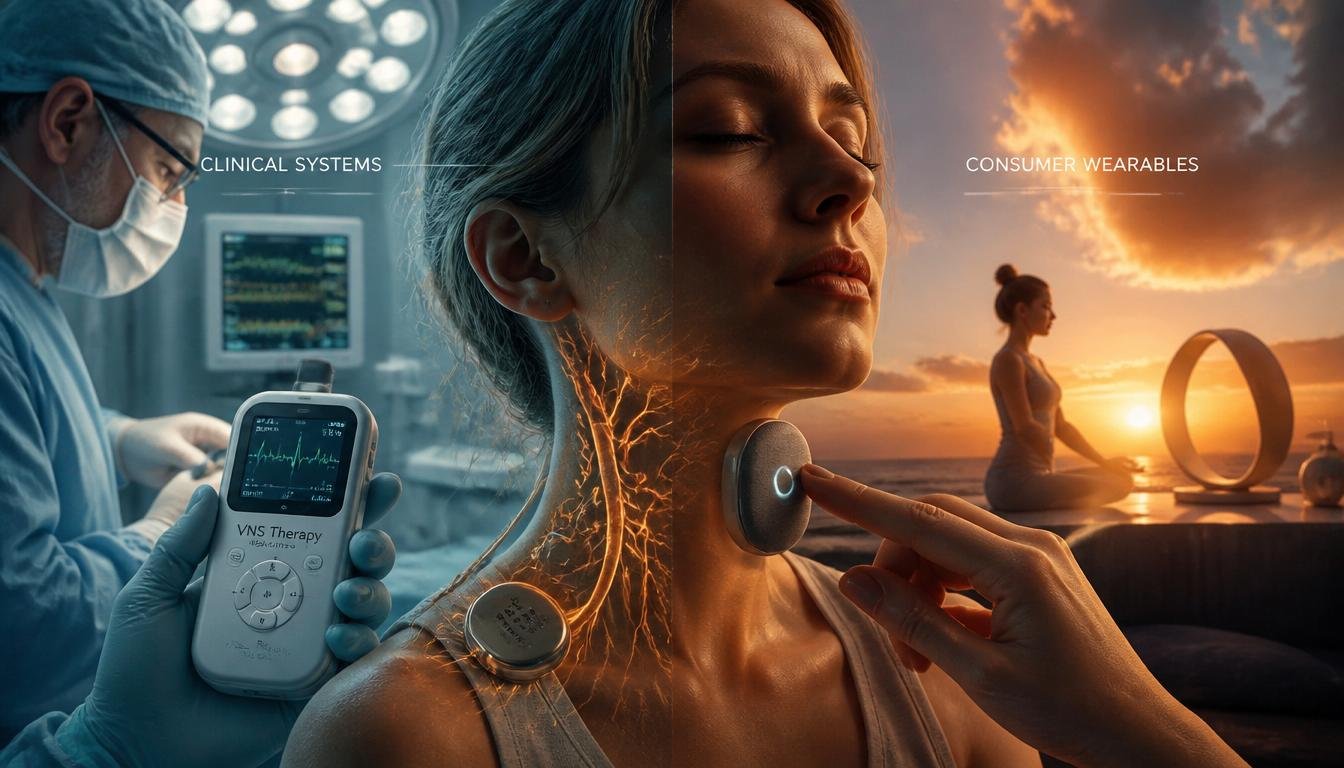
If you’ve been researching Vagus Nerve Stimulation (VNS) devices: clinical systems vs consumer wearables, you’re not alone, and the numbers back that up. Analysts at Straits Research peg the growth rate for external, non-invasive VNS devices at 9.05% annually, a pace that’s actually outrunning the overall VNS market itself.
That gap between clinical-grade implants and the wave of consumer wearables hitting the market is exactly what we want to unpack here. We’ll walk through how each category works, who they’re actually built for, and where the real evidence stands in 2026.
Along the way, we’ll also touch on how people pair manifestation techniques with BDNF-boosting habits and BrainWave-style audio tools to boost brain power naturally, stacking mindset practices on top of physical neuromodulation like VNS.
| Question | Quick Answer |
|---|---|
| What’s the main difference? | Clinical VNS systems are surgically implanted or medically prescribed devices cleared for conditions like epilepsy and stroke rehab. Consumer wearables are non-invasive, ear-clip or handheld gadgets sold directly to the public without the same regulatory oversight. |
| Which one is FDA-cleared for stroke recovery? | The Vivistim Paired VNS System is the clinical device cleared to pair vagus nerve stimulation with rehab exercises after stroke, a topic we cover in our neuro-rehabilitation programs overview. |
| Do wearables actually work? | Some show promising signals for stress and focus, but very few have the clinical trial depth that hospital-grade systems carry. |
| Where is most VNS therapy delivered today? | Hospitals still dominate delivery, though home and outpatient use is climbing fast as wearables enter the picture. |
| Is a consumer wearable a substitute for a clinical device? | No. Wearables are wellness tools, not medical treatments, and shouldn’t replace a prescribed VNS protocol. |
| Can VNS help boost BDNF and cognitive performance? | Yes, both clinical VNS and some non-invasive protocols are studied for their link to BDNF and neuroplasticity, a theme we explore in our cognitive performance resources. |
| Is the market growing in 2026? | Yes, the global VNS market is forecast to grow at a 6.06% CAGR between 2026 and 2034, with wearables growing even faster. |
Vagus nerve stimulation works by sending mild electrical pulses to the vagus nerve, the long nerve that runs from your brainstem down through your neck and chest.
Stimulating it can influence heart rate, inflammation, mood, and even how the brain rewires itself after injury.
That last part is why VNS shows up so often in neurorehabilitation conversations. It’s one of the few neuromodulation approaches with real clinical backing for helping people regain motor function after a stroke.
The global vagus nerve stimulation market was valued at USD 575.81 million in 2025, and that figure includes everything from implanted epilepsy devices to the growing shelf of wearable gadgets. Understanding Vagus Nerve Stimulation (VNS) devices: clinical systems vs consumer wearables starts with recognizing these are two very different product categories wearing a similar label.
Clinical VNS systems are implantable or invasively-connected devices, typically placed by a surgeon and programmed by a neurologist.
They’re prescribed for specific, diagnosed conditions, most commonly drug-resistant epilepsy, treatment-resistant depression, and increasingly, post-stroke rehabilitation.
The Vivistim Paired VNS System is probably the best-known example in the rehab space. It pairs a brief vagus nerve pulse with a specific rehab movement, and the timing is meant to strengthen the neural pathways involved in that movement.

These clinical systems go through years of trials, FDA review, and ongoing monitoring. That’s expensive and slow, but it also means the outcomes reported are usually well-documented and reproducible.
We cover a broader range of clinical and adjunct rehab tools, including non-invasive stimulation options, in our guide to tools and strategies for neuroplasticity after stroke.
Consumer wearables take a very different approach. Most clip onto the ear, sit against the neck, or attach to the wrist, and they’re sold directly to consumers without a prescription.
They typically use transcutaneous stimulation, meaning the pulse passes through the skin rather than being delivered by an implanted lead.
The appeal is obvious: no surgery, no waiting room, and a much lower price point than a clinical device. The tradeoff is that the evidence base is thinner, and quality varies a lot between brands.

Some wearables are marketed alongside gamma audio protocols and other neuroplasticity-adjacent tools, aiming to support focus, stress reduction, and even BDNF activity through indirect pathways.
These are worth exploring as wellness add-ons, but they aren’t a replacement for a prescribed device if you’re dealing with a diagnosed neurological condition.
Here’s how the two categories stack up side by side, based on how they’re built, regulated, and used in practice.
| Feature | Clinical VNS Systems | Consumer Wearables |
|---|---|---|
| Delivery method | Implanted or medically supervised | Transcutaneous, ear or neck-worn |
| Regulatory clearance | FDA-cleared for specific conditions | Often wellness-category, lighter oversight |
| Typical use case | Epilepsy, depression, stroke rehab | Stress, sleep, focus, general wellness |
| Access | Prescription and surgical placement | Direct purchase, no prescription |
| Evidence base | Multi-year clinical trials | Smaller studies, variable quality |
Did You Know?
Epilepsy applications accounted for 58.89% of total VNS revenue in 2025, showing just how much of this market still leans on disease-specific clinical systems.
Brain-Derived Neurotrophic Factor, or BDNF, is the protein that helps your brain form new connections and repair damaged ones.
Both clinical VNS and some non-invasive stimulation approaches are studied for their potential to raise BDNF levels, which is part of why VNS gets so much attention in rehab circles.
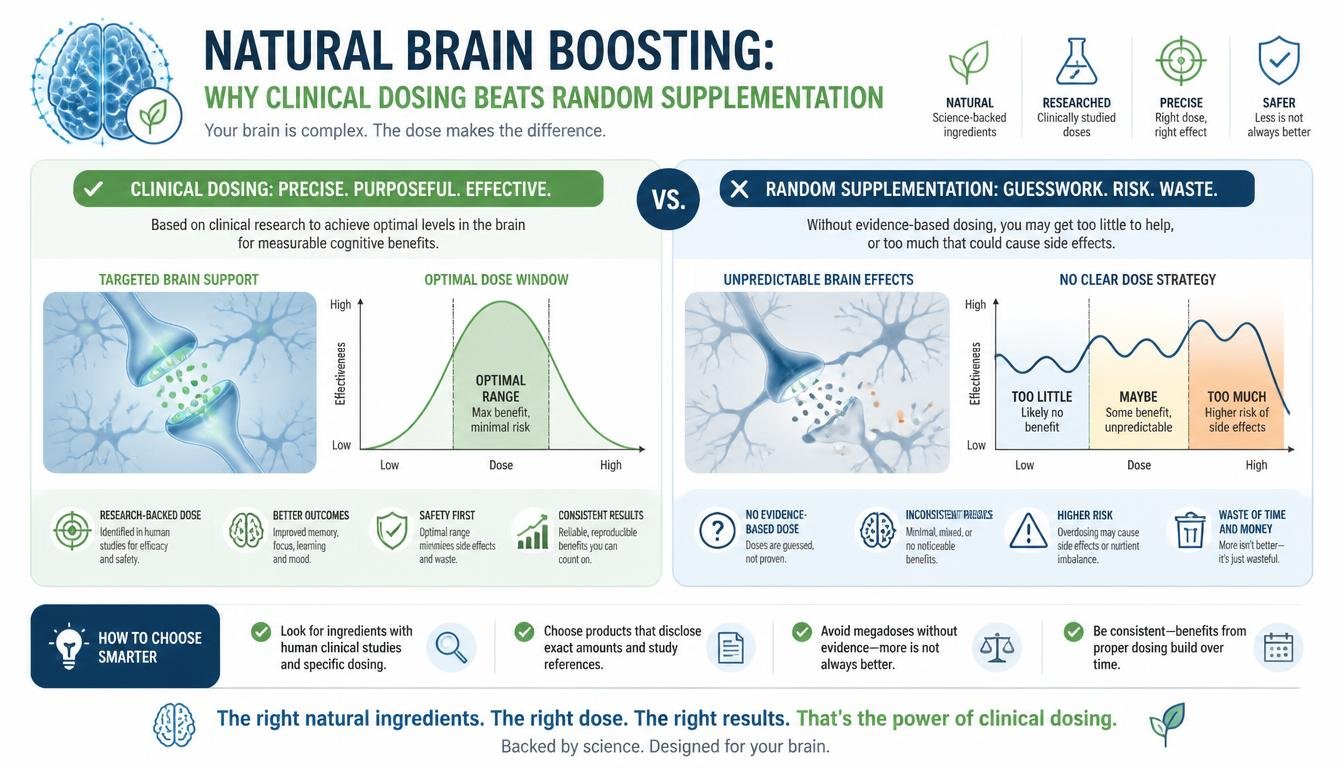
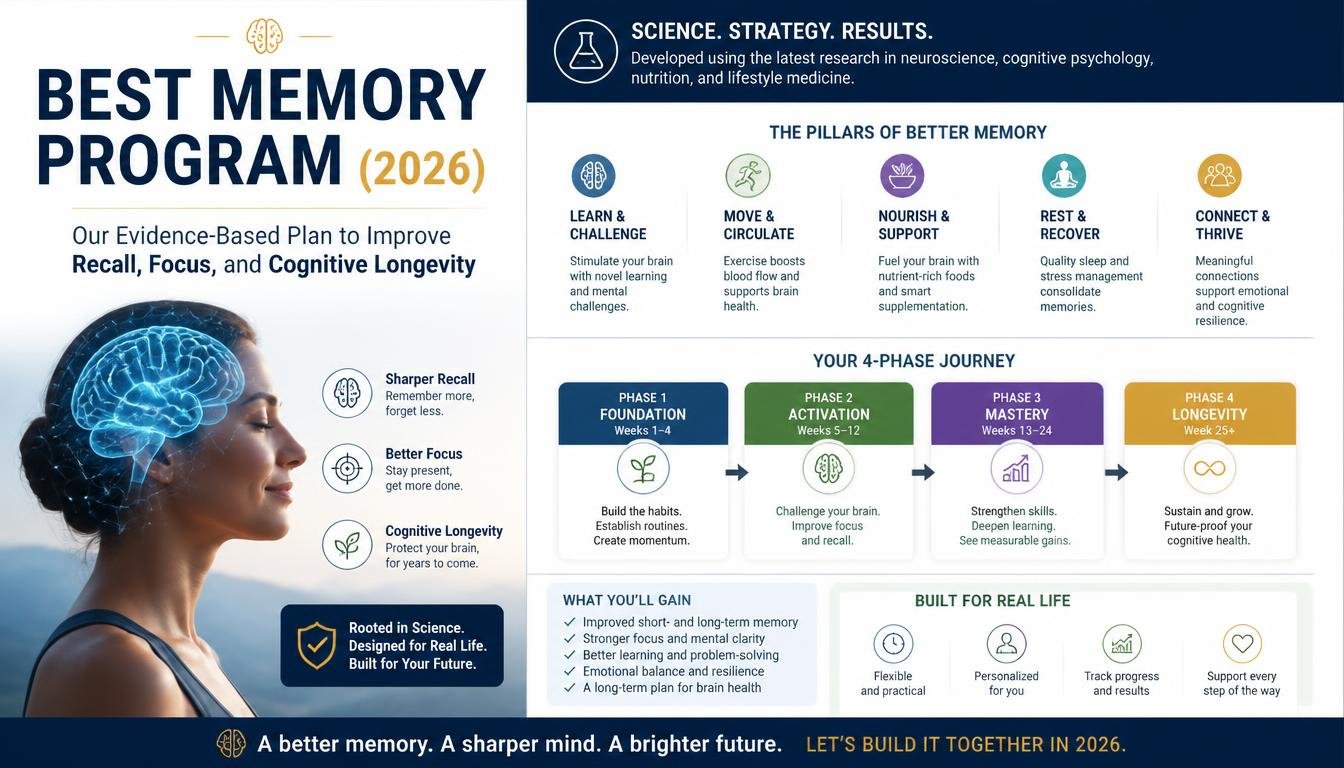
Outside of devices entirely, plenty of people combine manifestation techniques, visualization work, and BDNF-supporting habits like aerobic exercise, quality sleep, and BrainWave audio sessions to boost brain power naturally.
None of that replaces medical treatment, but it’s a reasonable complement to whichever VNS approach you’re using, whether that’s a clinical system prescribed by a neurologist or a consumer wearable you picked up on your own.
We go deeper on BDNF-targeted exercise programs in our piece on neuroplasticity exercises for stroke recovery.
Stroke recovery is probably the clearest example of where clinical VNS systems currently outperform consumer wearables.
The Vivistim system’s paired-stimulation approach has clinical trial data showing improved arm and hand function when combined with intensive rehab therapy.
Consumer wearables haven’t shown that same level of rigorous rehab-specific evidence yet, though research is ongoing.
If you’re looking for local support pairing rehab exercises with any kind of neuromodulation, our roundup of stroke rehabilitation services for restoring motor skills is a good starting point. For a broader list of exercises that pair well with these tools, check our guide on brain exercises for stroke recovery in 2026.
Safety is where the gap between these two categories gets the most obvious.
Clinical VNS systems come with surgical risk, but also with a medical team monitoring dosage, side effects, and outcomes over time.
Consumer wearables carry much lower physical risk since there’s no implant involved, but you’re largely on your own for figuring out settings, frequency, and whether it’s actually doing anything.
Cost is another major divide. A clinical implant plus programming and follow-up visits can run into the tens of thousands of dollars, often covered partially by insurance for approved conditions.
Wearables, by contrast, usually sit in the range of consumer electronics pricing, which is part of why they’ve become so popular as a lower-commitment entry point into neuromodulation.
Did You Know?
Hospitals still account for 39.74% of the VNS market in 2025, a reminder that most vagus nerve stimulation therapy is still delivered in traditional clinical settings, not through home wearables.
North America currently holds 54.78% of the global VNS market, largely thanks to its concentration of hospitals and specialty neurology clinics.
But the fastest growth is happening elsewhere. Asia Pacific is projected to grow at a 21% CAGR, driven by expanding healthcare access and rising interest in non-invasive neuromodulation.
In the U.S. alone, the VNS market moved from roughly USD 280.58 million in 2024 to an estimated USD 296.38 million in 2025, a steady climb rather than a dramatic spike.
That steady growth pattern in clinical systems, paired with the faster-moving wearable segment, is exactly why comparing Vagus Nerve Stimulation (VNS) devices: clinical systems vs consumer wearables matters more in 2026 than it did even a couple of years ago. Adoption is broadening in both directions at once.

The split between clinical VNS systems and consumer wearables reveals a leading but contested market share.
If you have a diagnosed condition like epilepsy, depression, or you’re recovering from a stroke, start with a conversation with your neurologist rather than a wearable purchase.
Clinical systems exist because they’ve been tested against these specific outcomes, and self-directed wearable use isn’t a substitute for that kind of oversight.
If you’re generally healthy and curious about stress reduction, focus, or general wellness support, a consumer wearable is a lower-stakes way to experiment.
Just go in with realistic expectations. Managing digital habits also plays a role here, and we talk through that in the streaming brain and focus fragmentation in 2026.

Either way, pairing your device choice with proven lifestyle habits, exercise, sleep, and even light manifestation-style visualization work, tends to support whatever results you’re hoping to get.
The comparison between Vagus Nerve Stimulation (VNS) devices: clinical systems vs consumer wearables isn’t really about picking a winner. It’s about matching the tool to the problem.
Clinical systems remain the gold standard for diagnosed neurological conditions and stroke rehab, backed by years of trials and direct medical supervision.
Consumer wearables fill a different role, offering an accessible, lower-cost entry point for people curious about neuromodulation as part of a broader wellness routine.
With the overall VNS market forecast to grow at a 6.06% CAGR through 2034, and wearables expanding even faster, this is a space worth watching closely as we move through 2026.
Some have small clinical studies behind them, particularly around stress and heart rate variability, but the evidence is much thinner than what supports clinical VNS devices. When comparing Vagus Nerve Stimulation (VNS) devices: clinical systems vs consumer wearables, the clinical side still holds the stronger research base.
If you’re looking for a general wellness tool and don’t have a diagnosed condition, a wearable can be a reasonable low-risk experiment. It’s not a medical treatment, though, so it shouldn’t replace a prescribed clinical system if you actually need one.
The Vivistim Paired VNS System is surgically implanted and FDA-cleared specifically for stroke rehab, pairing precise nerve stimulation with rehab movements. Consumer wearables are non-invasive, worn externally, and marketed for general wellness rather than a specific medical outcome.
Research suggests VNS may influence BDNF activity, which plays a role in how the brain forms new connections. Many people also combine this with lifestyle habits like exercise, sleep, and manifestation techniques to boost brain power naturally alongside any device-based approach.
Clinical VNS systems involve surgery, programming, and follow-up care that can cost tens of thousands of dollars, though insurance may cover approved uses. Consumer wearables are priced more like typical electronics, making them far more accessible upfront.
Yes, the global VNS market was valued at over half a billion dollars in 2025 and continues to grow, with external and wearable devices expanding at a faster rate than the market overall. Asia Pacific in particular is seeing rapid growth in adoption.
If you have a diagnosed neurological or mental health condition, yes, always start with a medical professional before choosing between clinical systems and consumer wearables. For general wellness use, wearables carry lower risk, but it’s still smart to understand what the device is and isn’t designed to do.