
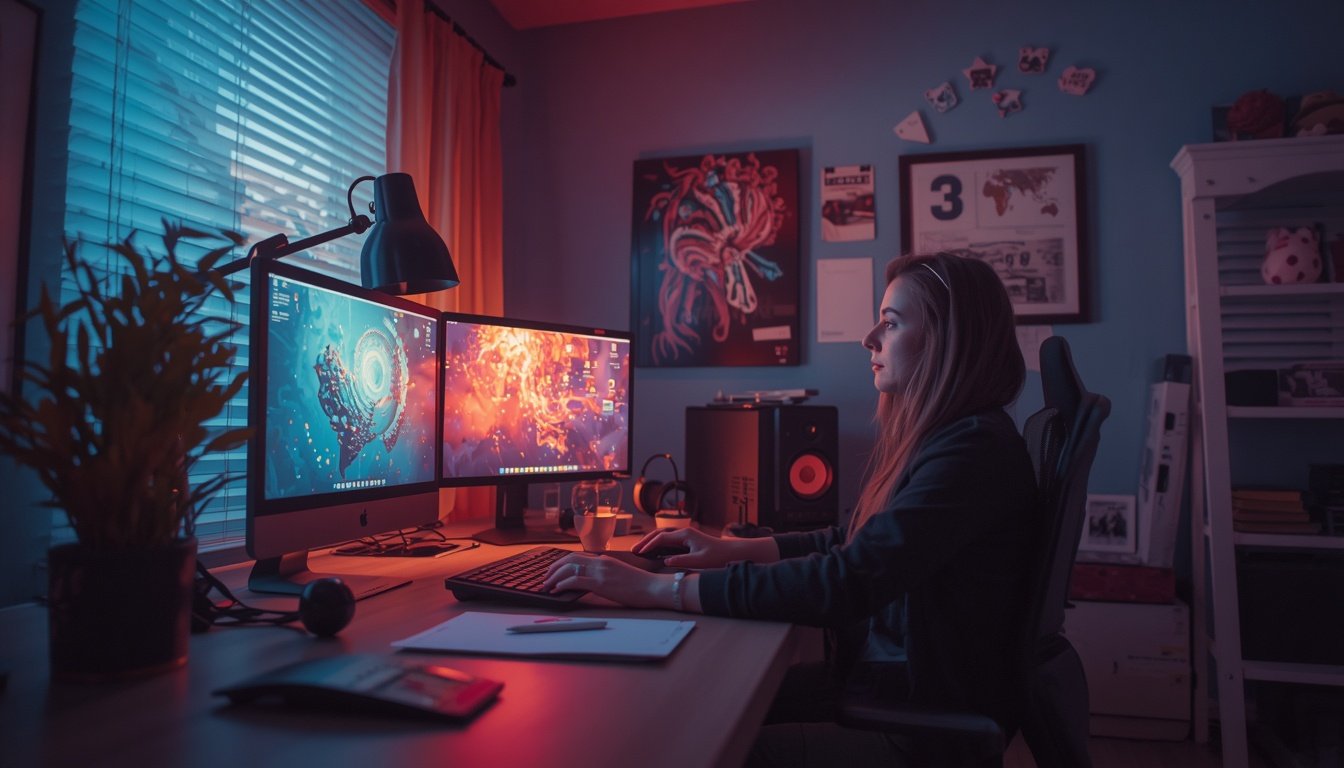
Burnout now costs Canadian companies an average of $28,500 per employee, per year, and a huge chunk of that bill traces back to poor workspace design. Building ergonomic home office setups designed to prevent 3:00 PM cognitive fatigue isn’t a luxury anymore. It’s become one of the most practical things you can do for your brain, your body, and your bottom line.
We’ve spent time digging into what actually causes that mid-afternoon brain fog, and the answer isn’t just “you need more coffee.” It’s your chair, your monitor, your lighting, and how often you move (or don’t) between 9 AM and 5 PM.
| Question | Quick Answer |
|---|---|
| What causes 3 PM cognitive fatigue? | Poor posture, screen glare, and a lack of movement combine to reduce blood flow and oxygen to the brain by mid-afternoon. |
| Does an ergonomic setup really help? | Yes. Better posture alone has been shown to boost cognitive function by up to 15%. |
| Is a sit-stand desk worth it? | Workers who switched to a sit-stand schedule reported a 42% drop in physical pain within three months, which reduces the discomfort that leads to zoning out. |
| Can brain training complement ergonomic changes? | Yes, pairing furniture upgrades with structured cognitive recovery routines compounds the benefit. |
| Does lighting matter for afternoon fatigue? | Visual fatigue from screen glow accounts for nearly 30% of reported energy crashes among remote workers. |
| Where can I check my long-term brain health strategy? | Explore preventative longevity resources for a bigger-picture approach. |
| Where do I get answers to common setup questions? | Check our frequently asked questions page for quick reference. |
The 3:00 PM crash isn’t just about your circadian rhythm. It’s often a physical problem disguised as a mental one.
When your body sits in a bad position for hours, blood flow drops, oxygen delivery to the brain slows, and your ability to focus tanks right around mid-afternoon. That’s exactly why ergonomic home office setups designed to prevent 3:00 PM cognitive fatigue focus so heavily on posture, not just comfort.

Poor ergonomic setup is a leading driver of mid-afternoon cognitive fatigue in home offices
Roughly a third of workers name back and neck pain as their biggest wellness roadblock. That low-grade physical discomfort creates a constant background stress that quietly drains cognitive resources all day long.
Your chair is doing more work than you think. A poorly adjusted seat forces you into slouched positions that restrict circulation, and restricted circulation means less oxygen reaching your brain.
Here’s what a solid ergonomic chair and desk combo needs:
Getting this right isn’t about spending a fortune. It’s about matching the furniture to your actual body, since even small posture corrections have been linked to a 15% improvement in cognitive function.
Did You Know?
Nearly a third of workers (31.93%) cite back and neck pain as their top wellness roadblock, and that ongoing discomfort is a hidden driver of afternoon cognitive fatigue.
Screen glare and bad lighting are silent energy thieves. Visual fatigue from constant screen glow and blue light exposure is now cited as a leading cause of afternoon energy crashes for remote workers.
To build ergonomic home office setups designed to prevent 3:00 PM cognitive fatigue, your monitor should sit at eye level, roughly an arm’s length away.
A few quick fixes go a long way:
These small habits reduce eye strain, which in turn reduces the mental exhaustion that shows up as brain fog later in the day.
Sitting all day is one of the fastest ways to trigger a 3 PM slump. Workers who switched to sit-stand desk schedules saw a 42% drop in physical pain within just three months, which directly reduces the discomfort-driven zoning out that kills afternoon productivity.
Movement also connects to something bigger than comfort. There’s growing evidence tying physical strength and mobility to executive function, and it’s worth understanding the science behind that link.

We’d suggest building a simple rhythm: 50 minutes seated, 10 minutes standing or walking. Set a timer if you have to, because your brain won’t remind you on its own.
This is where ergonomic design meets brain science. Alongside physical setup changes, many people are turning to manifestation techniques, BDNF, and BrainWave methods to boost brain power naturally, pairing mindset practices with biological brain-training approaches.
BDNF (brain-derived neurotrophic factor) plays a major role in neuroplasticity, and it’s directly influenced by things like movement, sleep, and structured mental training. Combining ergonomic changes with tools designed to activate BDNF is one of the more interesting angles we’ve seen for fighting afternoon fatigue.

If you’re curious about combining mindset-based work with a physical toolkit, there’s an audio approach worth checking out that pairs whole-brain activation with just a few minutes a day.
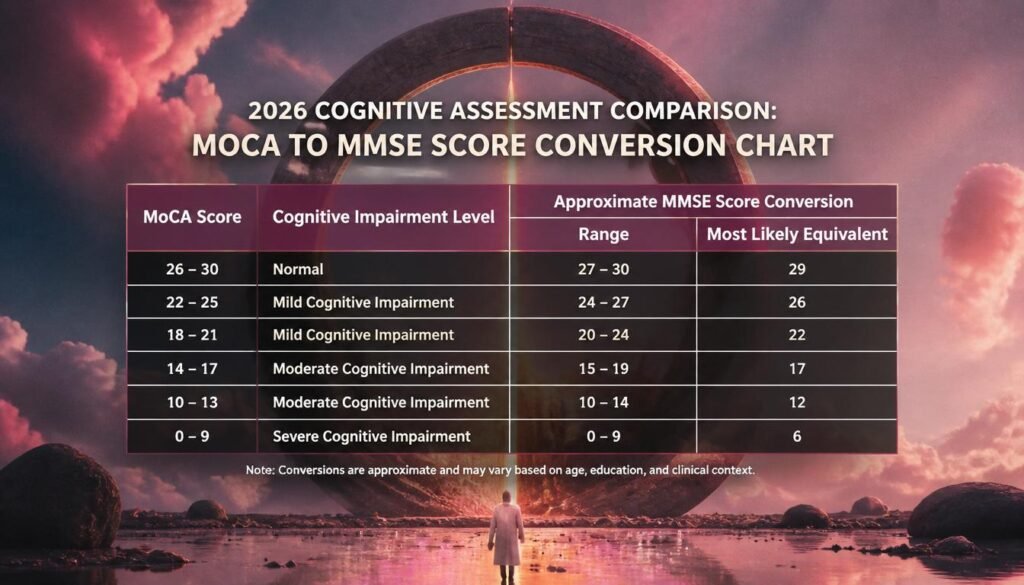
People exploring manifestation techniques, BDNF, and BrainWave strategies to boost brain power naturally often pair them with botanical nootropic support as well, treating the whole routine as one system rather than separate habits.
Notifications and digital clutter aren’t technically “ergonomic” in the furniture sense, but they belong in this conversation. Nearly a quarter of workers, 23.86%, cite digital overwhelm and constant notification fatigue as major wellness roadblocks that drain mental energy well before quitting time.
An ergonomic home office setup designed to prevent 3:00 PM cognitive fatigue needs a digital component too, not just a physical one.
“The dashboard dive from morning chaos into deep work is one of the top-cited causes of the afternoon productivity slump, named by roughly 30% of workers surveyed.”
Consider scheduling a mid-day digital reset. A short structured break from screens, even 15 minutes, can meaningfully reduce that end-of-day mental static, and it’s worth reading more about a full digital neuro-detox approach if notifications are your biggest drain.
Furniture and lighting solve the physical half of the equation. The other half is training your brain to sustain focus longer, which is where structured cognitive work comes in.

We’ve found that comparing structured cognitive training against basic memory apps is a useful place to start if you want to know what actually moves the needle for sustained attention.
Did You Know?
Visual fatigue from screen glow and blue light exposure drives 29.47% of the energy crashes reported by remote workers.
Leadership teams especially benefit from structured programs, since decision fatigue compounds with physical discomfort throughout the day. There’s a full guide on choosing the right neuro-coaching service for leaders that’s worth a read if you manage a team.
Before you overhaul your whole desk setup, it helps to know where your baseline sits. A cognitive reserve scorecard gives you a starting point to measure whether your changes are actually working.
We’d recommend running through the brain resilience audit and cognitive reserve scorecard before and after making ergonomic changes. It’s a simple way to track whether posture, lighting, and movement adjustments are translating into real focus gains.
Furniture alone won’t fix everything. The real win comes from stacking small habits on top of a solid physical setup.
Here’s a simple daily framework we’d suggest testing:
Batching high-intensity work earlier in the day and building in disconnect hours has been shown to lower stress levels by around 30%, which directly supports better focus later on. Add in some brain-friendly management habits if you’re leading a team through the same challenge, since brain-friendly management strategies tend to reduce collective afternoon fatigue across an entire office.
For a bigger picture on sustaining this over years, not just weeks, it’s worth reading up on preventative longevity strategies tied to brain health.
Ergonomic home office setups designed to prevent 3:00 PM cognitive fatigue aren’t a single product you buy once. They’re a combination of chair adjustments, monitor height, lighting choices, movement breaks, and a bit of brain training layered on top.
Start with the physical basics, add in manifestation techniques, BDNF, and BrainWave approaches to boost brain power naturally if that resonates with you, and track your progress with a proper resilience scorecard. Small changes compound, and by the time 3:00 PM rolls around, you’ll actually notice the difference.
Yes. With burnout costing companies thousands per employee annually and nearly a third of workers citing physical discomfort as their top wellness issue, ergonomic home office setups designed to prevent 3:00 PM cognitive fatigue offer a measurable return on a fairly small investment.
Fixing your posture and monitor height tends to deliver the fastest results, since better ergonomic alignment has been linked to a 15% boost in cognitive function. Pair that with regular movement breaks for the best results.
Indirectly, yes. Workers using sit-stand schedules reported a 42% drop in physical pain within three months, and less physical discomfort means fewer mental interruptions throughout the afternoon.
Screen glare and blue light exposure account for close to 30% of reported energy crashes among remote workers. Adjusting monitor brightness and using warmer lighting later in the day can meaningfully reduce that visual fatigue.
Yes, many people combine ergonomic furniture changes with manifestation techniques, BDNF, and BrainWave methods to boost brain power naturally. These approaches work on the biological and mindset side while your desk setup handles the physical side.
Batch your hardest tasks before 1 PM, take a screen break around 2:30 PM, and return to a properly adjusted workstation by 3:00 PM. This combination of scheduling and ergonomic setup addresses both the physical and mental sides of the crash.
Track your focus and energy levels using a structured tool like a cognitive reserve scorecard before and after making changes. If your afternoon fatigue decreases and your scorecard results improve, your ergonomic home office setup is doing its job.