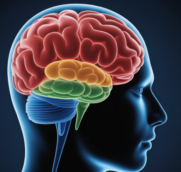

During heat waves, even small temperature shifts can impair thinking fast: a mere 4-degree increase in temperature can reduce performance on memory, reaction time, and judgment tests. With more frequent heat dome events in 2026, the heat-to-brain connection is no longer a “comfort issue,” it is a measurable threat to cognitive and neurological stability.
| What happens | Why it matters | What to do (practically) |
|---|---|---|
| Heat Domes and the Brain create persistent thermal stress | The brain cools less effectively over days, not hours | Treat heat like a dosing variable, plan cooling windows |
| Cognitive slowing and foggy focus | Performance drops in measurable cognitive tasks | Use shorter work blocks, hydration targets, and sleep protection |
| Higher neurological risk | Heat can worsen seizure risk, stroke vulnerability, and mental health symptoms | Prioritize medication timing, clinician check-ins, and early intervention |
| BDNF is a central target | Thermal stress can interfere with recovery signaling | Support BDNF with structured training and recovery, not “brain games” |
| Digital overload compounds heat stress | Attention gets less resilient under physiological strain | Use Digital Neuro-Detox 2026 style resets to protect cognitive clarity |
| Glymphatic and sleep matter | Sleep supports brain cleaning and recovery processes | Use glymphatic system and sleep hygiene steps, especially during hot nights in 2026 |
A heat dome is not just “a really hot week.” It is a persistent high-pressure system that traps warm air for days or weeks, and that matters because the brain is one of the first organs to feel the strain.
From a neuro-rehabilitation lens, heat dome exposure is a sustained physiological stressor. The brain relies on precise thermal regulation, and when temperatures stay high, the body spends more effort trying to cool down, leaving less margin for cognitive performance, repair signaling, and stable neurotransmission.
This is where people usually go wrong. They treat heat as an inconvenience, so they keep the same schedule, the same cognitive load, the same training volume, and then they act surprised when thinking gets slower and neurological symptoms flare.
Every protocol we deliver is grounded in published research and adapted to the individual in front of us, not a generic profile. In 2026, that includes treating environmental stress like a real variable that changes how your brain performs and how recovery unfolds.
Heat Domes and the Brain: Why Heat Waves Worsen Cognitive and Neurological Symptoms boils down to a simple point, the brain cannot “turn off” thermal sensitivity. When heat stays elevated, it can shift how the brain balances energy needs and signaling, and those shifts show up as cognition changes.
One useful way to think about it is energy vulnerability. The brain uses a large share of the body’s total energy, so when thermal regulation demands rise, cognitive systems can become less efficient.
And efficiency is not an abstract concept. It shows up as measurable changes in memory and reaction time, plus more “behavioral noise” like impulsivity when people are forced to make decisions under thermal strain.
That is why we do not rely on “mindset” alone. Evidence-based brain resilience requires dosing principles and recovery. If the environment keeps pushing the temperature boundary, you need countermeasures that protect the nervous system.
Clinical framing (not vibes): Heat dome exposure changes brain state, not just comfort.
Heat dome conditions often create cognitive symptoms that look like “brain fog,” but in practice they behave like performance throttling. You will notice slower thinking, trouble with sustained focus, and more errors in judgment, especially during physically demanding tasks or long screen-based work sessions.
In 2026, we see more people trying to push through these symptoms using caffeine or generic “productivity tricks.” But if your nervous system is already thermally stressed, those fixes rarely address the underlying mechanism.
For people trying to maintain Cognitive Longevity during heat domes, the measurable goal is not maximum output. The goal is stable throughput, fewer cognitive lapses, and a recovery plan that does not get skipped.
That is the real warning signal. Heat domes and the brain do not only affect “performance,” they can increase risk for emotional dysregulation and mental health symptom escalation. If you already have a vulnerability, heat can pull it into the foreground.
Evidence over enthusiasm. Static difficulty, predictable puzzles, and passive scrolling through trivia do not meet that threshold. If you want cognitive resilience, you need targeted cognitive training plus environmental planning.
Heat Domes and the Brain: Why Heat Waves Worsen Cognitive and Neurological Symptoms matters most when the nervous system is already medically vulnerable. Heat can stress thermoregulation, which can worsen neurological conditions and increase the likelihood that symptoms escalate.
Some neurological patterns are especially sensitive to heat, including seizure susceptibility, and in other cases the risk comes from heat affecting circulation and recovery capacity after brain injury.
This is why we treat prevention as part of neuro-rehabilitation, not a separate topic. If the environment undermines recovery, your training load and sleep plan need adjustment.
If you are looking for a framework that connects brain training, recovery, and measurable progress, we build our work around the recovery pathway described in our neurological recovery 2026 guide approach and our traumatic brain injury services.
Heat can push some psychiatric symptoms into a more severe expression, partly because thermal stress changes sleep quality, energy balance, and stress physiology. In other words, the brain is not just “feeling hot,” it is operating under biological strain.
That shows up in emergency department patterns and caregiver reports. It also shows up in daily life, where people with anxiety, mood disorders, or trauma histories may experience worse symptoms during persistent high heat.
So the question becomes practical. What do you do differently during Heat Domes and the Brain? You reduce cognitive load, protect sleep, and use recovery-focused routines that support attention control.
And no, you do not solve this with random “brain hacks.” You need structured protocols that are evidence-based and individually dosed, especially for people already balancing neurological or psychiatric vulnerability.
Not everyone experiences the same symptom worsening during heat dome events. Risk increases when a person has reduced thermoregulation capacity, existing neurological conditions, or limited ability to access cooling.
In 2026, we also see an important secondary risk, digital overload. When heat makes you less resilient, heavy screen use can make attention instability worse, which increases the feeling of cognitive chaos.
That statistic is sobering because it highlights the severity of the situation. For anyone with neurological symptoms during heat waves, early cooling and prompt medical support are not optional.
If you are building a heat-resilient routine, connect cognitive training with recovery. Digital detox and sleep hygiene are not extras. They are protective steps, especially during Heat Domes and the Brain stress periods.
You do not need more “tips.” You need a protocol. Evidence-based brain resilience is about measurable progress, dosing principles, and consistency.
Here is how we structure a heat dome plan, so you can reduce symptom escalation while keeping cognitive performance as stable as possible.
Heat domes often raise nighttime temperature, and sleep loss worsens cognition. If your nights are hot, your brain cleaning and recovery processes get less effective.
We recommend using a glymphatic-support mindset, with practical sleep hygiene steps from our glymphatic system and sleep hygiene checklist.
Neurological and cognitive training should scale with physiological stress. If you ignore heat, you will either under-recover or over-stress, and both outcomes reduce neuroplasticity opportunities.
Our approach emphasizes BDNF as a central target, because training and movement should support repair signaling, not just “keep you busy.”
We treat BDNF as your brain’s repair protein, supported by training, movement, and lifestyle. This is also where conversations like manifestation manifestation techniques BDNF BrainWave boost brain power naturally often go off-track. People chase narratives and skip the biological targets.
Instead of that, use evidence-based tools and training structures. If you want an example of a technology-based BDNF support tool we offer, our Genius Switch – Activate Your Brain’s BDNF is priced at $39, and it uses 40Hz gamma audio stimulation designed to support BDNF signaling.

Digital overload is not a moral failing, it is a nervous-system load. During heat dome periods, attention becomes less resilient, and passive scrolling can worsen mental fatigue.
Use a structured reset like our Digital Neuro-Detox 2026 to protect cognitive clarity. This supports the same goal as heat planning, keep your brain in a more stable state so training can work.
Neuroplasticity Solutions grew out of a frustration shared by clinicians, researchers, and clients alike. The gap between what research suggests and what the public gets is huge, and heat dome brain problems are a perfect example.
Whether you are a high-performing professional, a senior aiming to preserve memory, or someone recovering from neurological events, our local expertise provides a proactive roadmap to Cognitive Longevity during stress periods.
In 2026, the roadmap includes three linked pieces:
If you want to explore recovery pathways that emphasize BDNF as a central target, start with our neurological recovery plan and our broader neurological recovery category.

Reality check: You will never hear us promise to “reverse ageing” or “unlock 100% of your brain.” Those phrases belong in marketing copy, not in a clinical setting.
Evidence over enthusiasm. You need measurable progress, not vibes. Heat dome brain resilience is built through protocols, recovery, and consistent tracking, not wishful thinking or “manifestation manifestation techniques BDNF BrainWave boost brain power naturally” narratives.
Heat Domes and the Brain: Why Heat Waves Worsen Cognitive and Neurological Symptoms is not a vague wellness idea, it is a measurable problem that shows up as slower thinking, foggier focus, and symptom escalation in vulnerable neurological and psychiatric populations. In 2026, heat dome events are frequent enough that your response needs to be protocol-based, not reactive.
Our stance is simple and clinically grounded. Protect sleep, manage cooling and workload like dosing variables, and support recovery with evidence-based neuro-rehabilitation. When you treat BDNF and restoration as central targets, you give your brain the best chance to stay resilient during the next heat dome period.
Heat domes create sustained thermal stress, which can reduce processing speed and impair memory, reaction time, and judgment under real-world conditions. The Heat Domes and the Brain connection shows up as foggier focus and more errors when your brain is operating without enough recovery capacity.
Yes. Heat can worsen neurological vulnerability, and for some seizure-prone conditions, heat and rapid temperature changes can increase risk. In the Heat Domes and the Brain framework, the safest approach is early cooling and clinician-guided symptom planning.
Start with sleep and cooling. Then use evidence-based cognitive training and recovery routines that follow dosing principles rather than passive brain-game activity, because Heat Domes and the Brain stress can amplify memory symptoms during 2026.
It can support resilience, but it should be paired with environmental stress planning and recovery. We treat BDNF as your brain’s repair protein, supported by structured training and movement, and we avoid relying on vague “manifestation manifestation techniques BDNF BrainWave boost brain power naturally” claims.
No. “Brain power naturally” approaches that skip measurable protocols do not address thermal stress biology. If you want measurable progress during Heat Domes and the Brain events, protect sleep, reduce overload, and use evidence-based neuro-rehabilitation strategies.
Genius Switch is priced at $39 and is designed to support BDNF signaling using 40Hz gamma audio. It can be part of a heat-resilient plan, but it is not a substitute for cooling, sleep protection, and clinician-guided care for neurological symptoms during Heat Domes and the Brain events.